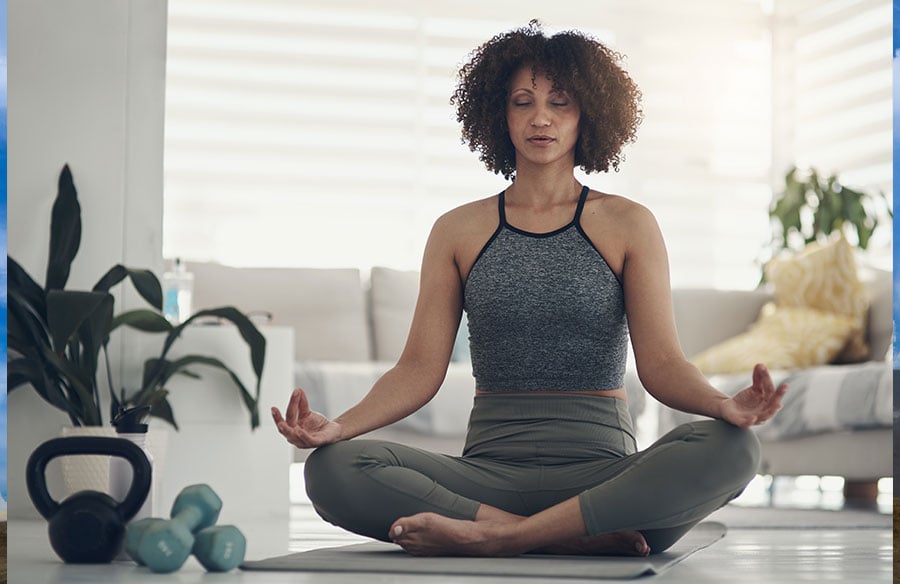
In recent years, the idea of wellness has evolved far beyond diet trends and fitness routines. More people are beginning to recognize that true well-being involves balance—physically, mentally, and emotionally. Instead of focusing solely on appearance or productivity, individuals are now prioritizing sustainable habits that improve overall quality of life.
This shift toward a balanced wellness lifestyle is not just a passing trend. It reflects a broader cultural movement toward healthier living, stress management, and long-term self-care. As modern life becomes increasingly fast-paced and demanding, people are searching for ways to create stability, maintain energy, and feel better on a daily basis.
The Growing Need for Balance
Modern lifestyles often involve constant pressure. Work demands, digital distractions, financial stress, and busy schedules can leave people feeling overwhelmed and exhausted.
For many, the traditional “always busy” mindset is no longer appealing. Instead of chasing nonstop productivity, people are starting to value balance and sustainability. They want routines that support both success and well-being without leading to burnout.
A balanced wellness lifestyle offers exactly that. It encourages healthier habits while still allowing flexibility and enjoyment, making it easier to maintain over the long term.
Wellness Is No Longer Just About Physical Health
In the past, wellness was often associated mainly with exercise and nutrition. While those remain important, the modern definition has expanded significantly.
Today, wellness includes mental clarity, emotional health, stress management, sleep quality, and mindfulness. People are beginning to understand that health is interconnected—when one area suffers, others are often affected as well.
This broader perspective has encouraged more individuals to adopt holistic approaches to well-being. Platforms and resources focused on natural wellness, such as greenheal net, reflect the increasing interest in creating healthier lifestyles that support the mind and body together rather than treating them separately.
Burnout Has Changed Priorities
One of the biggest reasons people are embracing balanced wellness is the rise of burnout. Constant work pressure and digital connectivity have made it difficult for many individuals to disconnect and recharge.
As a result, more people are realizing that pushing themselves to exhaustion is not sustainable. They are prioritizing rest, recovery, and mental well-being in ways that previous generations often overlooked.
This doesn’t mean abandoning ambition—it means approaching life in a healthier and more sustainable way.
People Want Sustainable Habits, Not Quick Fixes
Another major shift is the growing rejection of extreme health trends and short-term solutions. Crash diets, unrealistic fitness routines, and rigid self-improvement systems often fail because they are difficult to maintain.
Balanced wellness focuses on consistency rather than perfection. Instead of pursuing intense but temporary changes, people are choosing habits they can realistically sustain over time.
Simple practices like regular movement, healthier eating, mindfulness, and better sleep are becoming more popular because they support long-term well-being without creating unnecessary stress.
Mental Health Awareness Is Increasing
Conversations about mental health have become far more open and accepted in recent years. More people are acknowledging the importance of emotional well-being and actively seeking ways to manage stress and anxiety.
Balanced wellness lifestyles often include practices such as meditation, journaling, therapy, or spending time outdoors. These habits help people maintain emotional stability while improving focus and resilience.
As awareness continues to grow, self-care is increasingly viewed as an essential part of overall health rather than something optional.
Technology Has Made Wellness More Accessible
Digital platforms have also played a major role in the rise of balanced wellness. People now have easy access to health information, fitness programs, mindfulness apps, and wellness communities.
This accessibility allows individuals to explore different approaches and build routines that fit their personal needs. Instead of relying solely on traditional systems, people can customize their wellness journeys based on their goals and lifestyles.
Online communities also provide encouragement and support, making healthy living feel more achievable and less isolating.
The Desire for Better Work-Life Integration
The way people think about work has changed significantly. Many individuals no longer want their careers to come at the expense of their health or personal lives.
Balanced wellness lifestyles encourage setting boundaries, managing stress, and making time for rest and relationships. This approach helps create a healthier integration between professional responsibilities and personal well-being.
As remote work and flexible schedules become more common, more people are intentionally designing routines that prioritize both productivity and quality of life.
Preventive Wellness Is Becoming More Popular
Another reason for the shift toward balanced wellness is the growing focus on prevention. Instead of waiting until health issues arise, many people are taking proactive steps to maintain their well-being.
Preventive wellness includes healthy eating, regular movement, stress reduction, and adequate sleep. These habits help reduce the likelihood of long-term physical and mental health problems while improving day-to-day energy and mood.
This proactive mindset reflects a broader understanding that health should be maintained consistently, not only addressed during times of illness or stress.
Relationships and Community Matter More
Wellness is not only personal—it is also social. More people are realizing that strong relationships and supportive communities play a major role in overall happiness and health.
Balanced lifestyles often involve spending more intentional time with family, friends, and supportive networks. Social connection helps reduce stress, improve mental health, and create a greater sense of belonging.
In an increasingly digital world, many individuals are placing greater value on meaningful human connection as part of their wellness journey.
A More Realistic Definition of Success
Perhaps the biggest reason people are choosing balanced wellness is the changing definition of success itself. Achievement is no longer measured solely by income, status, or productivity.
More individuals are recognizing that true success includes health, fulfillment, peace of mind, and the ability to enjoy life. A balanced lifestyle supports these goals by encouraging sustainable habits rather than constant pressure.
This shift represents a more realistic and healthier approach to modern living.
In the end, more people are choosing a balanced wellness lifestyle because they want a healthier, more sustainable way to live. As awareness around mental health, burnout, and holistic well-being continues to grow, individuals are moving away from extremes and focusing instead on balance, consistency, and long-term wellness. By prioritizing both physical and emotional health, people are creating lifestyles that support not only success, but also happiness and fulfillment.