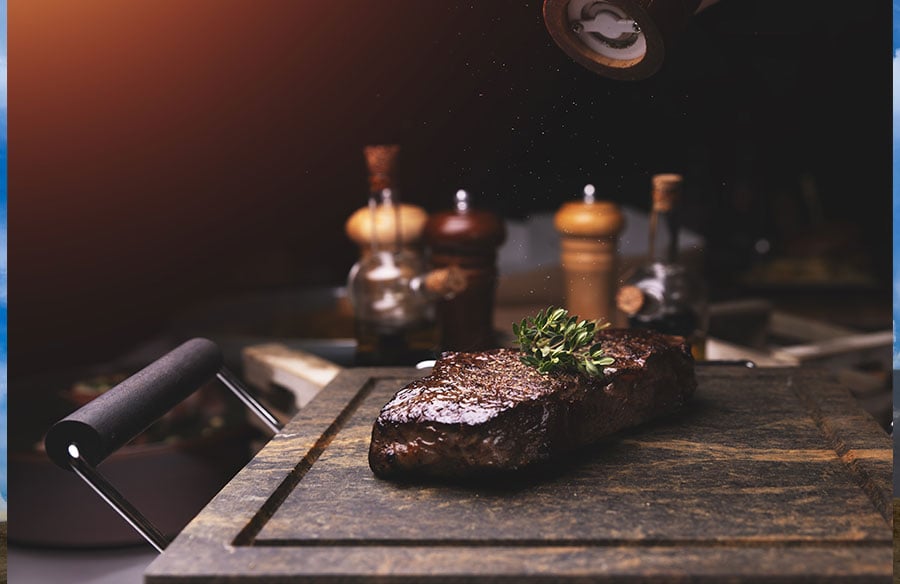
The American steakhouse began as a practical place to eat beef, then grew into a lasting dining ritual shaped by trade, migration, and urban life. Its history follows cattle trails, rail expansion, cold storage, and rising consumer wealth. Few restaurant forms reflect national habits so clearly. A steakhouse does more than serve supper. It frames celebration, seals business, and gives families a setting where service, portion, and atmosphere carry meaning.
Early Roots of the Steakhouse
Long before the modern steakhouse took shape, taverns, oyster cellars, and chophouses taught diners to expect beef served with purpose and little fuss. Those rooms prized filling cuts, direct carving, and hearty side dishes that satisfied working people after long days. That heritage still informs searches such as a steakhouse in Greensboro, NC, because many guests want a room with ritual, confidence, and familiar pacing, rather than novelty built for brief attention.
A New York Turning Point
A major shift arrived in 1837, when Delmonico’s in New York gave beef a polished public stage. The house helped make the Delmonico steak famous and showed that a beef-centered meal could carry prestige. Printed menus, trained servers, and carefully paced courses changed expectations. Steak no longer functioned as basic fuel alone. It gained social weight, becoming a dish linked with ceremony, expense, and urban sophistication.
Rails, Refrigeration, and Reach
Nineteenth-century expansion across the Plains increased cattle supply, while railroads moved dressed beef into dense eastern markets. Refrigerated cars solved a basic storage problem and widened the distance between ranch and table. That change mattered deeply. A steakhouse needs dependable cuts, controlled aging, and safe holding conditions. Once shipping improved, operators in many cities could offer similar standards, turning a local pattern into a repeatable national model.
Gilded Age Appetite
By the late nineteenth century, the steakhouse had become tied to money, politics, and theatrical city life. Dining rooms often used dark wood, mirrors, leather banquettes, and low light to project gravity. Generous portions carried symbolic force because abundance signaled success. A large porterhouse sent a message before the first bite. Owners learned that staging, timing, and room design could make the meal feel larger than the plate itself.
Postwar Expansion
After World War II, suburban growth and rising business travel widened the audience for steakhouse dining. What had once clustered in downtown districts and private clubs began reaching highway corridors, hotels, and new commercial centers. Chain operators later strengthened that spread with consistent menus and polished service. Beef remained central in the national diet. In 2021, USDA figures showed 56.2 pounds available per person, a useful marker of lasting demand.
The Classic Formula
Over time, the steakhouse developed a format that most diners could recognize on sight. A guest expected a prime cut, a potato, creamed greens, a crisp salad, and a serious red wine list. That arrangement did more than satisfy appetite. It built order into the meal. Beef held a center position, while sides added contrast in temperature, texture, and richness, giving the table a balanced, almost ceremonial structure.
Why the Ritual Lasts
The tradition persists because the steakhouse offers clarity at every step. Menus are legible, portions feel substantial, and service follows a script that rarely confuses the guest. That predictability creates ease. Diners understand how to order, when courses will arrive, and what tone the room expects. At the same time, chefs can update details through dry aging, local sourcing, seafood towers, or broader cellars without disturbing the basic form.
A Living American Form
The steakhouse remains one of the clearest expressions of American dining memory. It carries traces of cattle culture, city ambition, postwar prosperity, and modern hospitality into one shared room. That long record explains its durability. People return for flavor, yet ceremony matters just as much. A well-run steakhouse still gives diners a familiar setting for gathering, marking milestones, and turning an ordinary meal into an occasion with emotional weight.