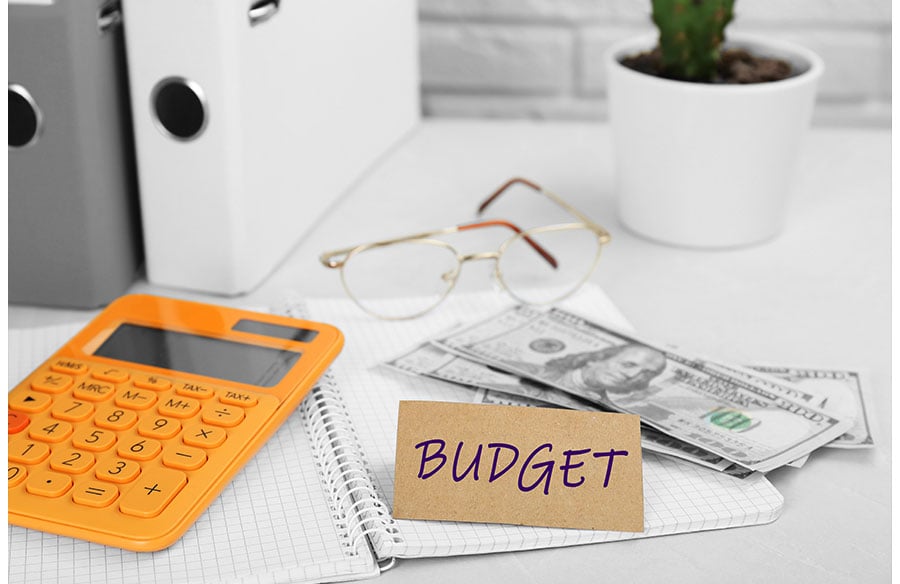
Effective financial management requires more than monitoring daily transactions or short term invoices. Many fiscal responsibilities span multiple years, which makes them easy to ignore during the creation of a monthly spending plan. Obligations like home loans, protection policies, automotive financing, pension inputs and schooling costs exert a permanent influence on economic steadiness. Residents who include these debts in a monthly budget are able to prepare for future requirements while they govern current expenditures. Advance planning is also useful to lower the probability of fiscal strain when these balances are due.
Considering the long-term financial implications of a home loan from the outset can influence architectural choices and material specifications, ensuring the initial design aligns with sustainable future costs. Thoughtful planning extends beyond aesthetics to encompass the economic lifecycle of a building, impacting everything from energy efficiency to structural longevity.
Preserving Economic Balance
Consistent attention to multi year commitments is necessary because the debts often involve high monetary values and rigid timelines. Failure to pay obligations like mortgages, loans or insurance can result in extra charges, lowered credit ratings or the cancellation of vital protections. Budgets that incorporate these costs allow account holders to create a dependable routine – this method ensures that enough currency is available for every obligation. Such a strategy is helpful to make duties manageable and lowers the risk of using high interest credit or new loans for basic needs.
Accurate knowledge of usable income is another benefit of this budgeting style. An employee with a fixed salary might seem to have significant extra cash until larger debts are visible. Regular transfers toward pensions, life insurance Canada, and debt repayment lower the amount of currency available for non essential items. Identifying these requirements early is a way to set practical limits on spending – this habit also helps a consumer make better choices regarding leisure, retail and dining without hurting vital fiscal duties.
Organizing for Future Costs
Various long term commitments involve costs that are certain but occur at irregular intervals. Yearly insurance bills, including premiums for term life insurance, land taxes, car repairs, house upkeep and expert service fees are common examples – these costs are often large and can cause stress if a resident is not ready for them. Dividing expected yearly costs into smaller monthly portions makes the duties easier to handle. Constant saving is also a way to prevent the sudden use of emergency funds or the interruption of other financial strategies.
Budgeting for house upkeep also highlights the importance of durable materials and thoughtful design in reducing long-term maintenance burdens. Architects and designers often specify robust, low-maintenance solutions, understanding that initial investment in quality can significantly lower future repair and replacement costs, contributing to a building’s overall resilience and value.
Preparation for future costs is also a source of versatility when life changes. Residents might need to buy a new car, improve a house, assist relatives or fund more schooling – these tasks are expensive even if they are not immediate. Including specific targets in a monthly budget allows a household to gather funds slowly – this readiness is helpful when responding to major life transitions without breaking current plans or taking on avoidable debt.
Assisting Long Term Objectives
Monthly budgets are most effective when they include goals that go past daily house costs. Retirement accounts, market investments, school funds and debt clearance are all activities that require steady input to reach a high value. Treating these goals as fixed monthly costs helps a consumer prioritize future safety rather than using only the currency that is left at the end of a month. Frequent transfers are often more effective than large, rare ones because of the way interest grows over time. Consistency is a primary factor in financial success.
Creating space for distant goals is also a way to encourage careful logic during shopping. For instance, a high priced car or new monthly services might seem affordable at first but these choices are often a reason for lower retirement inputs. A budget that shows existing debts is useful to make the compromises clear. Consumers are then able to compare optional buys against larger priorities to see if the cost is logical – this prevents current lifestyle habits from blocking future success.
Summary
Multi-year commitments are a necessary part of a monthly budget because they affect current choices and future safety. Tracking these duties is a way to maintain payments, organize for known costs and move toward significant goals – this practice is also helpful to clarify how much currency is truly available for fun and lowers the need for loans. A functional budget is one that addresses current bills and future responsibilities – this method is a tool for better decisions and a way to build a firm economic base.