Quick Takeaways
- Water damage can spread throughout a property within hours.
- Fast water mitigation helps prevent structural damage and mold growth.
- Delaying cleanup often leads to higher repair costs.
- Professional equipment removes moisture hidden behind walls and under flooring.
- Nashville homeowners should act immediately after discovering water damage.
Understanding Water Mitigation
Water damage is one of the most common and costly problems homeowners face. Whether it comes from a burst pipe, storm intrusion, overflowing appliance, or plumbing failure, water can quickly damage floors, walls, insulation, and personal belongings.
What Water Mitigation Means
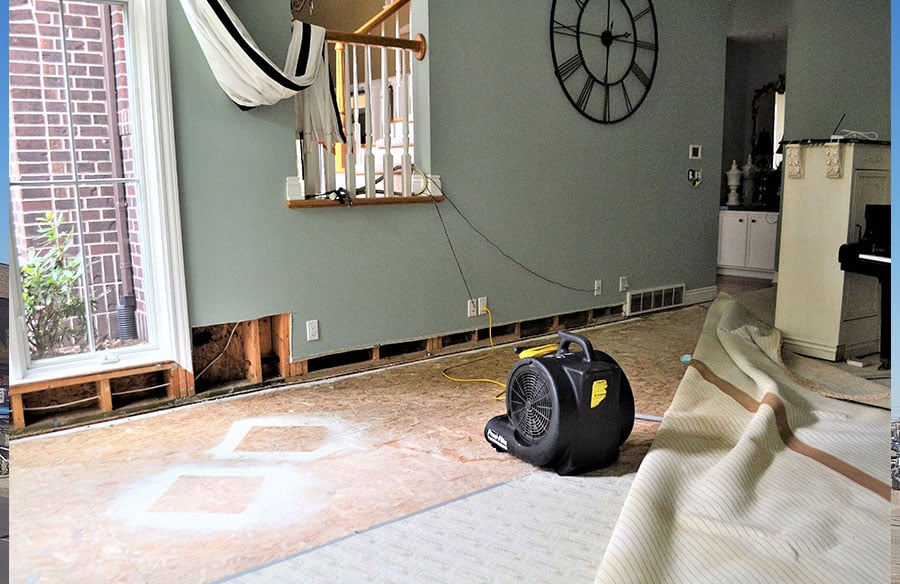
Water mitigation is the process of reducing and preventing further damage after a water-related incident. It involves removing standing water, drying affected materials, monitoring moisture levels, and preventing secondary issues such as mold growth.
Professional CAMCO Water Mitigation services help Nashville homeowners stop damage before it becomes a much larger and more expensive problem.
How It Differs from Restoration
Mitigation focuses on stopping the damage. Restoration focuses on repairing and rebuilding what was affected.
For example:
| Water Mitigation | Water Restoration |
| Water extraction | Drywall replacement |
| Structural drying | Flooring installation |
| Moisture monitoring | Painting and finishing |
| Mold prevention | Reconstruction |
Mitigation is the first and most critical step.
Why Every Hour Matters After Water Damage
Water Spreads Faster Than Most Homeowners Realize
Many homeowners underestimate how quickly water can move through a property. Water naturally follows the path of least resistance, traveling through flooring, insulation, drywall, and framing materials.
Within a short period, moisture can reach areas that are not visible from the surface.
According to the Institute of Inspection Cleaning and Restoration Certification (IICRC), immediate drying and mitigation significantly reduce the extent of damage and improve recovery outcomes.
Structural Damage Can Begin Within Hours
Wood absorbs moisture rapidly. Drywall weakens when saturated. Flooring materials can warp and buckle if left wet.
Common structural issues caused by delayed mitigation include:
- Warped hardwood flooring
- Damaged drywall
- Ceiling deterioration
- Subfloor weakening
- Structural framing damage
The longer water remains in the home, the greater the risk of extensive repairs.
Mold Growth Can Start Quickly
Nashville’s humid climate creates ideal conditions for mold development.
The United States Environmental Protection Agency (EPA) Mold Resources notes that mold can begin developing within 24 to 48 hours under the right conditions.
Once mold becomes established, remediation becomes significantly more expensive than preventive mitigation.
Common Causes of Water Damage in Nashville Homes
Burst Pipes
Winter freezes and aging plumbing systems frequently lead to burst pipes throughout Middle Tennessee.
Even a small pipe leak can release hundreds of gallons of water before homeowners discover the issue.
Severe Storms
Heavy rainfall and severe storms often contribute to water intrusion through roofs, windows, foundations, and crawl spaces.
Many Nashville homeowners experience water damage during spring and summer storm seasons.
Appliance Failures
Common household appliances responsible for water damage include:
- Washing machines
- Dishwashers
- Water heaters
- Refrigerators
- Ice makers
Small leaks often go unnoticed until significant damage occurs.
HVAC Drainage Issues
Clogged condensate lines and HVAC drainage failures are often overlooked causes of water damage.
Homeowners can learn more about water damage caused by HVAC drainage problems and why early intervention is important before moisture spreads throughout the property.
The Benefits of Fast Water Mitigation
Reduces Repair Costs
One of the biggest benefits of immediate mitigation is cost savings.
When water is removed quickly:
- Fewer building materials require replacement
- Mold prevention costs decrease
- Restoration timelines shorten
- Insurance claims are often simpler
Acting quickly can save homeowners thousands of dollars.
Protects Indoor Air Quality
Moisture creates conditions for mold, bacteria, and unpleasant odors.
Professional drying helps maintain healthier indoor air and reduces long-term health risks associated with mold exposure.
Preserves Structural Integrity
Fast mitigation protects:
- Framing
- Flooring systems
- Insulation
- Drywall
- Foundations
The sooner drying begins, the greater the likelihood materials can be saved rather than replaced.
Supports Insurance Claims
Professional mitigation companies document:
- Moisture readings
- Photographs
- Damage assessments
- Drying reports
These records help support insurance claims and demonstrate that homeowners took immediate action to minimize losses.
What Happens During Professional Water Mitigation
A professional mitigation process generally includes:
- Emergency response
- Damage inspection
- Moisture mapping
- Water extraction
- Structural drying
- Dehumidification
- Moisture monitoring
- Final clearance testing
Modern moisture detection equipment allows technicians to identify hidden moisture that homeowners cannot see.
Water Damage Timeline
Understanding how quickly water damage progresses highlights the importance of immediate action.
| Time After Water Damage | Potential Impact |
| First 24 Hours | Water spreads, materials absorb moisture |
| 24-48 Hours | Drywall swelling, flooring damage begins |
| 48-72 Hours | Mold growth becomes possible |
| 3-7 Days | Significant structural deterioration |
| 1 Week+ | Extensive repairs and remediation required |
The restoration timeline depends on several factors, including the severity of the water damage, the amount of water involved, the materials affected, and how quickly mitigation begins. While minor incidents may be resolved within a few days, more extensive damage can take longer to dry, repair, and restore. Understanding the process can help homeowners set realistic expectations and make informed decisions after a water emergency.
When to Call a Water Mitigation Company
You should contact a professional immediately if you notice:
- Standing water
- Wet carpets
- Water stains
- Ceiling leaks
- Musty odors
- Soft drywall
- Flooding after storms
- Burst pipe damage
Even if the visible water appears minor, hidden moisture may already be spreading throughout the structure.
Why Nashville Homeowners Trust Professional Mitigation
Water damage recovery requires more than fans and household dehumidifiers.
Professional mitigation companies use:
- Industrial extraction equipment
- Commercial dehumidifiers
- Moisture mapping technology
- Thermal imaging cameras
- Drying verification procedures
These tools ensure the property is dried properly and reduce the likelihood of future issues.
For Nashville homeowners facing water damage, professional CAMCO Water Mitigation services provide rapid response, thorough drying, and a clear path toward restoring the property.
Conclusion
Water damage does not wait, and neither should homeowners.
The first 24 to 48 hours after a water intrusion event often determine how severe the damage becomes. Fast mitigation helps reduce repair costs, protect structural materials, prevent mold growth, and support insurance claims.
If you discover water damage in your Nashville home, immediate action can make the difference between a manageable repair and a major restoration project. Working with an experienced water mitigation company ensures your property is properly dried, documented, and protected from further damage.
Frequently Asked Questions
How quickly should water mitigation begin after water damage?
Water mitigation should begin as soon as possible, ideally within the first 24 hours after water damage occurs.
Can I handle water mitigation myself?
Minor spills can often be managed independently, but significant water damage usually requires professional equipment to remove hidden moisture and prevent mold growth.
Does homeowners insurance cover water mitigation?
Many insurance policies cover sudden and accidental water damage. Coverage varies, so homeowners should review their policy details.
How long does water mitigation take?
Most mitigation projects take several days, depending on the extent of the damage and drying requirements.
What is the difference between water mitigation and water restoration?
Water mitigation focuses on preventing further damage, while restoration involves repairing and rebuilding damaged areas after drying is complete.