Mansfield sits in the middle of one of the most active hail regions in the United States, and every homeowner in the city carries the consequences whether they think about roofing or not. The Dallas Fort Worth area absorbs damaging hail on an almost annual schedule, insurance premiums across North Texas have climbed steadily as carriers price that reality, and the standard composition shingle, a product engineered for average American weather, meets hail here that routinely exceeds what it was built to survive. The roofing industry’s answer to this specific problem is the impact resistant shingle, rated on a standardized scale that tops out at class 4, and the question every Mansfield homeowner faces at replacement time is whether the class 4 upgrade is worth its price. The short answer is that for most homes in this hail corridor, run with real numbers, it is, and often decisively; the upgrade cost is a modest slice of a replacement, the insurance discounts compound every year, and every hailstorm the roof survives intact is a deductible not paid, a claim not filed, and weeks of restoration process not endured. The longer answer, with the testing, the product realities, the fine print, and the situations where the upgrade does not pencil, is what follows.
The subject rewards a full treatment because the class 4 decision is usually made badly in one of two directions. Some homeowners default to standard shingles on price without ever seeing the amortized comparison, buying the cheapest roof and the most expensive decade; others buy the upgrade on a sales pitch without understanding what the rating actually promises, then feel misled when a giant stone dents a vent or a carrier’s endorsement changes what a claim pays. The informed decision requires three layers. First, what the rating actually is: the test behind it, the engineering that passes the test, and the real products carrying the rating in this market. Second, the financial case: how Texas insurance treats impact resistant roofs, what the deductible and claim avoidance math looks like across a roof’s life, and the policy fine print, including cosmetic damage endorsements, that belongs in the calculation. Third, the execution: when the upgrade makes the most sense, how it works inside an insurance funded replacement, and the installation and paperwork details that determine whether the household actually collects the value it paid for. Taken in order, the three layers turn a brochure claim into a decision a homeowner can defend.
What Class 4 Impact Resistant Shingles Are and How They Are Tested
The rating is worth understanding before the money, because everything in the financial case rests on what the class 4 designation actually certifies. It is not a marketing tier; it is a laboratory result from a standardized impact test, and the engineering that earns it is specific and visible in how the products are built. Any competent roofer Mansfield homeowners consult about the upgrade should be able to explain the test, the construction, and the real product options without reaching for a brochure, because those three facts are the foundation of every honest recommendation. The sections below cover them in order: the test itself and what passing it means, the material science that separates impact rated shingles from standard ones, and the product landscape from the major manufacturers serving North Texas.
The UL 2218 Steel Ball Test and What a Class 4 Rating Actually Means
The rating comes from UL 2218, the impact resistance standard the insurance and roofing industries adopted after the catastrophic hail losses of the 1990s made a common measuring stick necessary. The test is refreshingly physical: steel balls of increasing size are dropped from heights calibrated to reproduce the impact energy of falling hailstones, and the shingle passes a class only if its mat, the structural layer, shows no cracking, splitting, or rupture when examined from the back afterward. The classes step up with ball size, and class 4, the highest, requires the shingle to survive a two inch steel ball dropped from twenty feet, twice in the same location, without the mat fracturing. Two details in the protocol matter for reading the rating honestly. The pass criterion is structural, meaning the mat stays intact, not cosmetic, so surface marking can occur on a passing shingle; and the steel ball is a standardized proxy, harder than natural hail of the same size, which makes the test conservative in that respect, while real storms add variables, including wind driven impact angles and stone density, that no laboratory fully reproduces.
What the rating means in a real storm follows from the physics of how shingles fail. Hail damages a composition shingle by fracturing its mat and crushing the granule layer into it, creating the bruise that opens with thermal cycling into the leak paths and granule loss that total roofs; the damage that matters is the fracture, and the fracture is exactly what the class 4 test screens against. In the hail sizes this region most commonly produces, roughly quarter to golf ball range, the practical difference is stark, with standard shingles bruising and fracturing at sizes that certified class 4 products routinely shrug off, which is why post storm inspections in mixed neighborhoods so often show claim level damage on one roof and cosmetic scuffing on the impact rated one next door. The honest boundary belongs in the same paragraph: class 4 is not hail proof, and the tennis ball and baseball stones that headline the worst storms will damage any shingle made, along with vents, gutters, and skylights regardless of the roof. What the rating buys is survival across the broad middle of the hail distribution, which is where most storms, most damage, and most claims actually live.
The rating’s credibility also comes from who relies on it, which is worth knowing because it answers the is this real question directly. Insurance carriers built their impact resistant roof discount programs on UL 2218 classes, and Texas specifically has long required insurers to make premium discounts available for qualifying hail resistant roofing, which institutionalized the rating in this market decades ago. Building science organizations funded by the insurance industry have pushed the testing further, developing enhanced protocols that fire actual manufactured hailstones and publishing performance ratings that go beyond the steel ball, and the better class 4 products are increasingly evaluated under those regimes too. None of this machinery exists for a marketing label. The practical takeaway for a homeowner is that the class 4 designation is verifiable, product specific, and documented, with each rated shingle carrying its certification, and that the verification matters later, since the insurance discount process runs on proof of the specific product installed.
How Polymer Modified Asphalt Makes Shingles Survive Hail Impacts
The engineering that passes the test is concentrated in the asphalt itself, and the key phrase is polymer modification. Standard shingle asphalt is stiff by nature and gets stiffer with age and Texas heat, which is why older roofs fracture under impacts that new ones absorb; impact rated products blend the asphalt with rubberizing polymers, most notably SBS, styrene butadiene styrene, the same modifier used in commercial modified bitumen roofing, producing a material that stays flexible and elastic. The flexible mat responds to a hailstone the way a rubber mat responds to a dropped ball, deforming and rebounding rather than cracking, and it retains meaningfully more of that flexibility as it ages, which addresses the exact mechanism that makes older standard roofs so vulnerable. Manufacturers pair the modified asphalt with construction upgrades, including heavier and sometimes reinforced mats, enhanced granule adhesion, and wider or reinforced nailing zones that improve wind performance as a side benefit. The result is a shingle that is measurably tougher in every handling sense, and installers notice it, since the products resist the cracking and blow through that brittle standard shingles show during installation itself.
There is a second construction approach worth knowing because it appears in the market alongside the polymer route. Some class 4 products earn the rating primarily through reinforcement, embedding a polyester or fabric mesh in the shingle so that impacts may crack the asphalt but the mat holds together, which passes the structural test by a different mechanism. The distinction has practical texture: rubberized SBS products tend toward the absorb and rebound behavior and often weather with better granule retention, while reinforced products tolerate impacts by containing damage, and both legitimately carry the rating. For a homeowner, the finer distinction matters less than two practical rules that follow from it. First, the rating belongs to a specific product, not a brand or a look, so the exact shingle line on the contract is what carries the certification. Second, within the class 4 universe, the manufacturer’s overall quality tier still matters, since the rating certifies impact behavior, not everything else a shingle does across thirty years, which is why the sensible shopping pattern is choosing among the class 4 lines of the major manufacturers rather than treating the rating as the only variable.
The aging dimension deserves emphasis because it is where the class 4 advantage actually widens over time. Standard asphalt loses flexibility every year under Texas heat, which is why a ten year old conventional roof fractures under hail its younger self would have survived; the storm risk of a standard roof therefore rises through its life, peaking exactly when the roof is oldest and least claimable at full value. Polymer modified products age on a flatter curve, retaining meaningfully more elasticity into their second decade, so the protection purchased at installation is still substantially present when the roof is fifteen and the spring sky turns green. A rating earned on a brand new test panel matters most because of what it implies about year twelve, and the modified asphalt chemistry is what carries the promise that far.
Class 4 Shingle Options From IKO and Owens Corning for North Texas Homes
The product landscape in this market runs through the major manufacturers, and the class 4 options are established lines rather than exotic specialty orders. IKO’s impact rated architectural products, including its Nordic line, and Owens Corning’s class 4 offerings, including the Duration FLEX and Duration STORM lines, are representative of what North Texas homeowners are actually quoted, all of them dimensional shingles carrying UL 2218 class 4 certification and available through the manufacturers’ credentialed contractor networks. Other national manufacturers field their own rated lines, and the market refreshes product names periodically, which is why the durable shopping method is not memorizing model names but confirming two things on any quote: that the named line carries a current class 4 certification, and that the installer holds the manufacturer credentials that unlock the strongest warranty tier on it.
Verification is easy and worth the five minutes, because the marketing vocabulary around toughness is looser than the certification behind it. Phrases like impact resistant, storm rated, and hail tough appear on products across the rating spectrum, and only the specific UL 2218 class matters for both performance and the insurance discount; class 3 products exist, are genuinely tougher than standard shingles, and do not earn the top discount tier. The check is documentary: the manufacturer’s specification sheet for the exact line states its rating, the contractor should name the line exactly on the written quote, and the certification form the insurer will eventually require is product specific. A homeowner who asks one question, which UL 2218 class does this exact shingle carry and where is that documented, has separated the certified products from the adjectives.
The appearance question answers itself better than most homeowners expect, and it removes the last common objection. Class 4 architectural shingles come in the same dimensional profiles, the same shadow lines, and substantially the same color palettes as their standard counterparts, and from the curb the upgrade is invisible; the difference lives in the mat and the asphalt chemistry, not the face. Weight and thickness run somewhat higher, which roofers feel and homeowners do not, and the products install with conventional methods on conventional decks, requiring no structural changes, no special ventilation, and no exotic skills beyond the ordinary competence a quality installation demands anyway. Warranties on the class 4 lines typically sit at the top of each manufacturer’s range, with limited lifetime terms and the strongest wind coverage, and the enhanced system warranty tiers, available through manufacturer credentialed contractors, apply to these products the same as any other. The net of the whole first layer is clean: the rating is real and rigorous, the engineering behind it is genuine material science rather than branding, and the products deliver it in shingles that look, install, and warrant like the best conventional roofs. What remains is whether the numbers work, which is the second layer.
The Financial Case for Class 4 Shingles in a Texas Hail Corridor
The financial case is where the class 4 decision is actually made, and in Texas the case has more moving parts working in the homeowner’s favor than in almost any other state. The premium discount structure is real and institutionalized, the deductible environment has made avoided claims genuinely valuable, and the fine print, while it deserves careful reading, is navigable with a little preparation. A knowledgeable roofer Mansfield residents bring into the replacement conversation should be able to frame this math with local specifics, and the homeowner’s insurance agent supplies the personalized numbers that finish it. The sections below build the case in three steps: the discount side, the avoided claim side, and the policy fine print that belongs in the calculation before the contract is signed.
Homeowners Insurance Discounts for Impact Resistant Roofs in Texas
The discount side starts with a piece of Texas context most homeowners have never heard: state law has long required insurers writing residential property coverage to offer premium discounts for qualifying impact resistant roofing, a legacy of the 1990s hail catastrophes that made North Texas a national case study in roof losses. Carriers implement the requirement through filed discount schedules tied to UL 2218 classes, with class 4 earning the top tier, and the discounts apply against the wind and hail portion of the premium, which in this region is a large share of the total. The magnitudes vary by carrier and policy, which is why generic percentages mislead, but the honest characterization is that class 4 discounts in Texas are commonly substantial, frequently landing in the range that makes a visible difference on an annual premium that, for many area homes, now runs several thousand dollars. The discount also recurs, applying every year the roof serves, which is the feature that transforms it from a rebate into an income stream: a discount collected annually across a twenty five or thirty year roof life is a multiple of itself, and it compounds against premiums that have been rising, since a percentage of a growing number grows with it.
Turning the discount from a concept into a number takes one phone call, and the call belongs inside the replacement decision rather than after it. The homeowner’s agent or carrier can quote the exact discount for a certified class 4 installation on the actual policy, and the quote should be requested in writing alongside two related questions covered later, the cosmetic endorsement question and the documentation requirement. With the real discount in hand, the upgrade math becomes arithmetic: the class 4 upcharge on a typical replacement is a defined number, commonly a moderate percentage of the project rather than a multiplier, because the shingle is only one line in a project dominated by labor, tear off, underlayment, and components that cost the same regardless; the annual discount divided into that upcharge yields a payback period, and for many area homes the discount alone retires the upcharge within a fraction of the roof’s life, after which the discount is simply savings. Households comparing carriers gain a second lever, since a new certified class 4 roof is exactly the risk profile insurers compete for, and quotes gathered at replacement time with the new roof’s documentation frequently beat the incumbent renewal priced against the old roof. The discount is the dependable half of the financial case; the avoided claim is the larger half.
The discount also functions as a hedge against the direction the Texas insurance market has been moving. Premiums across the region have climbed for years as carriers absorb storm losses and construction cost inflation, and every renewal letter makes the wind and hail share of the bill larger; a percentage discount anchored to that share grows in dollar terms as the premium grows, which means the class 4 roof’s annual return has been rising on its own. The discount does require light stewardship, since it is worth confirming on each renewal that it remains applied, and re presenting the certification whenever the household changes carriers. Ten minutes a year protects a recurring credit that, across a roof’s life in this market, adds up to a number most homeowners would not knowingly leave on the table.
Hail Deductibles, Avoided Claims, and the Payback Math on the Upgrade
The avoided claim side of the math runs on the deductible environment Texas has built over the past decade. Wind and hail deductibles on area policies now commonly run as a percentage of dwelling coverage, often 1 or 2 percent, which converts to real money: a home insured for 400,000 dollars carries a 4,000 to 8,000 dollar hail deductible, due from the homeowner in every claim, and dwelling coverage amounts have risen with construction costs, pulling deductibles up with them. Every hailstorm a class 4 roof survives that would have totaled a standard roof is that deductible not spent, and in a region that delivers claim worthy hail to any given neighborhood on a cadence measured in years rather than decades, a roof serving twenty five years has multiple realistic opportunities to return that value. The claim history dimension stacks on top, since carriers price prior claims into renewals, and the household whose roof does not file is the household whose premium history stays clean. Run conservatively, one avoided claim across the roof’s life returns the entire upcharge by itself; run realistically for this corridor, the avoided claim value plus the recurring discount makes the class 4 roof one of the few home upgrades with a defensible claim to paying for itself, which is a sentence worth being suspicious of everywhere else it appears.
The unpriced benefits deserve a paragraph because households consistently report them as larger than expected. A claim is not just a deductible; it is a process, including the documentation, the adjuster meeting, the scope negotiation, the contractor scheduling in a post storm market where every roofer in the metroplex is booked, the two check payment choreography, and weeks of the household’s attention, all of it compressed into the aftermath of a storm that may have damaged the fence, the gutters, and the neighbors’ patience simultaneously. The roof that does not need the claim skips the entire experience. Continuity extends beyond convenience, since the intact roof also never spends a season with bruised shingles quietly opening into leaks, never wears a tarp, and never adds an interior repair to the exterior one. There is a neighborhood scale version of the same point, visible after every major event, when the storm chaser wave canvasses the damaged streets; the class 4 household watches that circus rather than navigating it. None of this appears in the payback spreadsheet, and all of it is real.
A worked illustration makes the whole case concrete, with the caveat that every real decision should use the household’s actual numbers. Take a replacement quoted at 18,000 dollars, a class 4 upcharge of 1,500 to 2,500 dollars, a policy premium where the certified roof earns a few hundred dollars per year in discount, and a 2 percent hail deductible of 5,000 dollars on the dwelling coverage. The discount alone retires the upcharge in a handful of years and then runs as savings for two more decades; a single avoided claim returns the deductible, roughly double the entire upcharge, in one storm; and the two effects stack. Reasonable people can adjust every input, and the shape of the answer is robust across the plausible ranges for this corridor, which is precisely what makes class 4 the default recommendation here rather than a coin flip.
Cosmetic Damage Endorsements and Other Fine Print to Read First
The fine print begins with the cosmetic damage endorsement, the single most important clause to understand before choosing class 4, because it is directly connected to the upgrade. Some carriers, in exchange for the impact resistant discount or as a general policy term, apply an endorsement excluding coverage for cosmetic damage, meaning hail marking that does not compromise the roof’s water shedding function; the logic is that a class 4 roof survives functionally, so the carrier declines to pay for appearance. The practical scenario is a severe storm that dents metal components and scuffs shingles without fracturing them, where a claim for the marking alone would be excluded. The endorsement is not a scandal, and for many households the trade, a real discount against coverage for damage that is by definition functional only, is rational; it is, however, a term to accept knowingly rather than discover at claim time. The homeowner’s move is to ask the carrier directly, in the same written exchange as the discount quote, whether accepting the class 4 discount adds a cosmetic endorsement, what its exact language covers, and how the carrier distinguishes cosmetic from functional damage in practice, since the distinction is made by adjusters on roofs, not by definitions in brochures.
The remaining fine print items are quick to check and cheap to get right. The discount requires proof, typically a certification form or manufacturer documentation identifying the installed product and its class 4 rating, signed or supplied through the installing contractor, and the paperwork should be completed at installation rather than reconstructed years later. The rating applies to the specific product line installed, so the contract and invoice should name it exactly, and any product substitution during the project should be caught before it lands on the roof. Policy treatment of roofs generally deserves a read while the documents are open, including whether the roof is covered at replacement cost or actual cash value and whether any roof payment schedule applies, since those terms move claim outcomes more than the impact rating does. Households should also confirm the discount survives carrier changes, meaning the certification travels with the roof and can be presented to any future insurer, which it can when properly documented. None of these items argues against the upgrade; together they are the difference between buying the value and merely buying the shingle, and they take one conversation with the agent and one properly papered installation to secure.
The agent call that anchors this whole section works best as a short written checklist, sent by email so the answers arrive on the record. The questions: what is the exact premium discount for a certified UL 2218 class 4 installation on this policy; does accepting it add or require a cosmetic damage endorsement, and what is that endorsement’s language; what documentation is required and in what form; is the roof covered at replacement cost or actual cash value, and does any payment schedule apply; and does the discount transfer if the household changes carriers with the certification in hand. Five questions, one email, answers in writing. Every later stage of the decision, the upcharge comparison, the endorsement trade, the completion paperwork, runs on those answers, and gathering them before the contract is the difference between negotiating the upgrade and merely purchasing it.
When the Class 4 Upgrade Makes Sense and How to Get It Done Right
The third layer is execution, where the general case meets a specific house, and the honest version includes the situations where the upgrade is not the answer. Class 4 pays best under identifiable conditions, works inside insurance funded replacements in a specific and favorable way, and depends at the end on installation and paperwork details that decide whether the rating on the wrapper becomes value in the household’s file. The sections below finish the subject with those three practicalities: when the upgrade makes the most sense and when it does not, how the buy up works when a storm claim is funding the roof, and how to get the installation and certification done right the first time.
Roof Age, Holding Horizon, and Situations Where Class 4 Pays Off Most
The upgrade pencils best when a few conditions align, and most Mansfield replacements meet them. The roof should genuinely need replacing, since class 4 is an upgrade decision inside a replacement, not a reason to retire a healthy roof early; the economics run on the incremental upcharge, and they collapse if the whole project is premature. The holding horizon should be long enough to collect, with the discount and avoided claim value accruing across years, which makes the upgrade strongest for households planning to stay and still sensible for medium horizons, since a documented class 4 roof also reads as an asset at sale, transferring its discount eligibility and its remaining warranty to the buyer. The home’s insurance profile should reward it, which the agent call establishes, and the neighborhood context rarely obstructs it, since the products look conventional and HOA friction is minimal. The upgrade makes the most sense of all for the households that recognize themselves in the region’s pattern: previously through a hail claim, carrying a percentage deductible they can quote from memory, and planning to be under the same roof when the next storm season arrives, which describes a large share of the city.
The cases against deserve equal honesty, because a recommendation that fits everyone fits no one. A household selling within a couple of years captures little of the recurring value and may reasonably put the upcharge into more visible sale preparation, though the counterpoint, that buyers and their insurers increasingly notice roof ratings, has strengthened yearly. A tight budget replacement where the upcharge would be financed at unfavorable terms can rationally land on a quality standard architectural shingle, which remains a good roof; class 4 is the better bargain, not the only legitimate one. Properties whose structures carry the smallest deductibles and lowest premiums, and rare policies where the carrier’s discount is trivial while its cosmetic endorsement is aggressive, can shift the math, which is exactly why the agent call precedes the decision rather than following it. And no shingle upgrade substitutes for the fundamentals, since a class 4 product installed over poor ventilation or bad flashing details inherits every one of those problems; the rating protects against hail, not against shortcuts. The honest summary is that class 4 is the default answer for this corridor that specific situations can overrule, which is the opposite of how it is sometimes sold.
Timing folds into the fit question with one asymmetry worth stating. The upgrade can only be purchased at replacement, which means every replacement is a once in decades window, and a household that defaults to standard shingles this year is choosing its hail exposure until the 2040s; the reverse error, upgrading a roof that had years left, costs the remaining life of the old roof. The window logic argues for making the class 4 decision deliberately whenever a replacement is on the table for any reason, including age, distributed wear, or storm damage, and it argues against letting the decision be made by omission, by a bid that never offered the option or a homeowner who never asked. It also frames the free inspection habit usefully, since knowing the roof’s realistic remaining life is what converts the replacement from a surprise into a scheduled decision with time to run the numbers. The households that get the best economics are consistently the ones that saw the replacement coming a year away, rather than deciding in a post storm week with a tarp on the roof.
Upgrading to Class 4 During an Insurance Funded Roof Replacement
The insurance funded replacement is the most common and most favorable doorway to class 4 in this region, and the mechanics reward understanding. A hail claim pays to restore the roof with materials of like kind and quality, meaning the settlement funds a standard replacement for a standard roof; the class 4 upgrade rides on top as a buy up, with the homeowner paying only the difference between the approved shingle and the impact rated line, and the carrier’s money covering everything the projects share, which is most of the cost. The arithmetic is the best the upgrade ever gets, since the incremental price of class 4 inside a claim funded project is a fraction of its share in an out of pocket one, purchased at the exact moment the household has just experienced why it matters. The mechanics are routine for an experienced insurance restoration contractor, with the upgrade priced transparently as a line item against the approved scope, and the paperwork, including the deductible paid and documented as Texas law requires, the upgrade difference invoiced plainly, and the class 4 certification issued at completion, keeping the project clean with the carrier. Nothing about the buy up is a trick on the insurer; it is the homeowner spending personal money to exceed the restoration standard, which carriers themselves have every reason to welcome.
The claim context adds two strategic notes. First, the upgrade decision belongs early in the claim, ideally at the contractor’s first inspection, so the buy up can be priced alongside the scope rather than renegotiated after materials are ordered; the post storm weeks are compressed, and the class 4 conversation is easy to lose in them, which is one more argument for working with a contractor who raises it as standard practice. Second, the post claim moment is also the natural point to reset the insurance relationship, since the household is about to own a new, documented, impact rated roof, the exact profile carriers court, and quotes gathered with the class 4 certification in hand often improve on the incumbent renewal that was priced against the old roof and the fresh claim. A household that exits a hail claim with a class 4 roof, a completed certification, a clean file, and a re shopped policy has converted a bad storm into a materially better position than it held before the hail, which is about the best available outcome the region’s weather offers. The pattern repeats across the metroplex every storm season, and it is available to anyone who knows the sequence.
One boundary keeps the claim funded pathway honest: the buy up exists only when a legitimate claim has approved a replacement, and the class 4 preference cannot manufacture one. A storm that leaves repairable damage gets a repair, documented and done well, with the class 4 decision filed away for the replacement the roof’s age will eventually schedule; an inspection that finds no claimable damage gets an honest no, which established companies deliver as a matter of reputation. The Texas deductible statute applies to upgraded projects the same as any other, with the homeowner’s deductible paid and documented, and the upgrade difference invoiced transparently on top; any pitch that blends the buy up into deductible games identifies a contractor to avoid. Played straight, the sequence is clean and common: damage documented, claim approved, deductible paid, upgrade purchased at its best price, certification issued, and a better roof standing where the storm found a worse one.
Installation, Certification Paperwork, and Choosing a Qualified Roofer
Execution closes the subject, because the rating only delivers when the installation and paperwork do. Installation first: class 4 shingles install with conventional methods, but the quality fundamentals decide whether the impact rated field performs as a system, including correct nailing in the reinforced zones the products provide, complete flashing and detail work, since hail claims and leaks alike concentrate at penetrations no shingle rating protects, ventilation brought to specification, both for shingle life and for warranty validity, and the manufacturer’s system components, since the enhanced warranty tiers require them and the certified installer network is how they are accessed. Preferred contractor standing with the major manufacturers, including IKO and Owens Corning, is the credential that matters here twice, unlocking the strongest warranty tiers on the class 4 lines and marking installers the manufacturers themselves have vetted on exactly these products. Paperwork second: the completed project should hand the household a small file, the itemized contract and invoice naming the exact product line, the manufacturer warranty registration, the class 4 certification for the carrier, and completion photographs, which together convert the roof from a claim into evidence. The file takes the contractor minutes to produce and serves the household for decades, at every renewal, every carrier change, and the eventual sale.
The contractor choice is therefore the last variable and the controlling one, and the vetting for a class 4 project matches the general standard with two additions. The general standard holds: an established local company with a physical presence and years of area history, verifiable insurance, written itemized scopes, reviews that span seasons, and a labor warranty from a business that will exist to honor it, with a multi year term such as a four year labor warranty on replacement work as the local benchmark. The additions are product specific: manufacturer credentials on the class 4 lines being quoted, and demonstrated fluency in the insurance dimension, since the certification paperwork, the discount documentation, and the buy up mechanics inside claims are where inexperienced operators leak the upgrade’s value. A useful screening question does the work in one sentence, asking the bidder to walk through how the class 4 certification and insurance discount will be documented at completion; the contractor who answers specifically has done it before, and the one who improvises has not. The upgrade is a package of shingle, installation, and paperwork, and it is worth exactly what the weakest of the three delivers, which is why the decision that started with material science ends, as roofing decisions generally do, with who is on the roof.
Ownership after installation asks little and pays steadily. The certification goes to the carrier promptly so the discount starts with the next billing cycle, and the confirmation joins the file; the renewal gets a glance each year to verify the credit persists; and the file travels intact to any new carrier and eventually to the home’s buyer, for whom a transferable certification and warranty are genuine listing assets. The roof itself still earns the region’s standard care, since the rating covers the shingle field and not the vents, gutters, skylights, and flashing details that hail also visits, which keeps post storm inspections on the calendar even for the toughest roof on the street. Kept this way, the class 4 roof does what the whole decision intended: it turns hail season from an annual financial event into weather, for about as long as the household cares to stay under it.
Why KG Roofing & Renovations Is a Trusted Choice for Class 4 Shingles in Mansfield, TX
The class 4 question ultimately runs through one practical relationship, which is the contractor who inspects honestly, quotes the upgrade transparently, installs it to specification, and papers the value so the household collects it. Homeowners in Mansfield and the surrounding DFW communities have an established, veteran owned option whose credentials fit the project directly. The details below reflect the company’s stated background, offerings, and service area.
Preferred Contractor for IKO and Owens Corning Installing Impact Rated Roofs
KG Roofing and Renovations is a veteran owned, family operated roofing and renovation company based in Mansfield, Texas, serving homeowners and businesses across the Dallas Fort Worth metroplex since 2019. The company is a preferred contractor for IKO and Owens Corning, the credential that unlocks manufacturer backed system installations on impact rated shingle lines, and holds an A+ rating with the Better Business Bureau. Its published services cover the full class 4 pathway, including roof inspections, complete roof replacements, storm damage mitigation, insurance claim assistance, and roof repairs, alongside gutters, siding, windows, and remodeling work.
The company’s stated commitments fit the upgrade decision directly. Inspections and estimates are free with no obligation, which makes the side by side comparison of standard and class 4 options costless to obtain. Replacement work is backed by a four year labor warranty, roof repair costs are credited in full toward future replacements, 24/7 emergency response is available for storm situations, and insurance claim assistance supports the claim funded replacements where the class 4 buy up makes its best economics. The company’s stated approach emphasizes quality workmanship and honest communication, rebuilding the corners others cut.
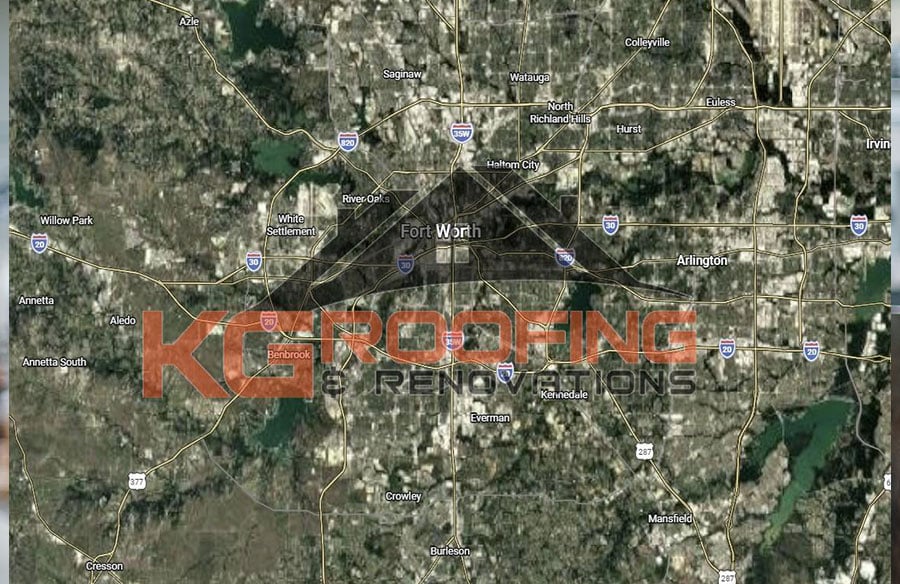
The stated service area covers Mansfield and the DFW metro area, including Arlington, Burleson, Midlothian, Waxahachie, Grand Prairie, Cedar Hill, Kennedale, Crowley, Joshua, Alvarado, Venus, Rendon, Cleburne, and dozens of surrounding communities. For homeowners anywhere in that footprint with a replacement on the horizon, whether by age, by wear, or by the next storm, the class 4 decision deserves the afternoon this article describes: a free inspection, a written quote comparing the standard and impact rated options for the actual roof, and one call to the insurance agent for the real discount and endorsement terms. In a city that hosts hail season every year, the roof built for it is usually the one worth buying, and the numbers are free to check.
Kolby Galis
1906 Lone Star Rd Suite B, Mansfield, TX 76063
KG Roofing & Renovations
(817) 368-5115
https://kgroofs.com/
[email protected]