If you’re looking for an efficient way to cool your home without installing ductwork, a mini split AC is one of the smartest options available. Unlike traditional central air systems, mini splits deliver cooled air directly into individual rooms, helping reduce energy waste while giving you better control over indoor comfort. Whether you’re upgrading an older home, finishing a garage, or cooling a new addition, there’s a mini split solution that fits almost any space.
 What Is a Mini Split AC?
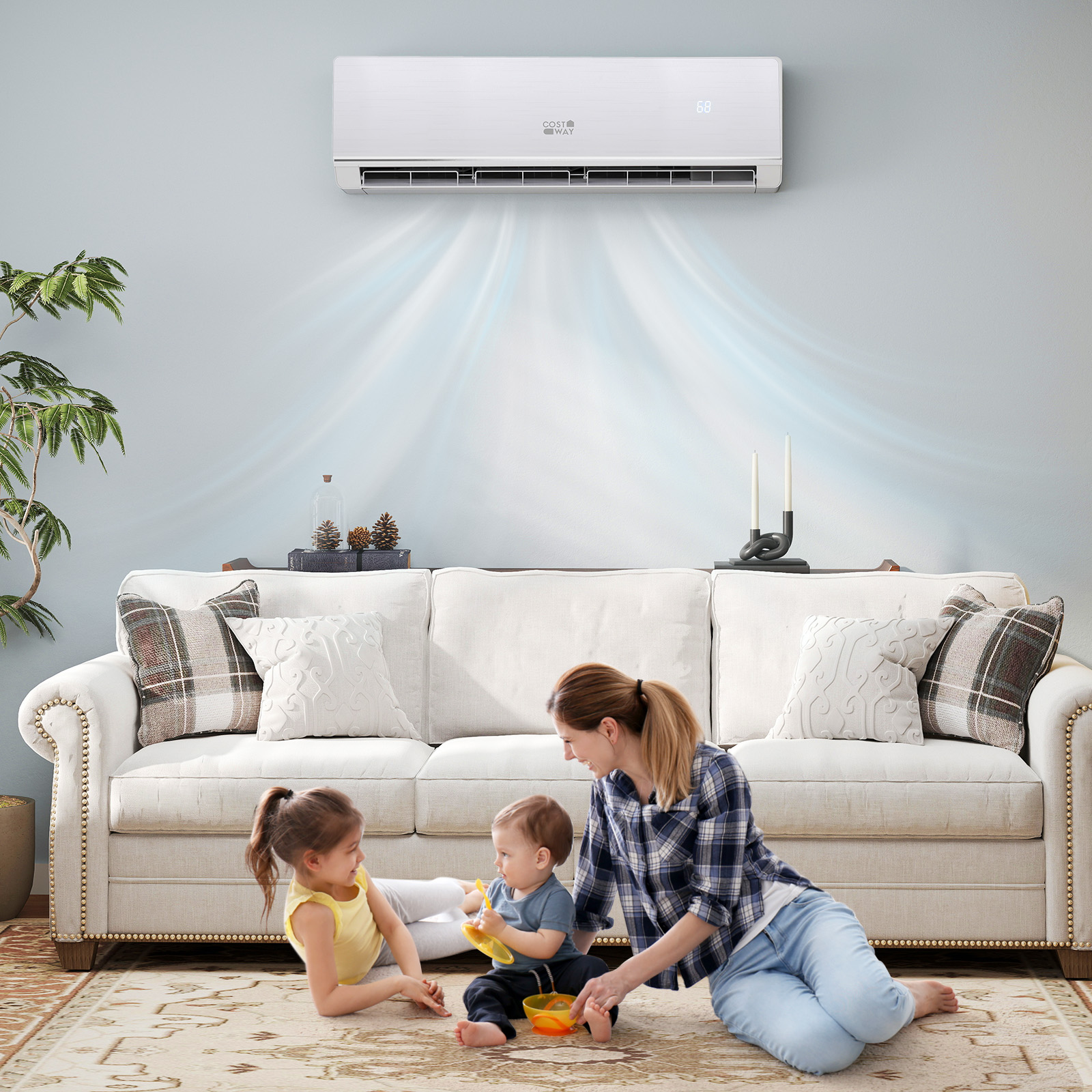
A mini split AC is a ductless heating and cooling system made up of two main components: an outdoor condenser and one or more indoor air handlers. The two units are connected by a small conduit that carries refrigerant, power cables, and a drain line.
Because there are no air ducts, installation is often quicker and less invasive than installing central air conditioning. Homeowners also gain the ability to control the temperature in individual rooms, reducing unnecessary energy use.
Many modern mini split systems include inverter technology, allowing the compressor to adjust its speed instead of constantly turning on and off. This helps maintain a more consistent indoor temperature while lowering electricity consumption.
Why More Homeowners Are Choosing Mini Split Systems
The popularity of mini split AC systems continues to grow for several reasons.
Higher Energy Efficiency
Since conditioned air travels directly into the room instead of through ductwork, mini splits avoid the energy losses associated with air ducts. Many models also feature high SEER2 ratings, making them more efficient than older central air systems.
Zoned Comfort
One of the biggest advantages is independent temperature control. Each indoor unit can operate separately, allowing family members to choose the temperature that feels most comfortable in their own space.
Quiet Operation
Indoor units are designed to run quietly, making mini splits ideal for bedrooms, home offices, nurseries, and media rooms where low noise levels are important.
Heating and Cooling in One System
Most mini split AC units also function as heat pumps, providing both cooling during summer and heating during winter. This eliminates the need for separate heating equipment in many climates.
Is a 12000 BTU Air Conditioner the Right Size?
A 12000 BTU mini split is one of the most popular sizes because it works well for many average-sized rooms.
In general, a 12000 BTU air conditioner can effectively cool approximately 450 to 600 square feet under normal conditions. This makes it suitable for spaces such as:
- Master bedrooms
- Large living rooms
- Studio apartments
- Home offices
- Finished basements
- Open-concept kitchens
However, room size isn’t the only factor when selecting capacity. Large windows, ceiling height, insulation quality, local climate, and the number of occupants can all affect cooling requirements.
If your room receives strong afternoon sunlight or has poor insulation, you may need a larger capacity. Conversely, an energy-efficient room with plenty of shade may require less cooling power.
How to Choose the Right Mini Split AC
When shopping for a mini split system, consider more than just BTU capacity.
First, verify the recommended coverage area provided by the manufacturer. Choosing the correct size helps maintain comfort while maximizing efficiency.
Next, compare energy efficiency ratings such as SEER2 and HSPF2. Higher ratings generally translate into lower operating costs over the life of the system.
You should also consider additional features, including:
- Wi-Fi or smart home compatibility
- Programmable timers
- Sleep mode
- Multiple fan speeds
- Dehumidification mode
- Auto restart after power outages
For homeowners in colder regions, selecting a cold-climate heat pump that continues heating efficiently below freezing temperatures is especially important.
Installation Tips
Although DIY mini split kits are available, professional installation is still the best choice for many homeowners. Proper refrigerant charging, vacuum testing, electrical wiring, and correct indoor unit placement all contribute to long-term performance and efficiency.
It’s also important to install the indoor unit where airflow won’t be blocked by furniture or curtains. The outdoor condenser should have adequate clearance to ensure proper ventilation and easier maintenance.
Routine maintenance is relatively simple. Cleaning the air filters every few weeks and keeping the outdoor unit free from leaves and debris can help maintain peak efficiency throughout the year.
Final Thoughts
A mini split AC offers an excellent combination of energy efficiency, quiet performance, and flexible installation. Whether you’re cooling a single bedroom or creating multiple comfort zones throughout your home, a ductless system provides reliable year-round comfort.
For many homeowners, a 12000 BTU air conditioner delivers the ideal balance of cooling capacity and operating efficiency for medium-sized rooms. By selecting the proper BTU size and choosing an energy-efficient model, you can enjoy lower utility bills, improved indoor comfort, and dependable performance for years to come.