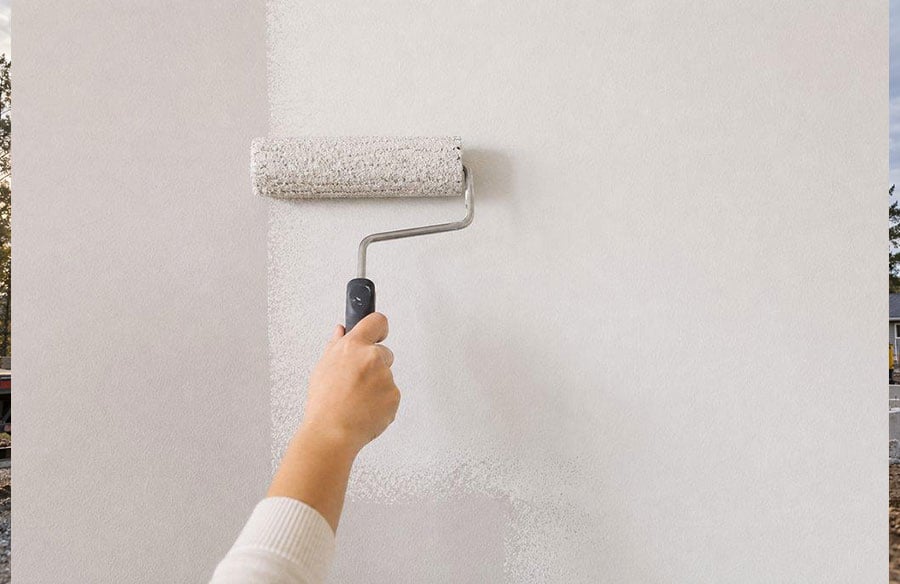
The usual question at the counter of a paint store sounds like this: What brand of paint do painters use? When painting in a real room, the choice is not as much about the name of the paint but more about the needs of the room. An apartment painting in between tenants, a bedroom painted in the middle of a cold, dry winter, and a high-traffic hallway of a family home can all require different types of paint, even though the colours might look identical in a swatch book.
Most painters will gravitate towards paint brands that have been in business for a long time, are widely available, and come with a proven track record, predictable colour line, and products specifically formulated for specific uses. For homeowners wondering what paint brands do Canadian painters use, the answer often depends on the project, the surface being painted, and the conditions in which the paint will be applied. The “best” paint is often the one that gets the job done without causing any problems.
What Changes from Room to Room?
The Apartment Turnaround
Disruption is often just as important as the look of the paint when painting an an apartment. There may be furniture in the middle of the room, people coming and going, and the painter wants a paint that goes on well and doesn’t have a heavy smell.
For this type of project, many painters reach for premium low-odour interior wall paint offered by large paint brands. This type of paint is sought after because of its ability to go on easily, hide stains and dark colours, and the fast dry time that allows for the apartment to be put back into service as soon as possible.
This focus on material properties like low-odour and quick drying highlights how architectural and interior design choices extend beyond aesthetics to impact the immediate liveability and functionality of a space. Selecting paints that minimize disruption and improve air quality is a key consideration for occupant well-being and efficient project timelines in residential and commercial settings.
Another reason that this type of paint is popular is that it is easy to touch up. If a future resident or management company ever has to touch up a section of the wall, it is much simpler if they know exactly what paint was used.
Touch-up issues are far more important than most people think. If you need to patch a small section of a wall, and you are using a different paint to do so, even if the colour matches perfectly, it could appear noticeably different if the original paint had a different sheen, base, or formulation. For this reason, many painters keep very detailed records of the sheen of the paint used in each room.
As a general rule, wait at least 24 hours before considering a freshly painted wall to be touchable, particularly around furniture and art and high-traffic areas.
A Cold Dry Winter Room Touchup
The dry air in a house in the middle of winter can cause paint to set more quickly, which means the painter has less time to maintain a wet edge on a large wall. In a bedroom, the finish is more important than the durability, so a painter might choose a higher-grade wall paint with good flow and a low sheen. Matte sheens hide surface imperfections, while eggshell provides a little bit of durability without reflecting too much light from nearby windows or lamps.
Colour matching is another consideration. Most large paint stores offer a robust colour system and can duplicate an existing colour if only part of a room needs to be touched up. However, a painter will want to do a spot test first to see how the new paint looks compared to the old, since age, exposure to light, and different sheen levels can all affect the perception of colour. But the brand of paint isn’t the most important factor, the condition of the wall is.
The Family Hallway That Gets Knocked Around
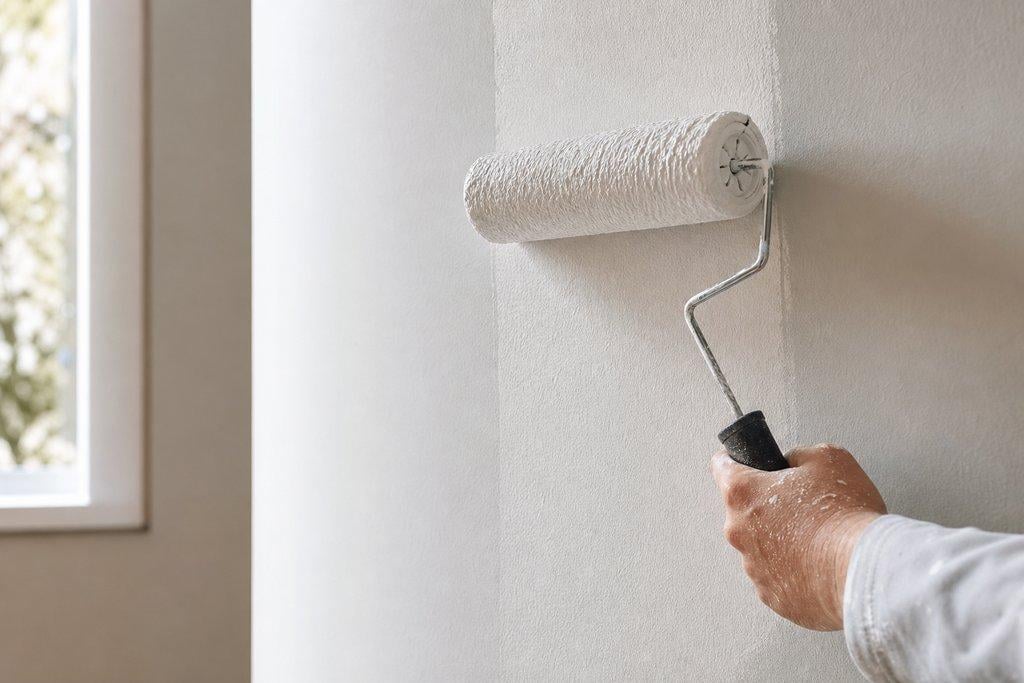 Hallways have bags being pulled against them, hands touching corners, pets bumping into them, shoes knocking them, and getting cleaned more than other parts of the house. This is why painters typically use a more durable wall paint that is easier to clean than a cheap flat wall paint.
In a hallway, the type of paint you use is just as important as who makes it. Eggshell or satin finishes that are scrub-able are often the most popular choice. These finishes are less shiny than semi-gloss but still easy to clean and more durable than a lower-sheen paint. The goal isn’t to give the hallway a shine but to allow any marks to be easily wiped off.
Some factors painters consider when comparing products for the hallway include:
- How the paint holds up to burnishing from cleaning
- How well it levels out repair work like dings and roller marks
- How easy it is to match future purchases
- How available the line is in case you need more later
Availability in the local market might also influence which paint you buy. You may want to use a particular, reliable paint for the job but might end up using a different one if there isn’t enough of your desired product to finish the job that day.
Matching Paint to the Surface
Interior paints aren’t all interchangeable. While it might look okay to use a wall paint on trim, it won’t hold up nearly as well as a dedicated door or baseboard paint.
Cabinets and Doors
Doors and cabinets require a harder, washable coating that will resist dirt and wear. Specialized enamel paints are used for these areas, and preparation involves thorough cleaning, sanding, and priming before painting. The paint needs to resist fingerprints and moisture from cleaning and opening and closing.
The selection of specific paint types for architectural elements like doors and cabinetry underscores the critical role of material science in design. Durability, resistance to wear, and ease of maintenance are not merely practical concerns but fundamental aspects of a building’s long-term aesthetic integrity and user experience, influencing everything from material specification to sustainable lifecycle considerations.
Trim and Baseboards
Trim paint needs to be both crisp-looking and durable. Satin or semi-gloss enamel are often chosen because they contrast nicely with flatter walls and are easier to clean. Technique is important, since the sheen can highlight uneven brush or roller strokes.
Ceilings
Ceiling paint is a flat, non-shiny product that doesn’t reflect light, minimizing any imperfections. It is typically a thicker formula to prevent dripping and splattering, making overhead painting less unpleasant.
The Products Painters Rely On
Rather than committing to a single brand, professional painters maintain several reliable choices for wall paint, trim paint, ceiling paint, and high-traffic areas. They know what will touch up well, what will withstand washing, and what’s always easy to find if a customer wants a new colour or wants to paint another room. Our team works within this same product-by-application reality.
Keep a written list of all the rooms and their surfaces, the condition of those surfaces, and the sheen you want in each room before buying paint.