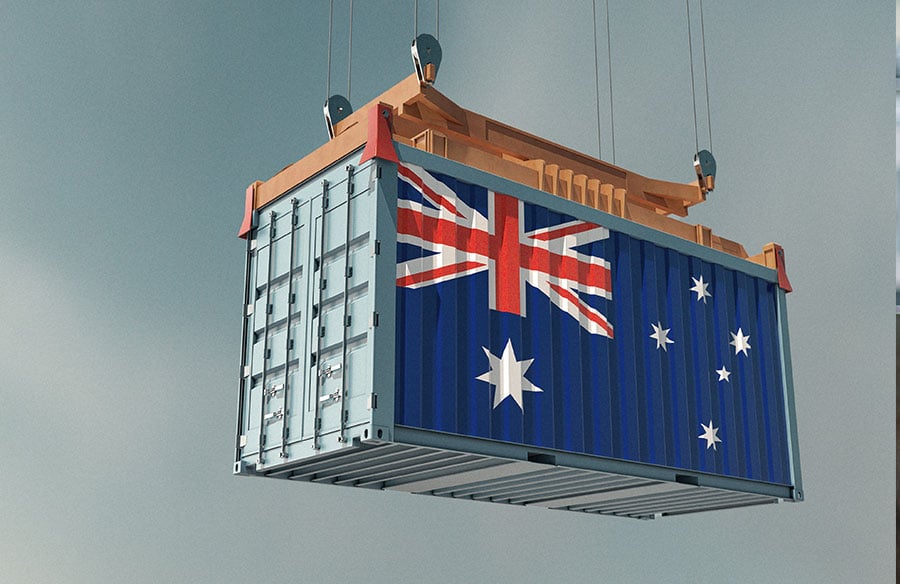
Due to Australia’s position, the country is heavily dependent on international trade. Because the continent is somewhat isolated, it relies on Asian and American products to meet local demand. Using freight forwarder USA to Australia opens up numerous opportunities for companies that want to diversify while retaining the high quality of goods.
Unfortunately, although international trade is a lucrative business in Australia, companies have to deal with a lot of red tape. The freight industry is subject to a structured yet complex regulatory framework. While some of these laws might seem redundant, they ensure efficacy and safety for all participants.
Whether you’re a fleet operator, logistics company, or retailer, you must get acquainted with local regulations. Keep in mind that the laws vary from state to state, so that’s another wrinkle you have to contend with. Nevertheless, staying compliant will not only help you avoid fines but also improve your reputation among all stakeholders.
Examining the HVNL Law
The most important law for international importers and exporters is HVNL (Heavy Vehicle National Law), which serves as a basis for all freight operations. The legislation governs the logistics of all vehicles with a gross mass of 4.5 tonnes or more, which applies across most Australian states.
Back in the day, Australians used a fragmented system, with each state enacting its own regulations. Luckily, the HVNL changed all of that by introducing a universal set of rules that streamlines operations across the industry.
The enforcing body behind these regulations is NHVR (National Heavy Vehicle Regulator). It serves as a central authority for compliance with heavy vehicle operations in the country. The institution’s main goals are to build and maintain infrastructure, ensure road safety, and improve overall industry productivity.
Determining Chain of Responsibility
The Chain of Responsibility, or CoR, is one of the basic concepts behind the local logistics regulation. It determines the legal responsibility of all participants, from drivers to companies and partners. Just about anyone can be held accountable for the transport of goods, including:
- Fleet operators
- Freight dispatchers
- Freight schedulers
- Consignors and consignees
- Warehouse staff
- Loading managers
- Other employees and partners
According to CoR, every person or entity involved in transport operations can be held responsible for road safety. Participants must set realistic standards and goals when preparing cargo, maintaining and driving vehicles, and conducting other procedures.
The main premise of the CoR laws is that everyone should take reasonably predictable steps to minimize risks and prevent legal breaches. Companies and employees that don’t comply face enormous penalties, even if they’re not directly involved in the logistics process. The shared responsibility model is highly efficient in practice, as each party controls the others for enhanced safety.
Main Areas of Compliance for Operators
Freight operators in Australia must comply with several legal requirements to ensure the safe transport of goods. Besides maintaining their vehicles in perfect shape, they must also evaluate drivers’ performance over time. By implementing these precautionary measures, freight businesses can ensure the highest level of safety for both employees and other road users.
Some of the main areas of compliance include:
- Vehicle Maintenance: All trucks and other vehicles should be in perfect shape, undergoing regular inspections.
- Drive Licenses: Every employee must have a valid, up-to-date license for their vehicle type.
- Cargo Limitations: Every vehicle must adhere to specific vehicle weight and dimension restrictions.
- Fatigue Management: Drivers must adhere to strict limits on how much they can work and how long they must rest.
- Registration and Insurance: Every vehicle in the fleet must be insured and registered.
Although some of these requirements are quite extensive, they minimize the number of road accidents. Furthermore, these limits are crucial for ensuring efficient cargo transport and protecting local infrastructure. Not complying with the regulation might lead to fines, legal actions, and permanent suspension.
The threat of penalties is so palpable that many Australian companies have begun implementing software and other solutions to ensure compliance. Through a combination of training, monitoring, and proper documentation, freight operators can minimize potential business and safety risks.
Mass, Dimension, and Load Regulations
To ensure freight safety, companies must adhere to the same legally recommended load regulations. Companies must ensure their vehicles don’t exceed a certain load distribution, mass, and dimensions, which would minimize the number of road accidents while safeguarding the infrastructure.
The main rules are as follows:
- Freight operators must prevent shifting during transport by properly securing loads.
- A vehicle’s maximum weight is affected by its axle configuration.
- Besides vehicles, companies must also ensure their cargo complies with certain width, height, and length requirements.
- If you’re transporting an oversized or excessively heavy load, you must acquire the necessary permit.
Any vehicle that exceeds these limits usually requires access approval or a special permit. In some cases, a vehicle should avoid certain roads where its dimensions might damage local bridges, roads, or other structures.
Australian Dangerous Goods Code
The Australian Dangerous Goods Code (ADG Code) establishes standards for the transportation, storage, and handling of potentially dangerous goods. These items are heavily scrutinized as they pose a high risk to the local population and the environment.
The Australian code generally aligns with other global standards, regulating the following:
- Emergency response procedures
- Dangerous goods classification
- Vehicle signage and documentation
- Packaging and labeling of dangerous goods
Drivers who are in charge of this cargo must possess special licenses. On top of that, they must also finish specialized training that will teach them how to handle these products. Besides employees, freight operators’ vehicles must also adhere to a set of standards to ensure hazard identification and containment.
Increasing Your Knowledge of Freight Regulations
For the most part, Australia has similar freight legislation to other countries. They put emphasis on traffic security and protecting the surrounding infrastructure and environment.
If you want to start a business in the country, you should familiarize yourself with all these laws. This will save you money in potential fines and ensure the streamlining of daily operations.