Relocating a warehouse or transporting commercial goods requires careful planning, suitable equipment, and experienced handling. Whether a business is moving to a larger facility, reorganising its storage space, or transferring stock between locations, working with professional warehouse removalists in Sydney can help make the process more organised and efficient. Commercial relocations often involve heavy machinery, shelving systems, pallets, inventory, and specialised equipment, so every stage needs to be managed with care.
For businesses operating across Sydney, warehouse removals and container transport are important logistical services. Choosing an experienced removal team can help reduce disruption, protect valuable assets, and keep operations moving during a transition. Understanding what these services involved can help business owners prepare for a successful relocation.
Understanding Professional Warehouse Removal Services
Warehouse removals involve more than moving boxes from one building to another. Commercial facilities often contain large quantities of stock, industrial equipment, storage systems, and materials that require different handling methods.
Professional removalists assess the site, identify potential challenges, and develop a suitable moving plan. This preparation helps ensure that equipment and inventory are handled appropriately throughout the relocation.
Initial Site Assessment and Planning
A warehouse relocation generally begins with an assessment of the existing premises and the destination. Removal specialists may review access points, loading areas, vehicle requirements, item dimensions, and the volume of goods being moved.
This information helps determine the resources required for the job. It can also identify potential issues, such as narrow accessways, limited loading space, or equipment that needs specialised lifting.
A clear relocation plan should outline the moving schedule, responsibilities, packing requirements, and delivery arrangements. Businesses can use this information to coordinate staff and prepare their facilities before moving day.
Inventory Organisation and Labelling
 Organising inventory before relocation can make unpacking and restocking easier. Businesses should identify the items being moved, group similar products, and label boxes or pallets according to their destination.
A detailed inventory can also help businesses keep track of equipment and stock throughout the process. This is particularly useful when moving large quantities of goods across multiple departments or storage areas.
Handling Heavy Equipment and Warehouse Assets
Warehouses often contain assets that require careful handling, including industrial machinery, workstations, storage racks, and specialised equipment.
Professional removalists can assess the handling requirements of these items and determine appropriate moving methods. Depending on the equipment, this may involve suitable lifting devices, protective materials, and specialised transport arrangements.
Businesses should provide accurate information about heavy or unusually shaped items during the planning stage. This helps the removal team prepare the appropriate resources.
What to Expect During a Warehouse Relocation
A well-organised warehouse relocation follows a sequence of planned activities. Although the exact process depends on the size of the facility and the amount of equipment involved, several stages are common to most commercial moves.
Preparation Before Moving Day
Preparation can help reduce delays and make the relocation easier to manage. Businesses should review their inventory, organise storage areas, identify items requiring special handling, and confirm access arrangements at both locations.
It is also useful to inform employees about the moving schedule and their responsibilities. Staff may need to prepare workstations, secure documents, remove personal belongings, or identify equipment that must remain operational until the final stage.
Loading and Transportation
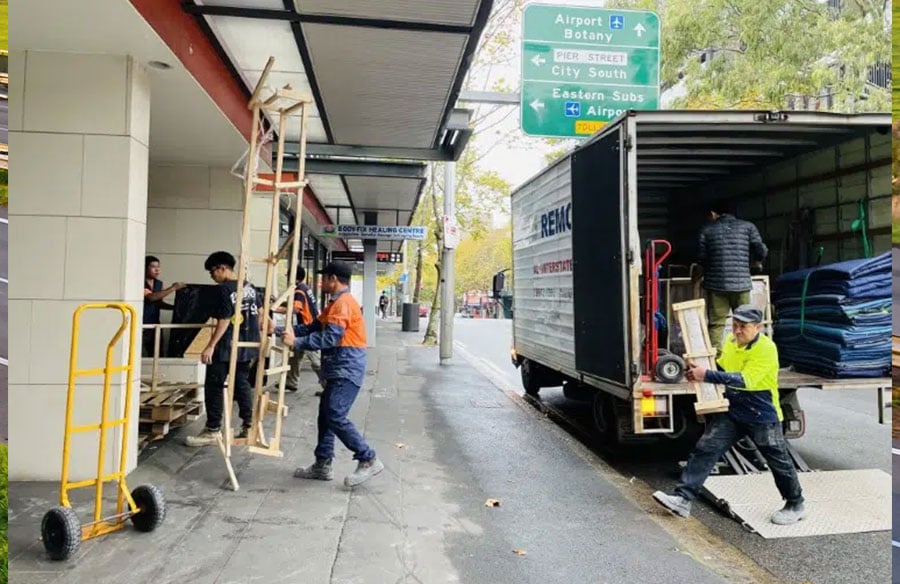
Once items have been prepared, the removal team can begin loading them onto suitable vehicles. Goods should be positioned securely to reduce movement during transit.
Different items may require different packing and loading methods. Fragile equipment, heavy machinery, and palletised inventory should be handled according to their characteristics and transport requirements.
The removal team should also consider vehicle capacity, access restrictions, and the distance between locations when arranging transportation.
Unloading and Placement
After arriving at the new warehouse, items need to be unloaded and placed in their designated areas. Following the agreed layout can make it easier for employees to locate inventory and resume normal operations.
Businesses should confirm where major equipment, shelving, and stock need to be positioned before unloading begins. This can reduce unnecessary handling and avoid having to move the same items multiple times.
The Role of Container Transport in Commercial Logistics
Container transport is another important part of warehouse operations, particularly for businesses that receive, distribute, or transfer large volumes of goods.
Containers provide a practical way to move commercial cargo between locations. However, transporting them requires suitable vehicles, loading arrangements, and coordination between the parties involved.
Choosing the Right Container Transport Arrangements
The type of container and transport vehicle required will depend on the cargo, destination, and access conditions. Businesses should provide details about container dimensions, weight, loading requirements, and delivery locations when requesting a transport service.
Accurate information helps transport providers determine whether the required vehicle and equipment are suitable for the job.
Loading and Securing Cargo
Cargo needs to be distributed and secured appropriately inside a container. Poor weight distribution or inadequate securing can increase the risk of movement and damage during transit.
Businesses should consider the size, weight, and handling requirements of each item before loading. Fragile goods may need protective packaging, while heavy products may require suitable loading equipment.
Coordinating Collection and Delivery
Collection and delivery schedules should be arranged in advance, particularly when containers are connected to warehouse operations or other transport activities.
Businesses should confirm collection times, delivery locations, site access, and any restrictions that could affect vehicle movement. Clear communication between the warehouse team and transport provider can help avoid unnecessary waiting times.
For companies moving goods between facilities, container transport services in Sydney can form an important part of the wider logistics arrangement. The right transport plan should reflect the cargo requirements, destination, and operational schedule.
Benefits of Hiring Professional Warehouse Removalists
Engaging experienced removalists can provide several practical advantages for businesses planning a commercial relocation.
Reduced Operational Disruption
A warehouse move can interrupt stock handling, order fulfilment, and daily business activities. Professional planning helps organise the relocation around operational requirements.
Some businesses may choose to move in stages to keep selected departments functioning while other areas are relocated. This approach needs careful coordination but may help limit interruptions.
Appropriate Equipment and Handling Methods
Commercial relocations can involve items that are too large, heavy, or difficult to move using standard household removal equipment.
Professional removal teams can assess the requirements of the job and arrange suitable vehicles, lifting equipment, and protective materials. This can help reduce the risk of damage to goods and property.
Better Time and Resource Management
Managing a warehouse move internally can place additional pressure on employees who already have regular responsibilities. Professional assistance can help businesses allocate tasks more effectively.
A planned schedule also makes it easier to coordinate loading, transport, unloading, and facility preparation.
Improved Organisation and Asset Tracking
Inventory records, labelling systems, and a clear warehouse layout can make the relocation easier to manage. These processes also help businesses identify missing items and check that equipment has arrived at the correct location.
How to Prepare Your Business for a Warehouse Move
Businesses can take several steps before the removal team arrives to improve the overall process.
Review Inventory and Remove Unnecessary Items
A relocation provides an opportunity to review stored goods, unused equipment, and outdated materials. Identifying items that no longer need to be moved can help reduce the volume of cargo and simplify planning.
Any disposal or recycling arrangements should be organised before moving day.
Confirm Site Access and Safety Requirements
Both the existing and new premises should be prepared for the arrival of removal vehicles and equipment. Businesses should check loading areas, vehicle access, parking arrangements, and any site-specific safety procedures.
Staff should also understand restricted areas and the procedures for working around moving equipment.
Protect Important Documents and Equipment
Business records, sensitive documents, and essential equipment should be identified before the move. Where appropriate, these items may need separate packaging, secure handling, or dedicated transport arrangements.
Businesses should also keep important operational information accessible throughout the relocation.
Coordinate With Employees and Suppliers
Employees, customers, suppliers, and delivery partners may need advance notice of a warehouse relocation. Updating relevant parties can help prevent deliveries from being sent to the wrong address.
Businesses should also confirm when normal operations are expected to resume at the new facility.
Choosing the Right Warehouse and Container Transport Provider
Selecting a suitable provider involves reviewing more than the quoted price. Businesses should consider the company’s commercial moving experience, available equipment, service coverage, and ability to manage the specific requirements of the relocation.
Ask About Relevant Experience
Warehouse relocations differ from residential moves. Ask whether the provider has experience handling commercial inventory, industrial equipment, warehouse shelving, and container movements.
Confirm the Scope of Services
Before accepting a quote, clarify which services are included. These may involve packing, loading, transportation, unloading, equipment handling, and placement at the destination.
A written quotation should clearly explain the agreed services and any additional charges that may apply.
Discuss Insurance and Responsibility
Businesses should understand how goods are protected during the relocation and what insurance arrangements apply. Ask about the provider’s responsibilities, relevant coverage, and procedures for reporting damage or loss.
Check Scheduling and Communication
Reliable communication is important when coordinating commercial transport. Confirm the moving schedule, contact arrangements, expected delivery windows, and procedures for managing unexpected delays.
Conclusion
Warehouse relocations and container movements require careful coordination, appropriate equipment, and an organised approach to handling commercial goods. From initial site assessments and inventory preparation to loading, transportation, and unloading, every stage contributes to a successful move.
Professional warehouse removalists can help businesses manage complex relocations while reducing the pressure on internal staff. Container transport also supports commercial logistics by providing a structured way to move large volumes of goods between locations.
By preparing facilities in advance, communicating with employees and suppliers, and selecting a provider with relevant experience, businesses can make their next warehouse relocation more manageable. A clear plan and suitable professional support can help protect valuable assets and establish an efficient working environment at the new premises.