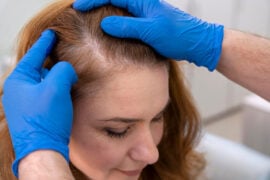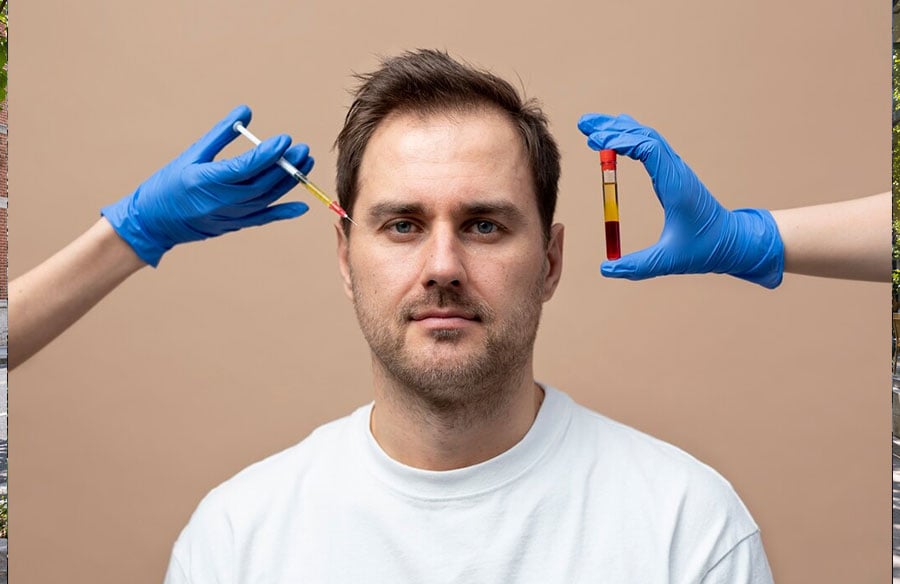
Hair loss can affect confidence, appearance, and everyday quality of life. For people experiencing significant hair thinning or pattern baldness, a hair transplant may offer a long-term option for restoring hair in areas where follicles have stopped producing visible growth. However, surgical hair restoration is not the only treatment that may form part of a patient’s overall hair care plan.
Platelet-rich plasma (PRP) treatment has gained attention as a complementary approach to hair restoration. It uses a concentrated preparation made from a patient’s own blood, which contains platelets and growth factors. These components are thought to support tissue repair and influence the activity of existing hair follicles.
For suitable patients, combining a hair transplant in Melbourne with PRP treatment in Melbourne may provide additional support during the hair restoration process. While the results vary between individuals, PRP may help support the scalp environment, complement surgical treatment, and address some aspects of ongoing hair thinning.
This article explains nine potential benefits of pairing these treatments, how they work together, and what patients should discuss with a qualified medical practitioner before proceeding.
Understanding Hair Transplants and PRP Treatment
Before looking at the potential benefits, it is useful to understand how each treatment works and why a clinic may recommend using them together.
How Hair Transplant Surgery Works
A hair transplant involves moving hair follicles from a donor area, usually the back or sides of the scalp, to areas affected by thinning or baldness. The procedure is commonly performed using techniques such as Follicular Unit Extraction (FUE) or Follicular Unit Transplantation (FUT).
FUE involves extracting individual follicular units from the donor area before implanting them into the recipient area. FUT involves removing a strip of scalp tissue and separating it into individual follicular units for transplantation.
The transplanted follicles are generally selected because they are more resistant to the effects of pattern hair loss. However, the procedure does not prevent existing, non-transplanted hair from continuing to thin.
What Happens During PRP Treatment?
PRP treatment begins with a small blood sample taken from the patient. The sample is processed using a centrifuge to separate and concentrate the platelets from other blood components.
The resulting preparation contains platelets that release growth factors involved in normal tissue repair and cellular signalling. Depending on the treatment plan, PRP may be injected into selected areas of the scalp or applied during particular stages of a hair restoration procedure.
The preparation method, platelet concentration, timing, and number of sessions can vary between clinics. These differences may influence treatment outcomes.
9 Potential Benefits of Combining Hair Transplant Surgery with PRP Treatment
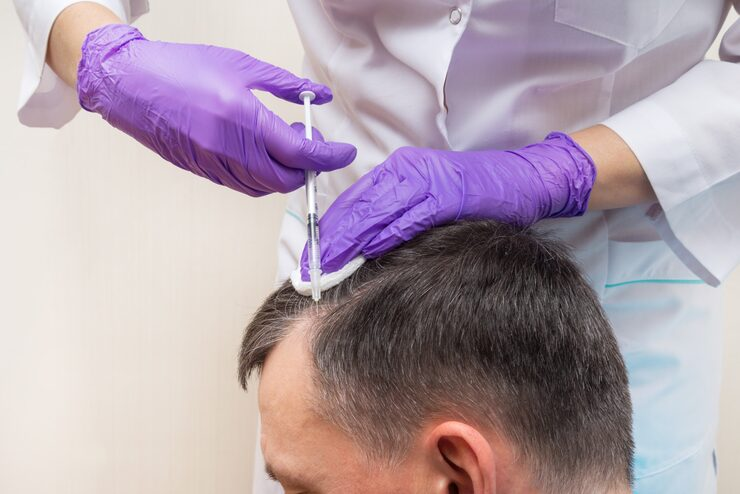 Pairing PRP with surgical hair restoration may offer several potential advantages. However, patients should understand that the evidence is still developing, particularly for PRP used specifically alongside hair transplant procedures.
1. May Support the Survival of Transplanted Hair Follicles
One of the main reasons clinics consider PRP as an additional treatment is its potential role in supporting transplanted follicles.
During a hair transplant, follicles are removed from the donor area and prepared for placement in the recipient area. These follicles temporarily experience a change in their environment before becoming established in their new locations.
PRP contains growth factors that may support cellular activity and tissue repair. When used as part of a carefully planned transplant protocol, it may help create a more supportive environment for the newly placed follicles.
Some clinical studies have reported improved follicle survival outcomes when PRP is used alongside hair transplantation. However, the available research remains limited, and PRP cannot guarantee that every transplanted follicle will survive.
2. May Encourage Earlier Visible Hair Growth
Hair transplant results take time to become noticeable. Transplanted hair commonly sheds during the early recovery period before new growth begins. Patients may therefore need to wait several months before seeing meaningful changes.
PRP is sometimes used to support the scalp during this process. Its growth factors may influence the activity of cells involved in follicular function and tissue repair.
Some studies examining PRP alongside hair transplantation have reported earlier signs of hair growth in treated patients. This suggests that PRP may have a supportive role during the early stages of recovery.
However, individual growth patterns differ. Patients should not expect PRP to remove the normal waiting period associated with hair transplantation.
3. May Help Improve Hair Density
Hair density is an important consideration when planning a hair restoration procedure. It refers to the number of hairs within a particular area of the scalp and can influence how full the hair appears.
A transplant restores hair to selected areas, but existing follicles outside the recipient area may continue to experience gradual thinning. This can affect the overall appearance of the hair over time.
PRP may support existing follicles and has been studied as a treatment for androgenetic alopecia, commonly known as pattern hair loss. Research into PRP used alongside transplantation has also reported improvements in some hair density measurements.
Combining these treatments may therefore be worth discussing for patients who have both established hair loss and ongoing thinning. The final density will still depend on donor hair availability, graft placement, individual characteristics, and the progression of hair loss.
4. May Support the Scalp’s Natural Repair Processes
Hair transplant surgery involves small incisions and the placement of follicular units into the recipient area. As with other surgical procedures, the scalp requires time to recover.
Platelets play a natural role in the body’s repair processes. They release signalling proteins and growth factors that participate in wound healing and tissue regeneration.
Because PRP concentrates platelets from the patient’s own blood, it may provide additional biological signals to the treated area. This is one reason it is used in some hair restoration protocols.
Patients should remember that PRP is not a substitute for proper surgical aftercare. Following the clinic’s instructions, protecting the scalp, and attending follow-up appointments remain important parts of recovery.
5. May Help Address Ongoing Hair Thinning
A hair transplant moves existing follicles from one area of the scalp to another. It does not stop the underlying processes responsible for pattern hair loss.
As a result, patients may continue to lose non-transplanted hair after surgery. This can affect the balance between transplanted and existing hair, particularly if hair loss progresses over several years.
PRP may help support existing follicles in selected patients with androgenetic alopecia. Research has found potential improvements in hair density and reductions in hair loss, although treatment responses vary.
For this reason, a practitioner may discuss PRP as one component of a broader hair management plan. Other medical treatments and monitoring may also be appropriate, depending on the cause and pattern of hair loss.
6. Uses a Preparation Made From the Patient’s Own Blood
Another potential advantage of PRP is that it is prepared using the patient’s own blood rather than donor-derived material.
The blood sample is collected and processed to concentrate platelets before the preparation is used in the treatment area. This autologous approach is one reason PRP is used in different medical and aesthetic settings.
Using a patient’s own blood does not mean that complications are impossible. Injection-related discomfort, bruising, swelling, and infection are still possible, while some patients may not be suitable candidates.
A medical practitioner should review the patient’s medical history, medications, and general health before recommending PRP.
7. May Provide Additional Support During the Recovery Period
Recovery after hair transplantation involves several stages. Patients may experience temporary redness, swelling, tenderness, scabbing, and shedding in the treated areas.
PRP has been investigated for its potential role in supporting tissue repair and improving certain early postoperative outcomes. Some studies have reported faster improvement in selected recovery-related measures among patients receiving PRP alongside transplantation.
However, the evidence does not establish that PRP consistently shortens recovery for every patient. The surgical technique, extent of transplantation, individual healing response, and aftercare routine all influence recovery.
Patients should ask their clinic when PRP can safely be administered and whether it is appropriate for their particular procedure.
8. Can Be Considered Within a Longer-Term Hair Restoration Plan
Hair restoration is not always a one-time process. Patients may require ongoing monitoring, medical treatment, or additional procedures depending on how their hair loss develops.
A combined treatment plan may allow a practitioner to address different aspects of hair restoration. Surgery focuses on relocating follicles to areas with reduced coverage, while PRP may be used to support existing hair and the scalp environment.
The suitability of ongoing PRP sessions depends on the patient’s response, treatment goals, and medical assessment.
A longer-term plan should also consider the possibility of continued pattern hair loss. Clinics should explain how they intend to monitor progress and whether other treatments may be appropriate.
9. May Improve Overall Satisfaction With a Hair Restoration Plan
Patient satisfaction depends on more than the number of transplanted follicles. Hairline design, density, natural-looking placement, donor area management, recovery, and realistic expectations all influence how patients assess their results.
This emphasis on design, placement, and overall aesthetic outcome mirrors the meticulous planning in architectural projects. Just as a building’s facade or interior layout is carefully conceived to achieve a desired visual and functional harmony, so too is the crafting of a natural-looking hairline, balancing form and perception.
However, PRP should not be promoted as a guaranteed way to improve cosmetic outcomes. A practitioner should explain the potential benefits, limitations, costs, and uncertainties before recommending additional sessions.
Choosing a Clinic for Hair Transplant and PRP Treatment in Melbourne
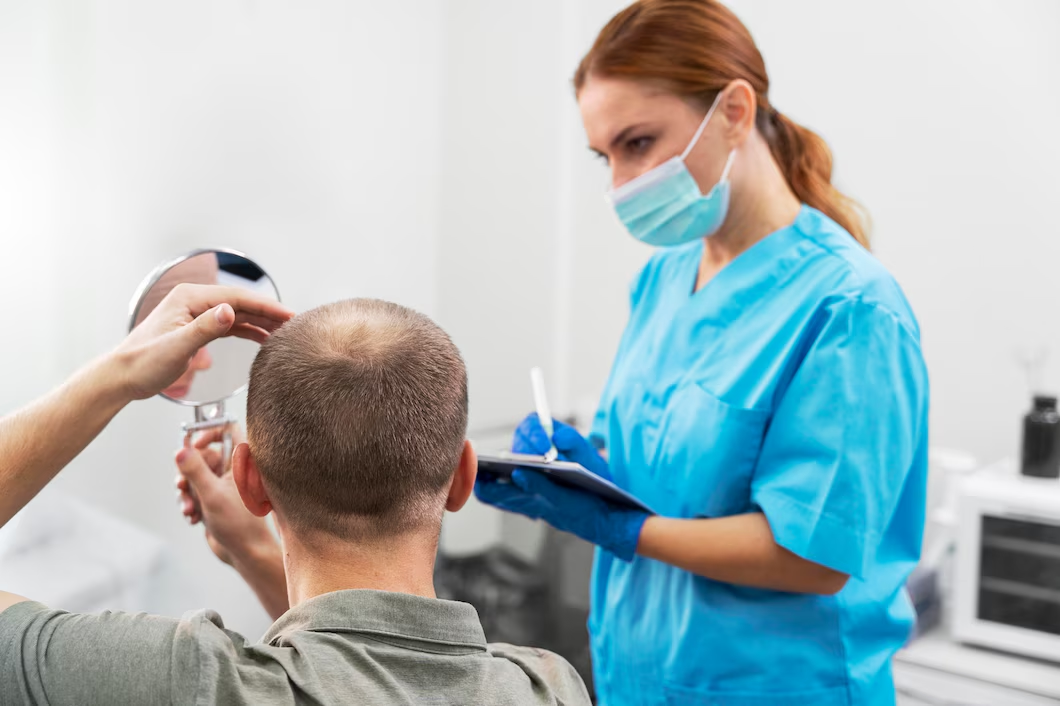 Selecting a suitable clinic is an important part of the treatment process. Patients should look beyond promotional claims and assess the qualifications, experience, treatment protocols, and follow-up care offered by the medical team.
Check Practitioner Qualifications and Experience
Ask who will perform the hair transplant, who will administer PRP, and what relevant training and experience they have. Patients should also understand which parts of the procedure are performed by the treating practitioner and which tasks are delegated.
Ask About PRP Preparation and Timing
PRP protocols can differ between clinics. Ask how the blood sample is processed, how the preparation is administered, and whether the clinic recommends treatment before, during, or after surgery.
A reputable practitioner should be able to explain why a particular protocol is being recommended rather than presenting it as a standard requirement for every patient.
Review Before-and-After Results Carefully
Photographs can help patients understand the type of results a clinic has achieved. Look for consistent lighting, camera angles, hair length, and time intervals between images.
Ask whether the examples involve similar hair loss patterns and whether the patients received PRP as part of their treatment.
The careful consideration of lighting, camera angles, and consistent presentation in these visual records echoes the professional standards of architectural photography. In both fields, effective staging and clear documentation are crucial for conveying the quality and impact of a transformation, allowing clients to accurately envision potential outcomes.
Understand the Total Cost and Follow-Up Plan
The cost of a hair transplant and PRP treatment can vary depending on the number of grafts, surgical technique, number of PRP sessions, and clinic arrangements.
Request a written breakdown of the proposed treatment plan, including follow-up appointments and any additional costs. Patients should also understand what happens if the results differ from their expectations.
Is Combining Hair Transplant Surgery and PRP Suitable for Everyone?
Not every patient needs both treatments. Suitability depends on the cause of hair loss, donor hair availability, scalp condition, medical history, and treatment objectives.
PRP may be considered for some patients with androgenetic alopecia, but it may not be appropriate for every type of hair loss. Conditions such as alopecia areata, scarring alopecia, and temporary shedding require different assessments and management approaches.
Patients with certain blood disorders, platelet-related conditions, active scalp infections, or other medical concerns may require additional evaluation before receiving PRP.
It is also important to understand that research into PRP used specifically with hair transplantation is still limited. A 2025 systematic review identified three controlled studies involving 217 participants. The studies reported encouraging findings in areas such as hair density, follicle survival, and earlier hair growth, but differences in preparation methods and assessment protocols made the results difficult to compare. Further high-quality research is needed to establish the extent of its benefits.
Conclusion
Combining a hair transplant with PRP treatment may provide additional support for selected patients undergoing hair restoration. Potential benefits include supporting transplanted follicles, encouraging earlier visible growth, improving hair density, assisting natural repair processes, and addressing ongoing thinning.
For individuals exploring a hair transplant in Melbourne, PRP may be worth discussing as part of a personalised treatment plan. However, it should be viewed as a complementary option rather than a guaranteed way to improve surgical outcomes.