This condition can affect a person’s appearance and confidence, leading many people to explore hair restoration options. Hair transplantation is one treatment that may help address certain types of thinning by relocating hair follicles from a donor area to areas experiencing thinning or baldness.
Greece has become an option for individuals researching hair restoration services, including patients traveling from other countries for treatment. However, choosing a clinic and preparing for a hair transplant involves more than booking an appointment. Patients need to understand the procedure, assess their suitability, organize travel arrangements, and prepare for the recovery period.
If you are planning to visit a hair transplant clinic in Greece, following a structured approach can help you understand each stage of the process. This step-by-step guide explains what to expect before, during, and after hair transplantation.
Step 1: Understand Your Thinning and Treatment Goals
Before arranging a consultation, take time to understand your thinning pattern and what you hope to achieve through treatment. This can develop for different reasons, including hereditary factors, hormonal changes, medical conditions, and certain medications.
The cause and progression of the condition can influence which treatment options may be appropriate.
Identify Your Main Concerns
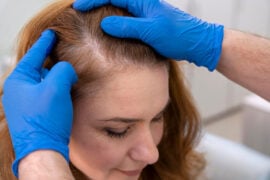
Consider which areas of your scalp are affected and how long you have experienced thinning. Some people notice a receding hairline, while others experience thinning around the crown or more widespread thinning.
It can also be helpful to gather previous photographs that show how your hair has changed over time. These images may help a medical professional understand the progression of the issue.
In architecture and design, visual documentation plays a similarly vital role. From initial sketches to final project photography, carefully curated images are essential for conveying design intent, tracking construction phases, and showcasing the completed work. The ability to present a clear visual narrative is fundamental to understanding and communicating complex transformations.
Learn About Hair Transplant Techniques
Two commonly discussed hair transplantation methods are Follicular Unit Extraction (FUE) and Follicular Unit Transplantation (FUT).
- FUE: Individual follicular units are extracted from the donor area and implanted into the recipient area.
- FUT: A strip of scalp tissue is removed from the donor area, and follicular units are separated for transplantation.
Each method has different considerations, including scarring, recovery, donor-area requirements, and suitability. A qualified medical professional can explain which approach may be appropriate based on your individual circumstances.
Step 2: Research and Compare Hair Transplant Clinics in Greece
Choosing a clinic is one of the most important decisions in your hair restoration journey. Patients should evaluate the medical team’s qualifications, treatment approach, facilities, and communication standards rather than relying only on promotional material or package prices.
Check Medical Qualifications and Experience
Find out who will perform the procedure and which medical professionals will be involved in each stage. Ask about the surgeon’s qualifications, experience with the recommended technique, and approach to managing complications.
It is also useful to understand which tasks are performed by the surgeon and which may be delegated to other members of the clinical team.
Review Patient Information and Before-and-After Photographs
Before-and-after photographs may help demonstrate a clinic’s previous work. However, results vary between individuals, so photographs should not be treated as a guarantee of what you will achieve.
Ask whether examples are available for patients with similar thinning patterns, donor characteristics, and treatment goals.
Understand What the Treatment Package Includes
For international patients, treatment packages may include consultations, accommodation assistance, airport transfers, or postoperative instructions. Confirm which services are included and whether additional costs may apply.
You should also ask about follow-up arrangements after returning home.
Step 3: Arrange an Initial Consultation
 An initial consultation helps determine whether hair transplantation is an appropriate option. This may take place in person or remotely, depending on the clinic’s process.
Provide Accurate Medical and Hair Information
Be prepared to discuss your medical history, medications, previous hair treatments, and any relevant health conditions. Provide clear photographs if the clinic requests them for an initial assessment.
Accurate information helps the medical team evaluate your circumstances and identify whether further examination is necessary.
Discuss Donor Hair Availability
The donor area, commonly located at the back and sides of the scalp, provides follicles for transplantation. Its density, quality, and available coverage influence how many grafts may be suitable for extraction.
A realistic treatment plan should protect the donor area rather than focus only on the number of grafts requested.
Establish Realistic Expectations
Ask what level of coverage may be achievable and whether more than one procedure could be required. Hair transplantation does not stop the progression of underlying thinning, so the medical team may also discuss options for managing future thinning.
Step 4: Prepare for Your Trip to Greece
Once you have completed the consultation and received a treatment plan, you can begin organizing your travel arrangements.
Book Flights and Accommodation
Choose travel dates that allow enough time for the consultation, procedure, and any recommended postoperative checks. Avoid arranging a schedule that requires extensive activity immediately after treatment.
Select accommodation that provides a comfortable environment for rest. Ask the clinic whether it recommends particular locations or arrangements for patients recovering after surgery.
The design of spaces for recovery and well-being is a critical consideration in architecture. Whether it’s a residential interior focused on comfort and natural light, or a healthcare facility optimized for patient healing, architects and designers prioritize creating environments that support physical and mental restoration. Thoughtful spatial planning, material choices, and access to views can significantly contribute to a person’s sense of ease and recovery.
Confirm Your Appointment Details
Before traveling, request written confirmation of your appointment, treatment plan, payment arrangements, and required documents.
Keep the clinic’s contact information accessible throughout your trip. International patients should also understand how to contact the medical team if they have questions after returning home.
Follow Preoperative Instructions
The clinic should provide instructions about medication, alcohol, smoking, meals, and scalp preparation. These requirements may vary depending on the patient’s medical history and the planned procedure.
Do not stop prescribed medication or make changes to your usual treatment without advice from the appropriate healthcare professional.
Step 5: Understand What Happens on the Procedure Day
Knowing the general stages of hair transplantation can help patients feel better prepared for their appointment.
Scalp Assessment and Preparation
The medical team will usually review the treatment plan and assess the scalp before starting. This may involve confirming the hairline design, donor area, and estimated graft requirements.
The scalp is then prepared according to the clinic’s procedure.
Extraction of Hair Follicles
Depending on the selected technique, follicular units are extracted individually or prepared from a strip of donor tissue.
Careful handling of the follicles is important because their condition can influence the transplantation process.
Implantation Into the Recipient Area
The extracted follicles are placed into the areas identified in the treatment plan. Their positioning, direction, and distribution are considered when creating an appropriate appearance.
The medical team should explain the procedure, expected duration, and any relevant aftercare requirements.
Step 6: Follow Postoperative Care Instructions
Recovery begins immediately after the procedure. Patients should follow the clinic’s instructions carefully to support healing and reduce the risk of complications.
Protect the Treated Areas
The scalp may be sensitive, swollen, or uncomfortable during the initial recovery period. Patients are generally advised to avoid rubbing, scratching, or placing unnecessary pressure on the treated areas.
Follow the clinic’s guidance on sleeping position, washing, and protecting the scalp.
Manage Daily Activities
The medical team will advise when it is appropriate to resume normal activities, exercise, and work. The recommended timeline depends on the procedure and individual recovery.
Avoid strenuous activity until the clinic confirms that it is safe to resume.
Recognize When to Contact the Clinic
Some temporary symptoms may occur after surgery, but patients should know which signs require medical attention. Contact the clinic promptly if you experience increasing pain, significant swelling, unusual discharge, fever, or other symptoms that concern you.
International patients should arrange a clear method of communication with the medical team after leaving Greece.
Step 7: Monitor Hair Growth and Attend Follow-Up Appointments
Hair transplantation is not an instant process. The transplanted follicles go through a recovery and growth cycle, meaning visible changes develop gradually.
Understand the Initial Shedding Phase
Some transplanted hair shafts may shed during the first weeks after treatment. This is commonly known as shock shedding and does not necessarily mean the transplanted follicles have failed.
New growth generally develops over the following months, although individual timelines vary.
Track Changes Over Time
Taking photographs at regular intervals can help patients monitor changes in hair coverage and density. Use similar lighting, angles, and hairstyles when taking comparison photographs.
Avoid judging the final outcome too early because hair growth takes time.
Maintain Communication With Your Medical Team
Follow-up appointments allow the clinic to assess healing and discuss progress. If you have returned to your home country, ask whether remote consultations are available and what to do if an in-person assessment becomes necessary.
The clinic may also discuss long-term management of the condition based on your individual needs.
Important Questions to Ask Before Hair Transplantation in Greece
Before confirming treatment, prepare questions that help clarify the procedure and your responsibilities.
- Who will perform the extraction and implantation?
- Which hair transplant technique is recommended, and why?
- How many grafts are estimated to be suitable?
- What are the potential risks and complications?
- What postoperative care will be required?
- How long should I remain in Greece after treatment?
- What follow-up support is available once I return home?
- What additional costs may arise during treatment or recovery?
Clear answers can help you make an informed decision and understand what the treatment involves.
Conclusion
Navigating a hair transplantation journey in Greece involves several stages, from researching clinics and attending consultations to arranging travel and following postoperative care instructions. Each stage plays a role in helping patients understand the procedure and prepare for recovery.
Before choosing a clinic, review medical qualifications, treatment methods, patient information, and follow-up arrangements. A suitable treatment plan should be based on your thinning pattern, donor hair availability, medical history, and realistic expectations.
By preparing carefully and maintaining communication with the medical team, patients can approach hair transplantation with a clearer understanding of the process. Remember that individual results and recovery experiences vary, and professional medical guidance is essential throughout the journey.