Introduction: Understanding What Impacts Car Shipping Costs
If you are planning a long-distance relocation, purchasing a vehicle online, or sending a car across the country, one major question inevitably arises: how much does it cost to ship a car?
The short answer is that there is no single, universal price tag. Car shipping prices vary significantly from one shipment to another. Because vehicle shipping operates on a dynamic, logistics-driven marketplace, a quote for one vehicle can look completely different from a quote for an identical vehicle traveling a slightly different route or during a different month.
To avoid unexpected surprises and budget effectively, vehicle owners should understand the core variables that auto transport dispatchers and carriers use to calculate rates. By learning how these pricing models function, you can secure accurate car shipping quotes, identify unusually low and potentially risky estimates, and arrange a seamless transport experience.
Why Car Shipping Costs Can Vary So Much
Every Vehicle Shipment Is Unique
The auto transport industry does not rely on a rigid, flat-rate pricing system. Instead, quotes are highly customized solutions shaped by a combination of fuel metrics, equipment dimensions, and real-time market dynamics.
Transport costs are essentially a monetary measure of what the carrier must pay to produce the service, combined with changing consumer demand. When a dispatcher evaluates a route, they examine how easily a massive multi-car trailer can navigate the pickup and delivery points, how many other vehicles are competing for spots on that same corridor, and how much weight the truck will carry. Because these factors shift continuously, every single shipment requires its own custom calculation.
Understanding How Auto Transport Pricing Works
Carriers do not operate in a vacuum; they balance operating overhead against daily market conditions. Linehaul costs, which are a direct function of the distance a vehicle is carried alongside its total weight, include foundational expenses like driver labor and diesel fuel.
When you compare auto transport company pricing, keep a realistic benchmark in mind. In the shipping industry, unusually low quotes are a common red flag. Low-ball estimates often come from brokers who underestimate market rates to win your booking, only to later demand more money when no actual carrier agrees to move the vehicle for such a low payout. True pricing transparency protects you from these hidden delays and structural risks.
The Most Important Factors That Affect Car Shipping Costs
Shipping Distance and Route Popularity
It is a standard rule of logistics that longer distances yield a higher total cost. However, the cost per mile actually decreases the farther the vehicle travels.
Major routes, such as New York to Florida or California to Texas, feature a high volume of moving trucks. This intense route popularity fosters steep competition among carriers, driving down the price per mile. Conversely, if your pickup or delivery location sits far off the main interstate lines, expect an upcharge. Deviating into rural territory requires additional time, fuel, and carrier resources, which will reflect in the final quote.
Vehicle Size, Weight, and Dimensions
A vehicle’s physical footprint plays a massive role in rate generation. Transport trailers have strict legal weight limits and precise physical space constraints.
Compact and mid-size cars take up less physical volume and weigh less, making them the most economical vehicles to ship. On the other hand, oversized vehicles like SUVs, trucks, and vans occupy the physical space of one and a half to two regular sedans and put extra stress on the carrier’s weight capacity. Consequently, shipping an F-150 or a Chevy Tahoe will command a higher rate than a standard sedan on the same exact route.
Open vs. Enclosed Auto Transport
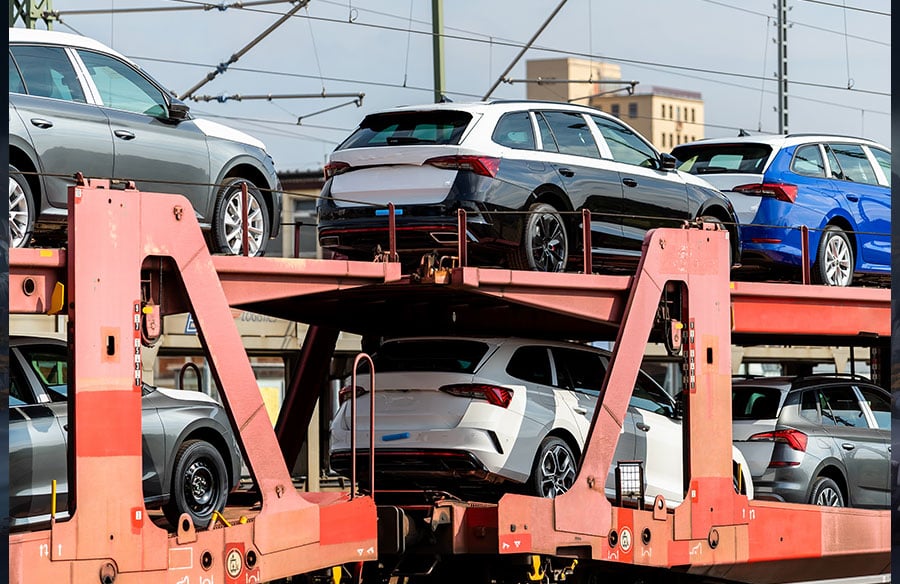
Choosing your trailer type is one of the clearest ways to balance protection against your budget. Open transport is the industry gold standard for affordability. Your vehicle shipping is loaded onto an open-air, two-level trailer alongside several other cars. It is highly safe, widely available, and perfect for daily drivers.
Enclosed transport utilizes fully shielded trailers to safeguard cargo from weather, highway debris, and road dust. It carries a thirty to fifty percent pricing premium and is highly recommended for luxury, classic, exotic, or low-clearance specialty vehicles.
Pickup and Delivery Locations
The geographical accessibility of your origin and destination influences vehicle transport rates. Urban hubs with wide, clear thoroughfares allow carriers to load and unload efficiently.
Conversely, tight historic streets, low-hanging tree branches, and strict residential zoning laws prevent large auto transport trucks from reaching your exact curb. While door-to-door auto transport pricing offers ultimate convenience, you can often trim costs by arranging to meet the carrier at a nearby open commercial parking lot or a highway-adjacent staging area.
Seasonal Demand and Market Conditions
Auto transport rates expand and contract based on the calendar. Spring and summer bring a massive surge in relocations and car buying, causing carrier availability to drop and prices to climb.
In late autumn and early spring, thousands of seasonal residents move between northern states and southern microclimates, causing rates along these specific snowbird corridors to spike dramatically. While winter generally sees lower overall demand, severe winter storms can instantly constrain carrier capacity and cause temporary price adjustments due to dangerous road conditions.
Vehicle Condition
A vehicle’s operational status heavily affects the final cost because a car that starts, steers, and brakes easily can be driven right up the ramp onto the trailer, keeping labor costs low.
A non-running vehicle requires specialized winches, forklifts, and extra labor to physically haul it onto the deck. Expect an additional fee of one hundred fifty to three hundred dollars to compensate for the specialized equipment and handling risks involved.
Fuel Prices and Industry Operating Costs
Because linehaul costs are fundamentally driven by diesel prices, unexpected national fuel fluctuations impact consumer rates almost immediately. Beyond fuel, carrier fleets must account for commercial insurance overhead, regulatory compliance, and equipment maintenance. When carrier operating costs rise across the industry, vehicle transport rates adjust to maintain safety and operational viability.
Step-by-Step Guide for Estimating Your Car Shipping Costs
To build a reliable cost projection before speaking with dispatch experts, you must first gather precise vehicle information by writing down your vehicle’s exact year, make, model, and trim level, noting any aftermarket modifications that alter its weight.
Next, pinpoint your exact locations with ZIP codes rather than just city names to account for potential rural route diversions.
After that, select your desired shipping method by weighing your budget against your protection needs, choosing between open or enclosed trailers.
You should then establish a flexible timeline, keeping in mind that a multi-day pickup window lowers costs compared to premium expedited service.
Finally, request and vet multiple professional quotes from reputable providers, ensuring each estimate includes comprehensive cargo insurance coverage with no hidden terminal fees.
Average Car Shipping Cost Ranges to Expect
While exact pricing depends entirely on real-time market dispatch data, short-distance shipments under five hundred miles generally average between three hundred fifty and seven hundred dollars.
Medium-distance shipments spanning five hundred to fifteen hundred miles typically fall between seven hundred and twelve hundred dollars.
For cross-country coast-to-coast transport exceeding fifteen hundred miles, vehicle owners should expect to pay between twelve hundred and over two thousand dollars for an open carrier.
Classic, luxury, and exotic vehicle transport rates reflect the lower capacity of enclosed trailers and higher insurance limits, requiring a thirty to fifty percent premium over baseline open carrier rates.
How Vehicle Owners Can Reduce Car Shipping Costs
Locking in your reservation two to four weeks before your target ship date gives logistics coordinators ample time to match your car with a carrier on an efficient route, sparing you from last-minute premium rates.
Maintaining flexible pickup and delivery dates by giving your transport provider a three-to-five-day window allows dispatchers to optimize trailer configurations, passing the structural efficiency savings down to you.
Selecting open transport when appropriate is highly recommended, as open-air trailers offer incredibly safe, fully insured, and highly economical transport that handles more than eighty percent of all domestic auto shipments.
Using convenient pickup and delivery locations, such as dropping off or receiving your vehicle at an accessible staging point right off a major highway, skips local transit surcharges.
Avoiding peak shipping seasons whenever possible allows you to coordinate your transport during the late autumn or mid-winter lulls when general consumer demand dips, unlocking access to highly competitive seasonal rates.
Common Mistakes People Make When Estimating Car Shipping Costs
The single biggest pitfall in auto transport is choosing the lowest quote without comparing actual services. Low estimates often come from unvetted brokers who will leave your vehicle stranded when legitimate carriers reject the unfeasible payout rate.
Another mistake is forgetting about seasonal price fluctuations, since a quote generated in the quiet weeks of January will rarely match a quote issued during the height of the summer moving rush.
Not disclosing vehicle details accurately, such as failing to mention a non-running engine or aftermarket modifications, can derail your shipment on pickup day.
Waiting until the last minute drastically reduces carrier availability and increases expedited shipping costs.
Lastly, assuming all quotes include the same services, such as equivalent insurance coverage limits or identical delivery terms, can lead to costly misunderstandings down the road.
What to Expect During Vehicle Pickup
Carrier Arrival and Inspection Process
When the transport truck arrives, you or your designated representative will meet the driver to conduct a comprehensive pre-shipment vehicle assessment. Together, you will walk around the vehicle, noting any existing chips, dents, or scratches. The driver will verify your documentation and record these visual details clearly.
Reviewing the Bill of Lading
The Bill of Lading is the official receipt of your cargo and a legal contract governing the shipment. It acts as the definitive record of your vehicle’s physical state before it leaves your care. Take your time reviewing this document before signing to ensure all existing blemishes are noted accurately, as this document serves as your foundational baseline in the unlikely event of an insurance claim upon delivery.
Preparing the Vehicle Before Pickup
Take proactive operational steps to prepare your car for a safe journey. Clean the exterior thoroughly to help ensure an accurate damage inspection, and remove all personal belongings, toll transponders, and loose electronics. Keep the fuel tank down to roughly one-quarter full to reduce unnecessary structural weight, check for active fluid leaks, and take clear, high-resolution, dated photos of all angles of the vehicle.
Communication Throughout Transport
Modern auto logistics relies on consistent tracking and proactive updates. Your transport specialist will provide estimated delivery windows, taking into account road conditions, federally mandated driver rest periods, and unexpected weather delays along cross-country corridors.
Why Accurate Quotes Depend on Working With a Trusted Auto Transport Provider
An accurate, dependable car shipping cost estimate relies entirely on working with an experienced logistics provider. Transparent auto transport logistics requires an honest assessment of current market factors, a reliable network of strictly vetted carriers, and clear communication from booking to offloading.
Preowned Auto Logistics specializes in taking the guesswork out of vehicle transport. By analyzing your vehicle’s specific dimensions, route infrastructure, and seasonal conditions, we deliver accurate, reliable quotes with zero hidden fees. Our commitment to upfront pricing and elite carrier coordination ensures your vehicle travels safely, arriving exactly on schedule without unexpected surcharges.
Frequently Asked Questions About Car Shipping Costs
A typical cross-country shipment spanning fifteen hundred to over twenty-five hundred miles generally averages between twelve hundred and over two thousand dollars on an open carrier, depending on route popularity and current fuel costs.
To get an accurate car shipping quote, you need to provide the exact year, make, and model of the vehicle, its operational status, the precise pickup and delivery ZIP codes, your preferred trailer type, and your ideal timeframe.
Open transport is significantly cheaper than enclosed transport, saving vehicle owners roughly thirty to fifty percent, making it the most cost-effective option for daily drivers.
Non-running vehicles definitely cost more to ship, usually incurring an extra charge of one hundred fifty to three hundred dollars to cover the cost of specialized winching gear and additional labor.
The cheapest time of year to ship a vehicle is during the late autumn and mid-winter months when general consumer moving demand slows down considerably.
You can absolutely lower your shipping costs by being flexible with your dates, as a multi-day dispatch window helps coordinators secure a spot on the most efficient carrier route available.
Car shipping quotes are highly accurate but are typically guaranteed for only seven to fourteen days before requiring a market refresh due to shifting fuel costs and carrier availability.
Door-to-door shipping can occasionally cost more if your neighborhood features tight turns or low clearance, so meeting your carrier at a nearby wide-open commercial parking lot is an easy way to save money.
Conclusion: Estimate Car Shipping Costs With Confidence
Estimating your car shipping expenses does not have to be an overwhelming or mysterious process. When you understand the core factors driving auto transport rates, including transport distances, route demand, trailer selections, and vehicle dimensions, you can build a highly accurate moving budget. Planning ahead, maintaining flexible dates, and choosing open transport are reliable ways to secure top-tier service at competitive rates. Ready to cut through the guesswork and secure a transparent, no-surprise vehicle transport estimate? Connect with a dedicated logistics specialist at Preowned Auto Logistics today to request your custom, comprehensive quote.