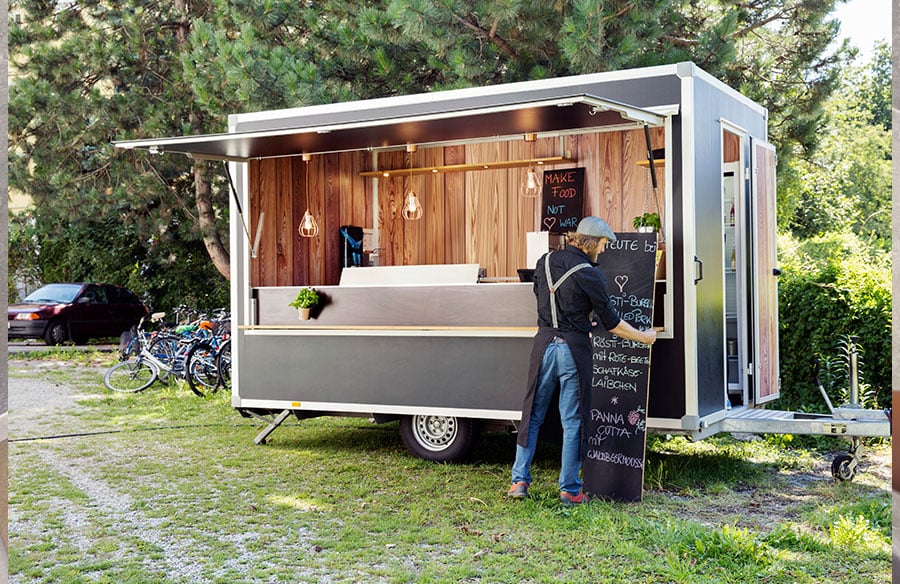
Starting a food business or expanding an existing restaurant does not always require a traditional commercial space. Custom mobile kitchens offer a flexible way to prepare and serve food at different locations. Whether you are planning a food truck, catering business, or mobile food service, having a well-designed kitchen can make daily operations easier. However, choosing the right setup requires careful planning. Here are some useful tips to consider when investing in custom mobile kitchens.
1. Identify Your Business Requirements
Before designing your mobile kitchen, consider the type of food you plan to prepare and serve. A coffee truck will have different equipment requirements compared to a food truck serving burgers, pizzas, or full meals. Make a list of your menu items, cooking methods, storage needs, and expected customer volume. This will help you create a kitchen layout that supports your daily operations without wasting valuable space.
2. Choose the Right Kitchen Layout
Space is one of the biggest challenges in a custom mobile kitchens. Every section should have a clear purpose, from food preparation and cooking to cleaning and storage. Choose a layout that allows staff to move comfortably without getting in each other’s way. Keep frequently used equipment within easy reach and organise workstations based on the order of food preparation. A practical layout can improve efficiency during busy hours.
3. Invest in Quality Equipment
The equipment you select will directly affect your kitchen’s performance. Depending on your menu, you may need commercial refrigerators, grills, fryers, ovens, food preparation counters, and ventilation systems. Choose durable equipment designed for commercial use and suitable for mobile operations. Energy-efficient appliances can also help reduce operating expenses over time. Make sure every appliance fits properly within the available space.
4. Focus on Ventilation and Safety
Proper ventilation is essential for maintaining a comfortable and safe cooking environment. Cooking equipment can generate significant heat, smoke, and grease, making an effective ventilation system necessary. Consider installing suitable exhaust hoods, fire suppression systems, and fire extinguishers. Electrical connections, gas lines, and plumbing should also be professionally installed to reduce potential risks.
5. Prioritise Hygiene and Food Safety
Maintaining cleanliness is particularly important in a mobile food business. Your kitchen should include appropriate handwashing facilities, food preparation sinks, and easy-to-clean surfaces. Choose materials such as stainless steel that are durable and simple to maintain. Proper refrigeration and food storage arrangements will also help maintain food quality and prevent contamination.
6. Consider Future Business Expansion
Your business requirements may change as your customer base grows. Therefore, think about future needs when planning your kitchen. Choose a design that allows room for additional equipment or improved storage wherever possible. Discuss customisation options with your kitchen manufacturer to ensure the setup can accommodate your changing requirements.
Final Words
A well-designed mobile kitchen can make food preparation more convenient and help your business operate efficiently. Before investing, consider your menu, available space, equipment, safety requirements, and future plans. Working with an experienced manufacturer can help you create a setup that matches your business needs. With the right planning, custom mobile kitchens can provide a practical and flexible solution for running a successful food business.