Florida’s weather can be tough on gutters. Between heavy summer downpours, year-round humidity, intense sunlight, and salty coastal air, the wrong material can lead to rust, leaks, and frequent repairs.
What works for a home in Orlando might not be the best fit for a coastal property in Boca Raton or Fort Lauderdale. Rainfall patterns, nearby trees, and exposure to salt air all influence how well a gutter system performs.
So, which gutter materials hold up best in Florida’s climate? Let’s compare the most common options and what you should consider before choosing one.
What Are the Best Gutter Materials for Florida Homes?
1. Aluminum: The Best Overall Choice
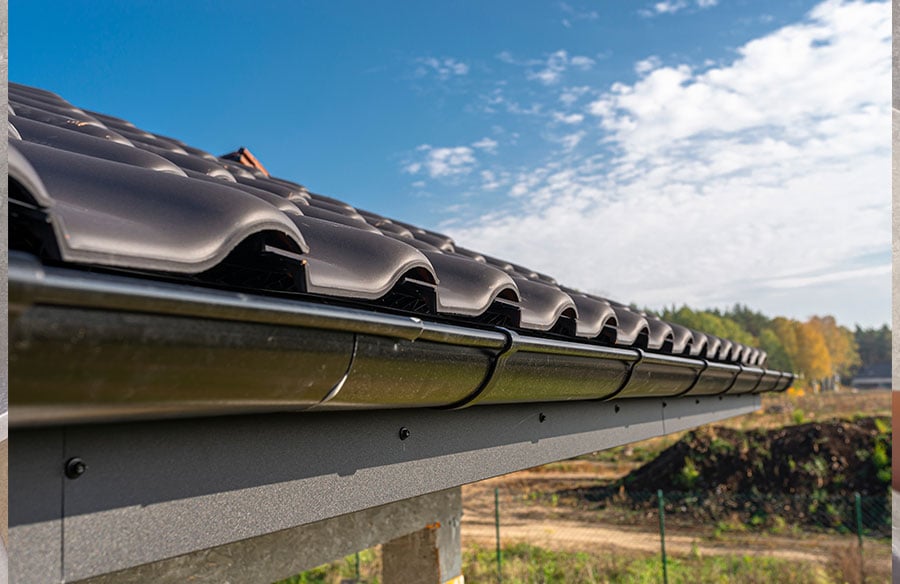
Aluminum is a popular choice for Florida homes, and for good reason. It doesn’t rust like ordinary steel, requires relatively little maintenance, and comes in colors that complement most home exteriors.
Why aluminum works well in Florida:
- Resists rust in humid environments.
- Handles frequent rainfall when properly sized.
- Comes in seamless designs with fewer potential leak points.
- Works with many roof styles, including shingle, tile, and metal roofs.
Seamless aluminum gutters are particularly useful because they’re custom-fitted to the roofline, reducing the number of joints where leaks can develop. This is especially beneficial in Tampa, where intense summer storms can put gutter systems to the test.
If you’re looking into gutter installation in Tampa, SunLife Gutters Tampa is one of the top local companies in the area. With locations in Tampa and Orlando, the company has completed over 10,000 projects and earned a 4.9-star Google rating from more than 200 reviews.
2. Copper: A Long-Lasting Premium Option
Copper gutters stand out for their durability and distinctive appearance. Over time, they develop a natural patina that gives them an aged finish.
They’re particularly attractive on Mediterranean-style homes, historic properties, and buildings with architectural details worth highlighting.
What to consider: Copper costs considerably more than aluminum and requires compatible fasteners to prevent galvanic corrosion. It’s best suited to property owners willing to invest more upfront.
Aluminum vs. Copper: Which Is Right for Your Home?
| Feature | Aluminum Gutters | Copper Gutters |
| Durability | Long-lasting with proper maintenance | Excellent longevity |
| Corrosion resistance | High, but coastal exposure requires care | Excellent, develops a protective patina |
| Cost | More affordable | Premium pricing |
| Maintenance | Low | Low to moderate |
| Appearance | Multiple colors and finishes | Distinctive natural patina |
| Best suited for | Most Florida homes and commercial properties | Coastal homes, historic buildings, and upscale properties |
| Overall value | Best balance of cost and performance | Best for longevity and architectural appeal |
What About Steel and Vinyl Gutters?
Steel and vinyl are other options, but both have limitations in Florida’s climate.
Steel is strong and durable, but galvanized versions can rust when their protective coating wears away. Vinyl is affordable, lightweight, and rust-resistant, but prolonged exposure to Florida’s heat and sunlight can cause it to warp or become brittle.
For most homeowners, aluminum offers better long-term value.
How Florida’s Climate Affects Your Gutter Needs
Florida’s weather varies by location. The right gutter system should account for local rainfall, nearby vegetation, and exposure to coastal conditions.
Tampa and Orlando: Heavy Rain and Frequent Storms
Central Florida experiences frequent thunderstorms during the warmer months. A short afternoon downpour can send large amounts of water off a roof in minutes, making gutter capacity especially important.
When planning gutter installation in Orlando, proper sizing and downspout placement are just as important as choosing the right material. For homes in Tampa and Orlando, six-inch gutters can help manage heavy runoff from larger roofs, while properly placed downspouts reduce the risk of overflow.
Boca Raton and Fort Lauderdale: Salt Air and Corrosion
South Florida’s coastal environment introduces another concern: salt exposure.
Salt carried by ocean breezes can accelerate corrosion, particularly around gutter fasteners, joints, and exposed metal surfaces. Combined with heavy seasonal rainfall and intense sunlight, these conditions can shorten the lifespan of poorly protected gutters.
For homeowners considering gutter installation in Boca Raton, corrosion-resistant fasteners and protective finishes are important for withstanding coastal salt exposure. Properly positioned downspouts also help direct heavy rainfall away from foundations and prevent soil erosion.
If you’re looking for the best gutter contractor in South Florida, All American Gutters is worth keeping on your list. With over 19 years of experience and more than 10,000 completed projects, the company also offers lifetime warranty options.
Which Gutter Material Should You Choose?
For most Florida properties, seamless aluminum offers the best balance of durability, maintenance, and value. Copper is an excellent premium alternative, while steel and vinyl are better suited to specific applications.
Whatever material you choose, make sure the gutter system is sized for your roof and local rainfall conditions. Proper installation and regular maintenance help keep water moving where it belongs.
Frequently Asked Questions
Are six-inch gutters better for Florida homes?
Six-inch gutters provide greater capacity than five-inch systems, making them useful for larger roofs or areas receiving concentrated runoff. However, sizing should depend on roof dimensions, rainfall intensity, and downspout capacity.
Do aluminum gutters rust in Florida’s humidity?
Aluminum doesn’t develop red rust like steel. However, coastal salt exposure and contact with incompatible metals can still cause corrosion, so appropriate finishes and fasteners matter.
Are seamless gutters worth it in Florida?
Yes, for many properties. Their fewer joints reduce potential leak points, which is particularly useful during frequent heavy rain. They still require maintenance around corners and outlets.
How often should gutters be cleaned in Florida?
Inspect them at least twice a year and after major storms. Homes surrounded by oak trees, palms, or other vegetation may need more frequent cleaning.