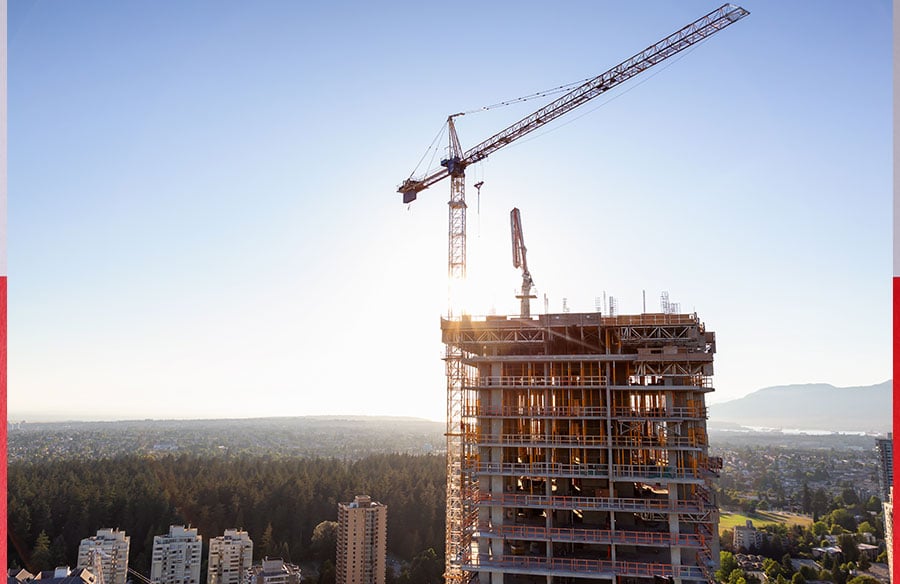
New Zealand’s construction industry is going through one of its most dynamic periods in recent memory. From the rebuilding of flood-damaged infrastructure across Hawke’s Bay to the ongoing push for housing density in Auckland and Wellington, Kiwi builders, contractors, and developers are facing a rapidly evolving landscape. Understanding the trends driving this change is no longer optional for those who want to stay competitive. It is essential.
1. Sustainability and Green Building Standards Are Becoming the Baseline
Environmental responsibility has shifted from a nice-to-have to a near-universal expectation in New Zealand construction. The government’s commitment to a net-zero carbon economy by 2050 is trickling down into building consents, procurement decisions, and material sourcing. Developers are increasingly required to consider the full lifecycle impact of a structure, from the embodied carbon in raw materials to operational energy use over decades.
Green Star ratings, Homestar certifications, and NABERSNZ benchmarks are becoming standard benchmarks rather than premium differentiators. Passive design principles, triple glazing, and on-site energy generation through solar panels are showing up not just in high-end residential builds but in mid-market homes and commercial fit-outs.
This trend creates both pressure and opportunity. Contractors who can confidently deliver low-carbon builds are positioning themselves strongly for government contracts, which are increasingly weighted toward sustainability criteria. Subcontractors and suppliers who understand these requirements will find themselves in high demand over the coming years.
2. Equipment Access Is Evolving: Renting Over Owning
One of the most practical shifts across the New Zealand construction sector is a growing preference for equipment rental rather than outright purchase. This is particularly visible when it comes to heavy machinery. Whether you are a sole trader working on a residential site or a mid-sized civil contractor taking on infrastructure upgrades, renting diggers in New Zealand has become a smarter financial decision for many businesses.
The reasoning is straightforward. Purchasing heavy equipment ties up significant capital, creates depreciation headaches, and saddles operators with ongoing maintenance and storage costs. By contrast, renting diggers in New Zealand gives businesses the flexibility to scale up or down based on project demand, access newer and better-maintained machinery without the ownership burden, and allocate capital to other parts of the business.
This is where companies like Porter Group have become an integral part of the New Zealand construction ecosystem. Porter Group is one of the country’s leading suppliers of construction equipment, with a strong presence in machinery sales, rentals, and parts. Their reach across New Zealand means contractors in regions from Northland to Southland can access the right equipment for the job without lengthy lead times or expensive freight. For many businesses, the ability to rent diggers in New Zealand through a trusted national supplier like Porter Group is a genuine competitive advantage when bidding for time-sensitive contracts.
The rental model also supports newer contractors entering the market. Rather than requiring large upfront investment to get started, emerging construction businesses can take on larger scope projects by accessing equipment as needed, proving their capability, and building toward ownership if and when it makes sense.
3. Technology and Prefabrication Are Reshaping How We Build
The construction industry has traditionally been slow to adopt new technology, but that is changing rapidly in New Zealand. Two areas stand out: digital project management and prefabricated or modular construction.
On the digital side, Building Information Modelling (BIM) is moving from large commercial projects into medium-scale residential and light commercial work. BIM allows architects, engineers, and builders to work from a shared digital model, catching clashes and design issues before a single foundation is poured. The result is fewer costly variations on-site and more predictable timelines, which are things every client values in a tight market.
Drones are also becoming a practical tool for site surveys, progress monitoring, and safety inspections. What once required scaffolding, cherry pickers, or risky manual inspections can now be completed faster and more safely with UAV technology. The data generated feeds directly into project management platforms, giving site managers real-time visibility across multiple projects at once.
Meanwhile, prefabricated construction is gaining serious momentum as a response to New Zealand’s persistent housing shortage. Off-site manufacturing of wall panels, bathroom pods, and even entire volumetric modules allows components to be built in controlled factory conditions while site preparation happens simultaneously. This reduces overall project timelines, cuts weather-related delays (particularly relevant in New Zealand’s variable climate), and can improve build quality through tighter quality control processes.
Several New Zealand companies are investing in prefab manufacturing capability, and government bodies are actively exploring how modular construction can accelerate social and affordable housing delivery. It is a trend that looks set to grow significantly over the next decade.
Building Smarter in a Changing Market
New Zealand’s construction industry is resilient, resourceful, and increasingly sophisticated. The businesses that will thrive over the next five to ten years are those embracing sustainability as a core business capability, making smart decisions about equipment access (including leveraging rental options through experienced suppliers like Porter Group), and integrating technology into every stage of the project lifecycle.
Whether you are a solo tradesperson, a growing contractor, or a large developer, the message is consistent: the tools, approaches, and standards of the past are giving way to something better. The opportunity for those willing to adapt is substantial.
This article was written for industry professionals operating in the New Zealand construction and civil contracting space.