
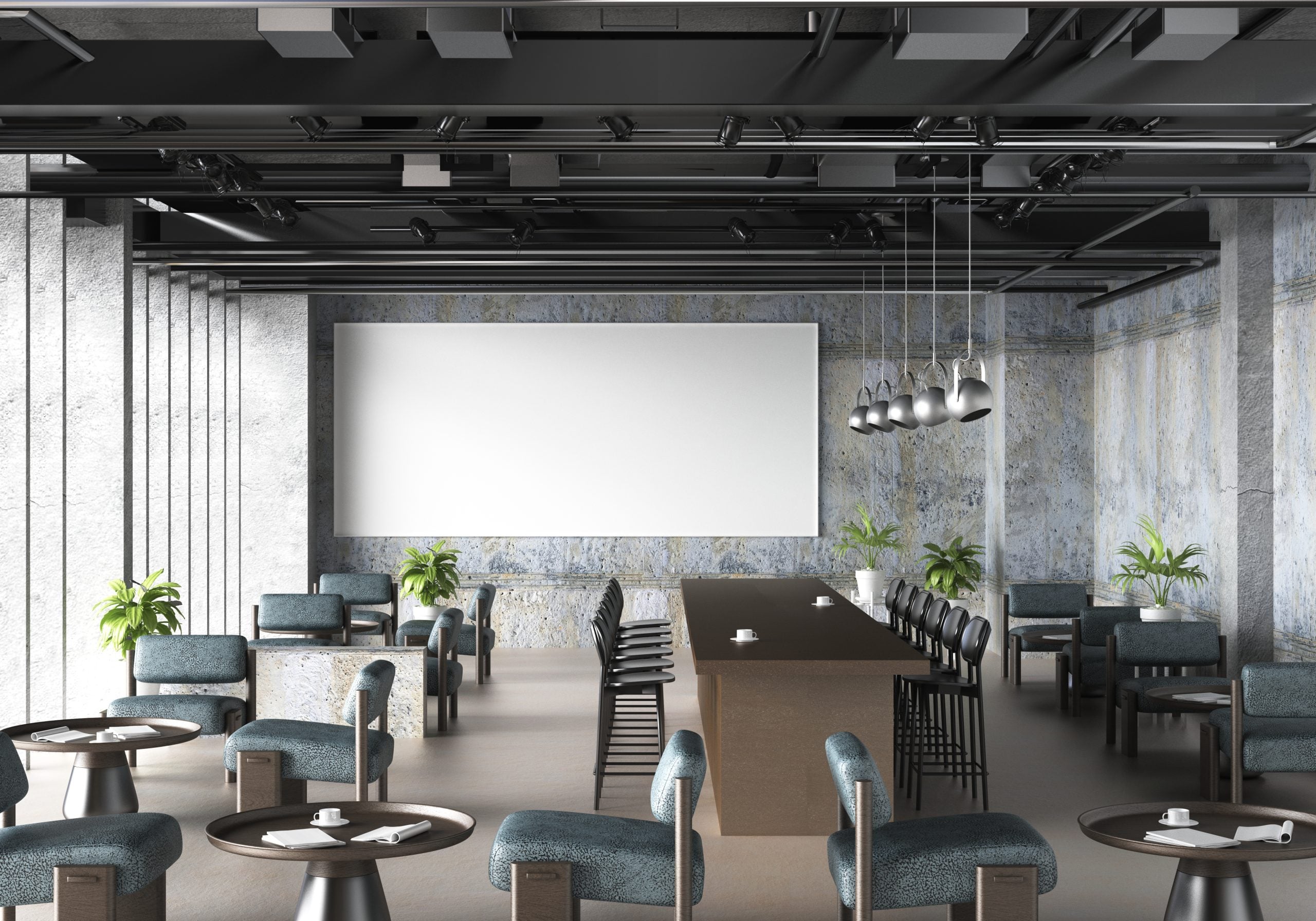
The most carefully planned corporate event can be derailed by AV infrastructure that wasn’t adequate for what the event required, and the derailment almost always happens publicly, during a presentation when the microphone cuts out, during a video segment when the display quality makes the content unreadable, during a hybrid session when the remote participants can’t hear the room and the room can’t hear the remote participants. Those moments are recoverable in the sense that the event continues, and they’re not recoverable in the sense that the professional credibility of everyone associated with the event has absorbed a visible failure that the rest of the day’s content has to work against.
The AV infrastructure conversation is the one that most event planners have too late in the venue selection process, after the date has been held and the contract is close to being signed, at which point discovering that the venue’s technical capability doesn’t match the event’s requirements produces either a compromise or an expensive external production company engagement to supplement what the venue can’t provide.
What AV Infrastructure Encompasses Beyond the Screen and the Microphone
A corporate event space in Tampa whose AV infrastructure was genuinely designed for corporate events provides more than a projector and a wireless microphone. It provides the full technical environment that different corporate formats require, and those requirements vary enough between event types that a venue’s infrastructure that serves one format well may serve another format poorly.
Audio infrastructure in a well-equipped corporate space covers the full room with consistent coverage that doesn’t produce the volume variation between the front row and the back row that poorly designed or inadequately powered speaker systems create. Microphone infrastructure includes enough wireless channels that a panel discussion with four speakers, a moderator, and audience questions can be managed without the single roving microphone that creates the choreography problem where every audience question requires someone to walk to the questioner before the response can begin.
Display infrastructure in a serious corporate venue provides screen size and display brightness that’s calibrated to the room dimensions and the lighting conditions the room will be used under, not the lighting conditions of an empty room on a venue tour. A screen that’s perfectly readable in a dimmed empty room may be inadequate when the room has sixty people in it and the event lighting is at operational rather than demonstration level.
How Connectivity Underpins Every Other Infrastructure Element
The network connectivity that a corporate Tampa event space provides determines what’s possible for events that include digital components, which describes the majority of corporate events in any format. A hybrid event format that includes remote participants needs bandwidth that the venue’s infrastructure can deliver consistently under the load that simultaneous video conferencing, presentation streaming, and general attendee device use creates. A venue that quotes its internet connection speed without specifying how that bandwidth is distributed across users and what the realistic performance is under event load is quoting a number that doesn’t describe the experience the event will actually produce.
The connectivity conversation also covers how the venue’s network infrastructure is separated between event production and attendee use, because the bandwidth consumed by attendee devices on an unsegmented network can affect the production quality of the event’s hybrid components in ways that aren’t apparent until the hybrid session is running and remote participants are reporting that the stream is dropping.
What Backup Infrastructure Reveals About Venue Quality
The AV infrastructure quality of a corporate event space is most accurately assessed not by what it provides when everything works but by what it has available when something doesn’t. A venue with backup display capability that can be deployed quickly when a primary projector fails, redundant microphone channels that allow a failed unit to be replaced without interrupting the programme, and a technical team that’s experienced enough to manage those situations without making them more visible than they need to be, is a venue whose infrastructure was built around the reality of corporate events rather than the ideal version of them.
The question worth asking during a venue evaluation isn’t only what the AV infrastructure includes. It’s what happens when a specific component fails and how the venue’s team manages that situation, because the answer describes both the technical redundancy and the operational competence that determine whether a technical problem becomes a visible event failure or a smoothly managed transition that most attendees never notice.