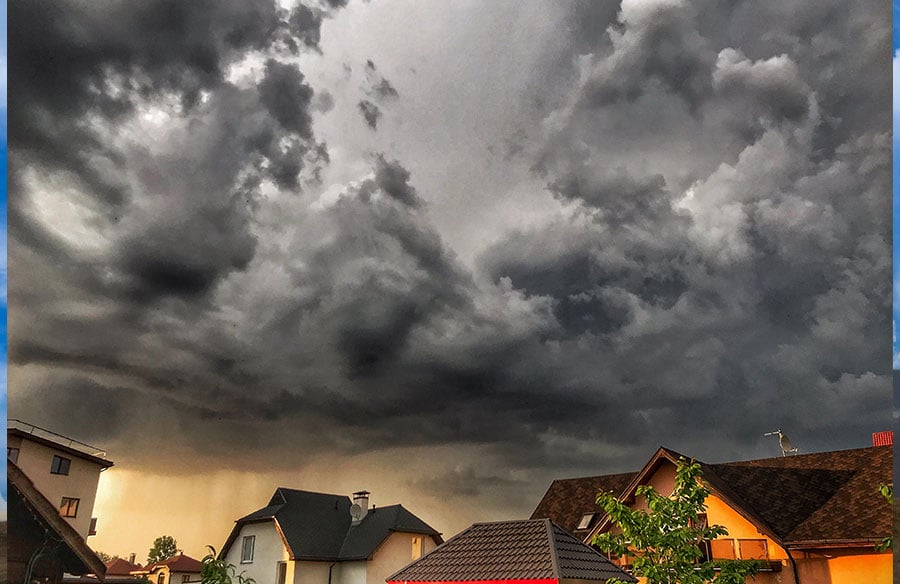
A severe storm can leave a homeowner with more questions than answers. Once the weather settles, it becomes difficult to know what deserves attention first. A roof may look intact, yet another part of the property could need immediate care. That uncertainty can lead to delays when quick action matters most.
For homeowners dealing with storm damage Omaha properties, a clear plan can make all the difference. The right response helps protect the home and keeps repair costs under control. It also brings peace of mind during a situation that can feel overwhelming. This article breaks down the first steps homeowners should take after severe weather.
1. Check For Visible Roof Damage In Omaha
After severe weather moves out of the area in Omaha, the roof deserves immediate attention. It serves as the first layer of protection against rain, wind, and debris. Missing shingles, damaged flashing, or displaced sections can expose vulnerable parts of the structure. A timely inspection helps identify roof damage early and protects the underlying roof decking from further deterioration.
2. Look For Hidden Signs Around Siding And Gutters
Once the roof receives attention, the next step involves a closer look at the home’s exterior features. Siding and gutters help direct water away from the structure and support the building envelope. Hail impacts, loose panels, and damaged gutter sections can compromise that protection. Early identification of these problems helps prevent moisture-related issues that may develop over time.
3. Address Water Entry Right Away
Even minor exterior damage can create pathways for unwanted moisture. Water intrusion can affect walls, ceilings, insulation, and other interior materials without immediate notice. Discoloration, damp spots, and peeling paint can indicate that moisture has reached indoor spaces. Quick action helps limit further damage and reduces the likelihood of costly restoration work.
4. Schedule A Professional Storm Damage Assessment
A visual inspection can reveal obvious concerns, yet some forms of damage remain hidden. Professional assessments in Omaha provide a more complete understanding of a property’s condition after severe weather. Trained experts examine areas that may not show visible signs of deterioration.
Key Areas Examined During An Assessment
- Roof surfaces for hail impacts, damaged shingles, and weakened materials.
- Gutters and drainage systems for dents, separation, or reduced performance.
- Siding sections for cracks, loose panels, and weather-related deterioration.
- Interior areas for moisture intrusion, staining, and concealed structural concerns.
The information gathered during this process helps establish clear repair priorities. It also provides valuable documentation that supports future repair and insurance decisions.
5. Gather Information For The Insurance Claim
After the full extent of damage becomes clear, accurate documentation becomes extremely important. Detailed photographs and written notes help create a clear record of affected areas. Well-organized information allows insurance representatives to review the claim more efficiently. Strong documentation can also help prevent delays during the evaluation process.
6. Replace And Reinforce Damaged Areas
Once inspections and documentation are complete, attention can shift toward restoration. Damaged roofing materials, siding, gutters, windows, and interior components may require replacement. Quality repairs help restore structural integrity and improve long-term durability. Reinforcement of vulnerable areas helps reduce the risk of hidden storm damage in the months ahead.
The steps taken immediately after severe weather can influence the extent of future repairs. From roof inspections to proper documentation, each action plays a role in protecting the property. A proactive approach to storm damage in Omaha recovery can reduce long-term costs and help prevent hidden issues from becoming larger concerns. Work with a trusted storm damage restoration contractor to identify concerns early and restore lasting protection. A professional assessment can provide the clarity needed to move forward with confidence.