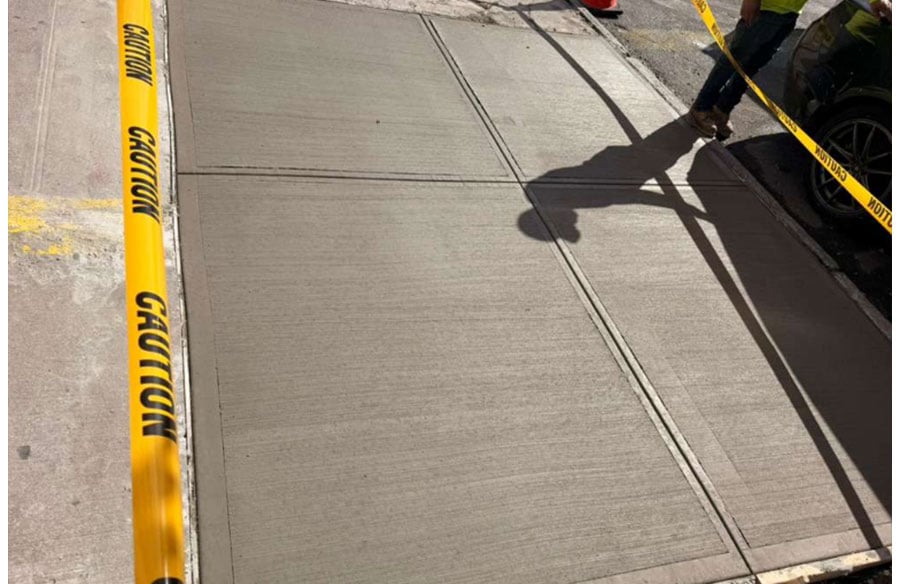
Sidewalks make up one of New York City’s largest public infrastructures. With years of foot traffic, shifting weather conditions, tree roots expanding, and busy construction vehicles, sidewalks can develop significant damage over time. Uneven sidewalks caused by cracks in the concrete, lifted sidewalk slabs, and buckling can cause trouble and danger for pedestrians.
Sidewalk maintenance is more than keeping your space looking nice. As a New York City property owner, you’re held responsible for the repair of your sidewalk and may be issued violation notice if your sidewalk isn’t up to mark with city regulations. By familiarizing yourself with the regulations, repair process, and the tools of the trade used by sidewalk contractors, you can make well-informed decisions when it comes to your sidewalk.
In this article, read how NYC sidewalk repair works, the rules you should know about as a property owner, and the tools used by contractors to safely and properly fix sidewalks.
NYC Sidewalk Repair Rules You Should Know
The City of New York has certain codes that cover sidewalk repairs. The owner of property adjoining a sidewalk must maintain the sidewalk in a reasonably safe condition.
There are some exceptions to this rule. One exception includes one-, two-, or three-family owner-occupied properties that meet certain legal requirements. If you own another type of residential or commercial property, you’ll likely be responsible for sidewalk repair.
NYC’s Department of Transportation enforces inspections and can issue violations to your property if they encounter certain defects on your sidewalk. You should take notice when you receive a violation.
Sidewalk Repair Process
Property owners have the option to repair their sidewalks by themselves or contract a professional sidewalk repair business to fix any problems. Aside from actually fixing the issue, repairing your sidewalk involves a few steps you should know about.
Notice of violation: NYC’s DOT will send you a notice of violation if they notice your sidewalk has defects that need to be tended to. You’ll receive instructions on how to make the necessary repairs to your sidewalk. If you’re unhappy with the decision, you can appeal the violations within 30 days of receiving it.
Apportionment: Once you receive your violation, the city will calculate your apportionment. The apportionment cost is the base fine the city will charge you for your violations. These costs are based on the number of linear feet of sidewalk that needs to be repaired.
Repair Work: If you decide not to appeal, you’ll be required to make the necessary repairs according to city standards. You can make the repairs yourself or hire a contractor.
After repairs are made, the city will conduct an inspection of your sidewalk to ensure they’re up to their standards. If you fail to make the required repairs by the deadline, you may be subject to additional fines.
Tips for Hiring a NYC Sidewalk Repair Contractor
When planning any sidewalk repair job, property owners should take the time to find and hire the right contractor. An inexpensive bid price might not offer the best value if subpar work requires adjustment or fails to meet DOT standards.
NYC based property owners should hire contractors based on their experience with DOT, understanding of sidewalk conditions throughout the city of NYC.
NY Vanta Contractors is one of the many contractors serving NYC property owners researching sidewalk and concrete repair. Property owners can gauge whether a given company is the right fit by examining its work history on similar projects, credentials/licenses/insurance, permitting process, and how it intends to complete work to NYC specifications.
Sidewalk Repair Equipment
Sidewalk contractors have an assortment of tools and equipment they use to make repairs. Here’s a few you should know:
Pourable Caulk
After sections of concrete are cut, contractors use a rubberized caulk to fill in the gaps where the new concrete will be poured.
Concrete Cutting Saw
Contractors use a variety of concrete saws to cut into concrete sidewalks when making repairs. There are gas-powered saws and electric models, and they’re commonly used to cut through pavement when contractors need to remove a section of concrete.
Concrete Crusher
When sidewalks need to be repaired, there are times when contractors will need to break apart concrete. A concrete crusher is a powerful motorized attachment that is typically mounted on top of a machine.
Glass Brushes
When making concrete repairs to sidewalks, cement can get everywhere. Contractors use squeegees and brushes to push any excess cement off the sidewalk.
Safety Equipment
Sidewalk contractors use safety equipment to help prevent injury to themselves and pedestrians when making repairs. Items like safety glasses, goggles, gloves, and knee pads are commonly used while working. Contractors also use flaggers, signs, and cones to safely direct traffic around a work zone.
Sidewalk Repair FAQ
1. Who pays for sidewalk repair in NYC?
Property owners are generally responsible for maintaining sidewalks adjacent to their property in NYC. As city law mandates property owners to ensure that sidewalks are free of hazards for pedestrians and repair any damages that occur, unless you’re a one-, two-, or three-family owner-occupied dwelling that qualifies for an exemption.
2. I got a sidewalk violation from NYC DOT. Now what?
Sidewalk violations include instructions on what needs repairing and by when. You can appeal the violation if it was done improperly. If not, or once the appeal is denied, you should plan to have the repair done by the deadline. You can accrue additional fines if the repair does not occur by then.
3. Can I repair the sidewalk myself?
If you’re skilled with concrete and have the proper tools, you can perform repairs yourself. Make sure you understand NYC regulations before getting started. Many property owners work with a contractor to ensure the job is completed properly.
4. What tools are used for repairing sidewalks?
The tools contractors use vary based on what they’re repairing. Some of the most common include concrete cutting saws to remove damaged sidewalks, concrete crushers, caulk, brushes, safety equipment, and traffic control devices.
5. Do I need a permit to repair sidewalks?
Yes, in most cases. Sidewalk repairs usually require a permit from NYC DOT. Check with the city or your contractor to see what permits you may need before beginning work.
6. Why should I repair my damaged sidewalk quickly?
If left untreated, damaged sidewalks can pose a safety hazard to pedestrians who walk by your property. You’ll also likely receive a violation from NYC DOT. Repairing the problem sooner can prevent it from getting worse and cut down on major repairs in the future.
Wrapping Up
Sidewalk repairs take time, the right equipment, and knowledge of NYC construction guidelines. The process of repairing sidewalks ranges from identifying trip hazards to researching permit requirements and cleaning the concrete slab that sits underneath the top layer of sidewalk.
Property owners who find themselves on the receiving end of a DOT violation or notice a crumbling sidewalk should take action. Remedying the problem with the help of a contractor familiar with NYC specifications can help ensure the job is completed correctly the first time.
Quality sidewalk repairs keep pedestrians safe when walking throughout neighborhoods and help improve the overall condition of adjacent areas.