Every older house eventually forces the same question. Is it worth fixing, or would it be smarter to start again? An earlier RTF essay argued the ethical side, the value of keeping what already exists. Architects, builders and inspectors tend to start from a narrower question. Which parts of this house are still doing their job?
The answer usually splits a house into three layers. There is the structure, there are the systems, and there are the surfaces people see and touch. Each layer ages at its own pace and costs a different amount to replace. A sound decision weighs them separately before adding them up.
Start With the Bones
The structure is the hardest layer to fix in place. Foundations, framing and the roof structure carry everything else. A cracked foundation, a sagging ridge or rotten sill plates can turn a renovation into a long repair job. Those problems are rarely visible from a walkthrough.
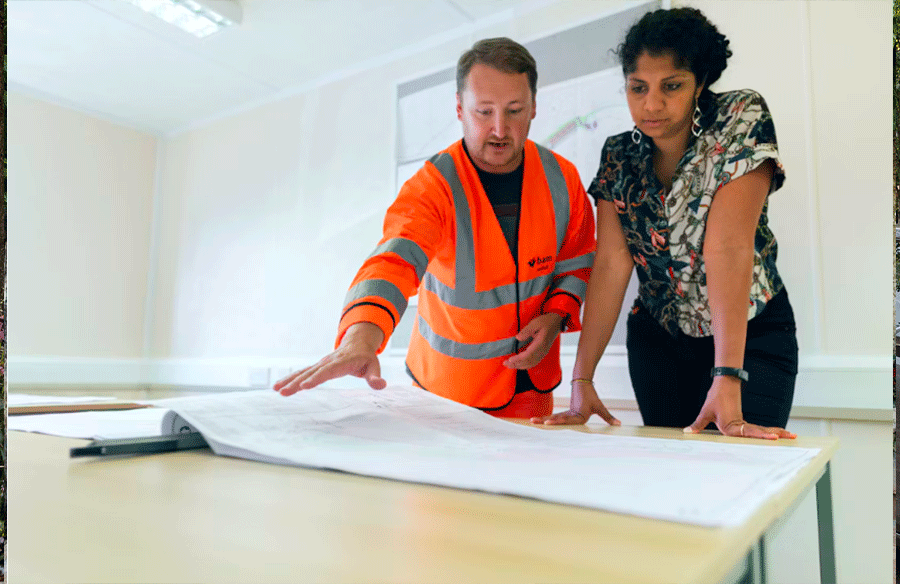
This is why professionals bring in an inspector or structural engineer before anyone draws a new kitchen. If the bones are sound, the case for renovating is strong. Most of the money then goes toward rooms people will actually notice. If the bones are failing, every later decision gets more expensive.
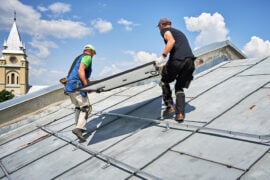
The envelope sits just outside the structure and deserves the same scrutiny. An aging roof, leaky windows or uninsulated walls all add cost to a renovation. None of them alone justifies a teardown. Together, on top of weak framing, they can shift the balance quickly.
Systems Are Often Replaced Either Way
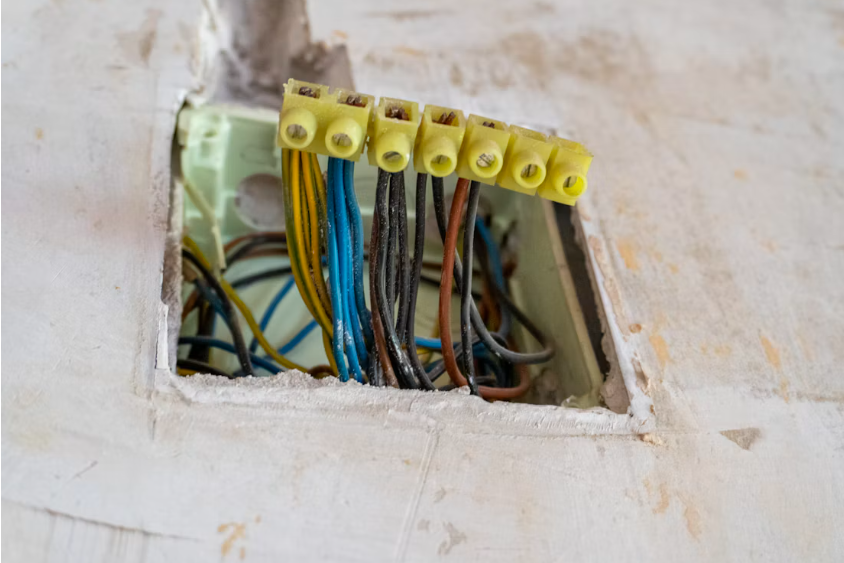 Wiring, plumbing and heating rarely decide the question on their own, even in very old houses. In a deep renovation they are often replaced anyway, so a new build does not save much there. What matters more is access.
Reaching old pipes and circuits means opening walls and ceilings. Once most of the walls are open, a renovation starts to behave like a rebuild in everything but name. It carries the cost of new work plus the limits of the old frame. Pros look for that tipping point early, before demolition reveals it for them.
Hidden Hazards Change the Budget
Older houses carry costs that never appear on a listing. Lead paint is the most common. The EPA estimates that about three-quarters of U.S. homes built before 1978 still contain some lead-based paint. Paid work that disturbs paint in those homes must be done by a lead-safe certified firm.
Asbestos is another possibility in older insulation, flooring and siding. Neither hazard makes a house unworthy of saving. Both need testing before demolition, because removal adds time and cost. A budget built without that testing is only a guess, however carefully it was priced.
When the Rules Decide for You
Sometimes regulations settle the question before taste enters it. In FEMA-mapped flood hazard areas, a 50 percent rule applies. If improvements cost half or more of the structure’s market value, the whole house must meet current floodplain standards. Land value does not count. That can mean raising the house, which often tips the math toward rebuilding.
Zoning can push the other way. Some older houses sit closer to a lot line than current rules allow. Depending on the town, keeping the existing structure may preserve a footprint a new build could not repeat. A conversation with the local planning office belongs at the start of the process.
Surfaces Are Where Saving and Spending Meet
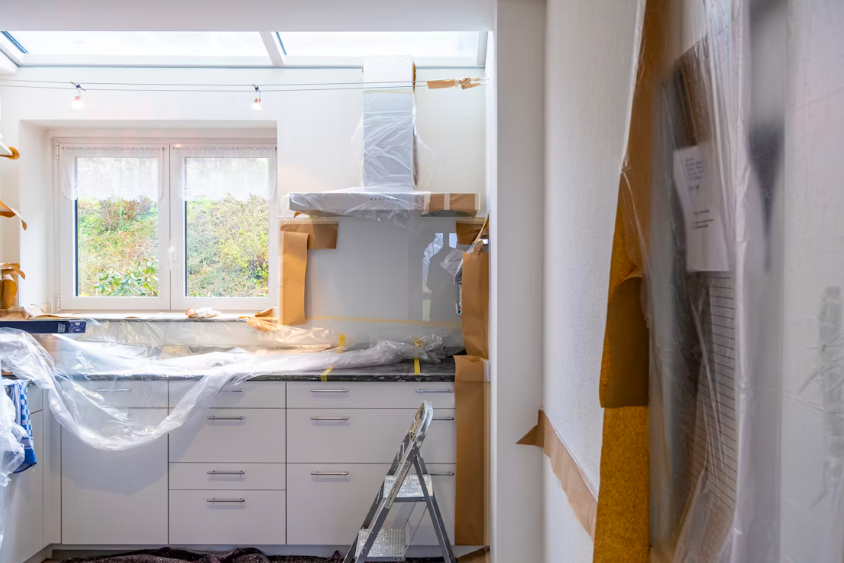 Finishes are the cheapest layer to change and the most emotional one. Professionals separate what has character from what is simply old. Original hardwood can often be sanded and refinished. Solid interior doors, trim and built-ins are worth a close look before they go in a dumpster.
Kitchens show the logic clearly. If the layout works and the cabinet boxes are solid, new doors, hardware and surfaces can change the room. That frees the budget for a lasting upgrade such as marble countertops, which bring natural stone into an older home. Marble is mostly calcite, so acids like lemon juice or wine can etch a dull mark. Sealing slows staining but does not stop etching. Owners who accept that patina often enjoy the stone for decades.
The broader point is to spend where it lasts. Money saved by keeping sound cabinets, floors or trim can go into fewer, better materials. A house that mixes honest old surfaces with a few well chosen new ones often feels settled. One where everything arrived at once rarely does.
Run the Numbers Honestly
A fair comparison counts more than construction cost. Demolition, permits, temporary housing and the time a new build takes all belong in the total. So does a contingency for what older walls might hide. Rising costs have tightened this math, as RTF noted in its look at how construction costs are reshaping residential design.
The lowest number on paper can turn into the highest one in practice. A renovation that hits a structural surprise can overrun badly. A rebuild that waits months for permits carries its own costs. Pros price both paths with the same level of detail before choosing.
What a Good Decision Keeps
Renovate or rebuild is rarely an all or nothing choice. Most good projects keep the layers that still work and replace the ones that do not. Sound bones, a workable layout and finishes with real character are worth saving. Failing structure, unreachable systems and unavoidable code upgrades argue for starting fresh. The house itself usually answers the question, once someone looks closely enough.