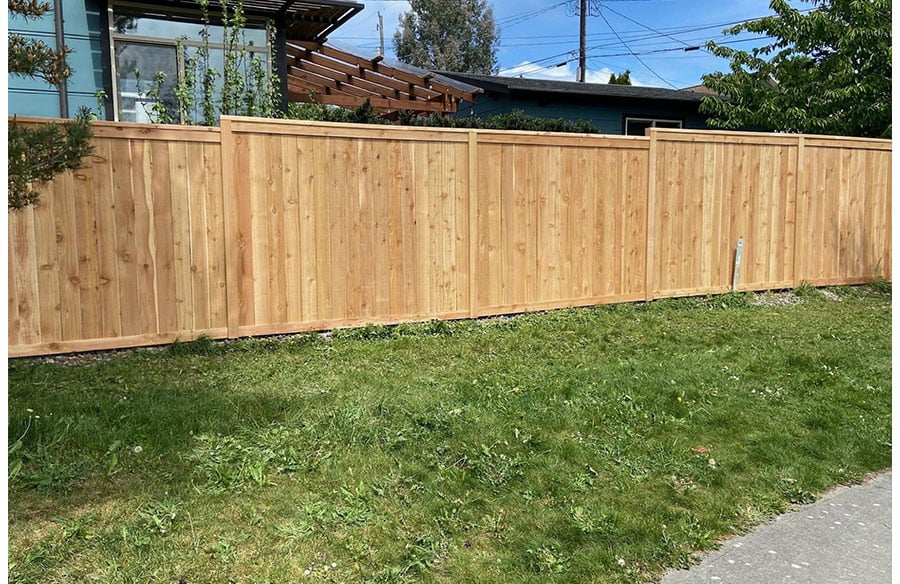
Illustrative stock image — not a photo of Rare Bears Fencing’s actual project.
Ornamental iron fencing has a look nothing else quite matches: crisp lines, a sense of permanence, and a profile that frames a property without hiding it. It is also metal standing outside in one of the rainiest metro areas in the country, which means it asks for a little attention to stay sharp. The good news is that modern powder-coated iron is far more forgiving than the raw wrought iron of old, and a simple seasonal routine keeps it looking new for years. Most of the work is inspection and cleaning, not repair. This is the routine that keeps ornamental iron fencing looking like the investment it is, season after Seattle season.
In architectural design, the boundary between built form and landscape is a critical interface. Ornamental iron fencing, with its blend of transparency and definition, offers a unique solution for delineating space while maintaining visual continuity. Its material quality and detailing contribute significantly to a property’s overall aesthetic and perceived value, much like other carefully chosen exterior finishes.
The spring walk-through
Start each year with a slow walk of the entire fence line in spring, after the worst of the winter weather has passed. You are looking for the early signs of trouble: small chips in the coating, usually at the base of pickets or where a string trimmer has nicked the finish; any orange or brown discoloration that suggests rust is starting under the coating; and loose or wobbly posts. Pay special attention to the bottom six inches of the fence, where splash-back from rain keeps the metal wettest, and to any section near sprinklers, which can concentrate minerals and moisture on the finish. Bring a notebook or take photos of anything suspicious. Catching a chip in April is a five-minute touch-up; catching it in October can be a rust patch that needs real work. This one walk-through is the highest-value maintenance task on the list.
Cleaning without damaging the finish
Iron fencing does not need aggressive cleaning. A garden hose rinse each spring removes the winter’s layer of grime, pollen, and road film, and a soft cloth or sponge with mild dish soap handles anything the hose leaves behind. Work from the top down so dirty water does not run over clean sections. Avoid pressure washers on a high setting, because a focused jet can chip powder coating or force water into small gaps at welds and joints. The same goes for abrasive pads and wire brushes, which will scratch the finish you are trying to protect. If you see white, chalky residue on the coating, that is usually oxidation of the finish itself from sun and weather, and gentle cleaning followed by a coat of automotive or metal wax can restore the sheen. Clean it on a dry day so it dries quickly, and never clean it right before rain if you can avoid it.
Touching up chips before they rust
Chips are inevitable, and they are not a crisis, as long as you treat them promptly. The routine is simple: clean the area, let it dry completely, lightly sand any rough edges or surface rust with fine sandpaper, wipe away the dust, and apply a rust-inhibiting primer followed by a matching exterior metal paint. Keep a small touch-up kit with your fence color so you are not hunting for a match when you find a chip. The critical rule is to never paint over active rust without removing it first, because the rust continues to grow underneath and will bubble the new paint within a season. For chips at welds and joints, take extra care, since moisture loves to collect in crevices. If you find an area where the coating is peeling in sheets rather than chipping in spots, that suggests a prep or adhesion problem, and it is worth having a professional look at it rather than chasing it with touch-up paint.
Hardware, hinges, and gates
The fence panels get the attention, but the hardware does the work. Once a year, check every hinge, latch, and lock on your gates. Hinges should swing freely without grinding; a drop of exterior lubricant on the pivot points keeps them quiet and prevents wear. Latches should engage fully and hold the gate closed against wind. If a gate is sagging, adjustable hinges can often correct it in minutes, which is much better than letting a dragging gate grind its finish off against the latch post. Check the fasteners too. Bolts and screws on iron fencing are usually coated or stainless, but if you spot rust streaks running down from a bolt head, that fastener needs attention before it stains the panel below it. Gate hardware lives a harder life than the fence itself, so it deserves its own minute or two during your spring walk-through.
Ground contact and drainage
The bottom of the fence is where weather does its worst work, so manage what happens at ground level. Keep soil, mulch, and bark from piling against its base, because constant contact with damp organic material keeps the metal wet and accelerates coating breakdown. Trim grass and weeds back from the fence line so air can circulate and the base dries between rains. If a section of it sits in a low spot where water ponds after storms, consider regrading that small area or adding drainage, because standing water is the fastest route to rust. Downspouts that discharge toward or onto it should be redirected. These are landscaping tasks more than fence tasks, but the fence pays the price if they are ignored. A dry base is a happy base, and most of this is a one-time fix, not an annual chore.
These considerations extend beyond simple maintenance, touching on fundamental principles of landscape architecture and site management. Proper grading, drainage, and plant selection around any exterior structure are essential for preventing moisture-related damage and ensuring the longevity of materials. Integrating these elements thoughtfully from the outset contributes to a more resilient and aesthetically pleasing outdoor environment.
When to call a professional
Most iron fence maintenance is firmly in the homeowner category, but some jobs belong to a pro. Widespread coating failure, structural rust that has thinned the metal, posts that have shifted or loosened in their footings, and gate frames that are bent or cracked all need professional assessment. A reputable installer can tell you honestly whether a section can be refinished in place or needs to come out for shop work. If your fence is still under a workmanship warranty, check the terms before doing anything beyond cleaning and touch-ups, since some warranties have specific maintenance requirements. The team at Rare Bears Fencing can evaluate iron fencing that has seen better years and give you a straight answer on repair versus replacement. Knowing the difference between a touch-up and a rebuild is exactly what experience is for, and a short professional visit every few years is cheap insurance on a fence that should last decades.
A routine, not a project
Ornamental iron in Seattle does not demand constant care. It asks for one thoughtful walk-through each spring, a gentle cleaning, prompt touch-ups on chips, an eye on the hardware, and dry conditions at the base. Do that and it keeps the crisp, formal look that made you choose it, year after year. Neglect it and the weather will do what weather does. The routine takes an afternoon at most, and it is the difference between a fence that ages gracefully and one that ages visibly.