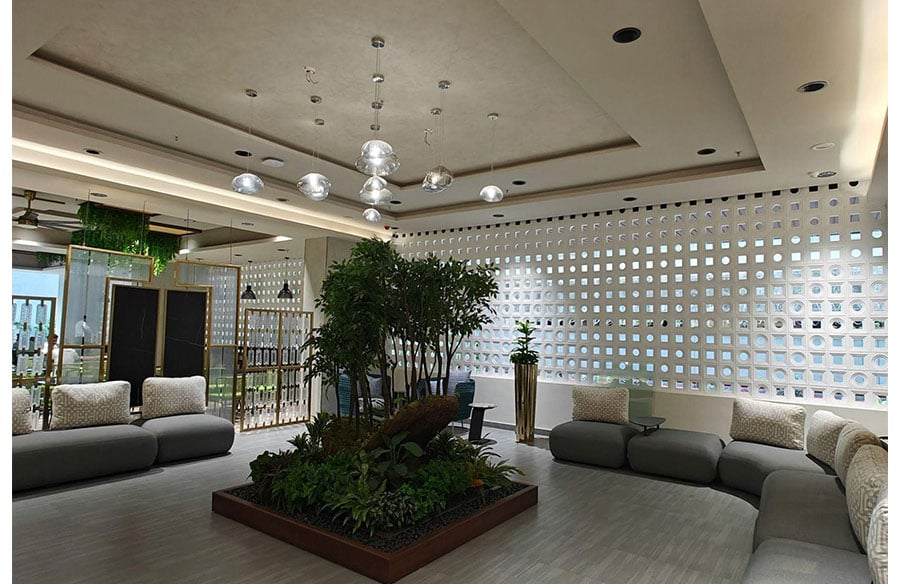
Luxury living has traditionally been associated with spacious interiors, designer furniture, expensive finishes, and impressive architectural details. However, modern homeowners are increasingly embracing a different concept of luxury, one that emphasizes natural surroundings, personal comfort, and meaningful connections with the environment.
Indoor gardening has emerged as an important part of this transformation. From carefully arranged tropical plants to sophisticated indoor growing systems, greenery is becoming a central feature of contemporary residential design. Plants are no longer treated merely as decorative accessories placed beside furniture or windows.
Instead, they are influencing how rooms are organized, how people use their living spaces, and how homeowners approach everyday wellness.
The growing popularity of indoor gardens reflects a wider movement toward personalized homes that combine aesthetic appeal with practical enjoyment. This approach allows residents to introduce natural beauty into their surroundings regardless of outdoor space limitations.
Indoor Growing Spaces Are Becoming Part of Wellness Culture
Indoor gardening increasingly appeals to homeowners interested in combining attractive interiors with personally rewarding activities. Caring for plants creates opportunities to develop practical skills, observe natural processes, and enjoy a hobby within the comfort of home.
Beyond traditional houseplants, some enthusiasts are exploring controlled indoor cultivation of edible plants and specialty mushrooms. Lion’s mane mushrooms, recognized for their distinctive cascading appearance, have attracted attention among people interested in functional foods and emerging nutritional research.
Indoor cultivation is expanding beyond ornamental plants as homeowners explore edible mushrooms and other specialty growing projects. Lion’s mane mushrooms have become especially interesting because of their distinctive appearance and their growing presence in discussions about functional foods. Consumers exploring lion’s mane benefits for brain can discover information about this mushroom, its nutritional characteristics, and ongoing scientific interest in its compounds. For indoor gardening enthusiasts, learning about suitable growing conditions adds another fascinating dimension to a personalized home garden.
For indoor gardening enthusiasts, cultivating suitable edible species can also introduce an educational dimension to their hobby. Learning about humidity, growing conditions, and harvesting methods encourages curiosity and experimentation.
This combination of nature, creativity, and personal interests is helping redefine what homeowners consider a luxurious living experience.
Living Walls Are Transforming Contemporary Interior Design
One of the most visually striking developments in indoor gardening is the growing popularity of vertical gardens. Also known as living walls, these installations allow plants to grow across specially designed vertical surfaces.
In modern homes, living walls can become dramatic architectural features that replace conventional artwork or decorative wall coverings.
Designers may incorporate them into entrance halls, spacious living rooms, or transitional areas connecting different parts of a property.
The visual impact depends on plant selection, lighting, and the overall interior design. Different shades of green, varied leaf shapes, and contrasting textures can produce attractive compositions.
However, successful installations require appropriate irrigation, drainage, and maintenance access.
Homeowners should also consider available natural light and humidity conditions before choosing particular species.
When properly designed, living walls introduce distinctive natural character while maintaining the clean architectural appearance often associated with contemporary luxury interiors.
Dedicated Garden Rooms Offer a New Kind of Private Retreat
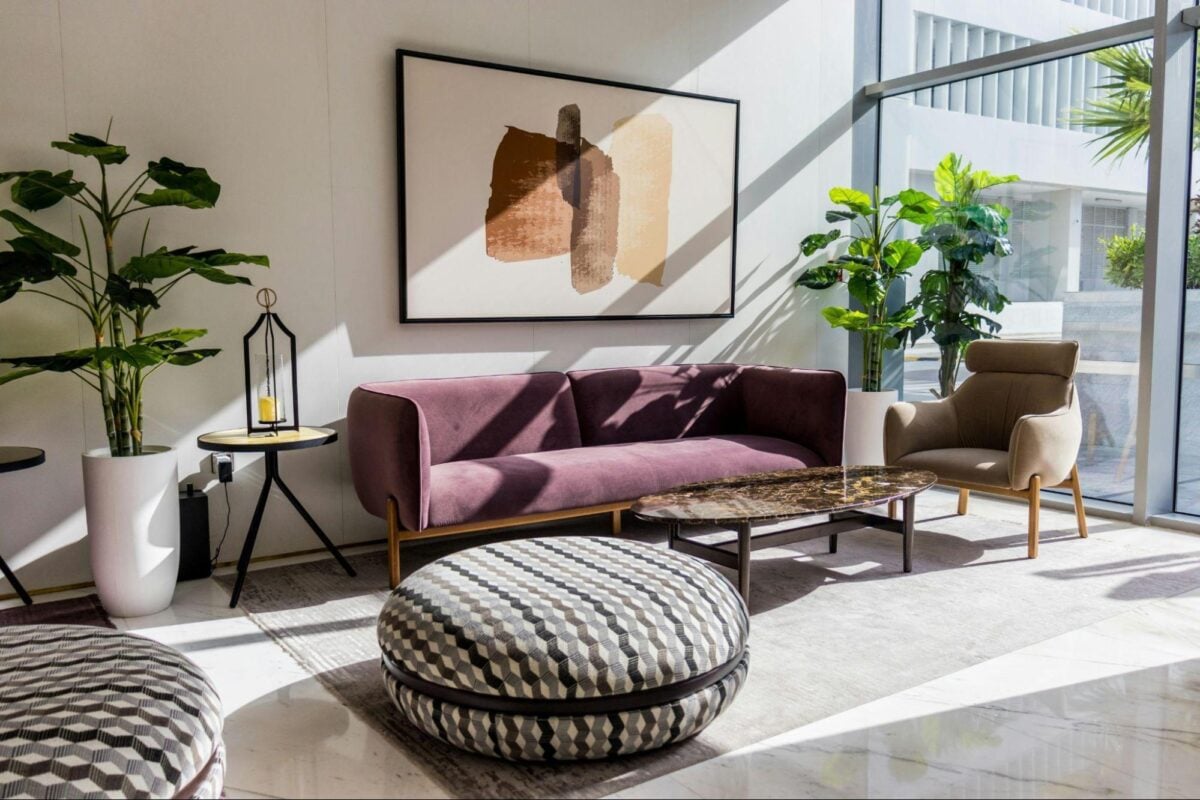 Luxury properties increasingly feature rooms designed around specific interests, including libraries, fitness studios, and entertainment spaces. Indoor garden rooms offer another possibility by creating areas devoted to plants and quiet recreation.
These environments may include comfortable seating, generous windows, decorative planters, and carefully organized growing displays.
Unlike traditional conservatories, contemporary garden rooms can be incorporated into existing interiors without requiring an entirely separate glass structure.
A bright corner of a living room or an unused sunroom may provide a suitable starting point.
Homeowners often combine greenery with natural materials such as wood, stone, and woven fabrics to create a harmonious atmosphere.
The objective is to establish a pleasant destination for reading, conversation, or simply enjoying a change of surroundings.
By dedicating space to an activity they genuinely enjoy, residents create a form of luxury centered on personal experience rather than expensive decoration alone.
Smart Technology Is Making Indoor Gardening More Accessible
Maintaining an indoor garden once depended heavily on careful manual observation. Although traditional gardening skills remain valuable, modern technology offers additional tools for managing growing conditions.
Automated irrigation systems can distribute measured amounts of water, while programmable grow lights help provide consistent illumination where natural sunlight is limited.
Environmental sensors may also monitor temperature, humidity, and soil moisture, allowing homeowners to identify changing conditions more easily.
These technologies are particularly useful for people maintaining larger plant collections or traveling frequently.
However, automation does not eliminate the importance of understanding individual plant requirements. Different species need different watering schedules, light levels, and growing environments.
The most effective systems combine convenient monitoring with informed plant care.
For luxury homeowners, smart gardening technology offers a way to integrate natural elements into contemporary interiors without sacrificing the convenience associated with modern residential design.
Rare Plants Are Becoming Statement Pieces in Luxury Homes
Collectors have long appreciated unusual artwork, antique furniture, and distinctive decorative objects. Increasingly, rare and visually striking houseplants are becoming part of similar conversations about interior design.
Large tropical specimens, unusual foliage patterns, and sculptural plant forms can serve as focal points within carefully furnished rooms.
A mature indoor tree may create an impressive feature in a double-height living area, while smaller collectible plants can become highlights on decorative shelving.
Presentation contributes significantly to their appearance. Carefully selected containers, attractive stands, and suitable lighting help plants complement surrounding furniture.
However, rarity does not automatically make a plant appropriate for every household.
Homeowners should consider growth habits, maintenance requirements, and available space before investing in demanding specimens.
A healthy, well-positioned plant often makes a stronger decorative impression than an expensive variety struggling in unsuitable conditions.
Indoor Gardens Reflect a More Personal Definition of Luxury
The growing interest in indoor gardening reveals an important shift in residential design. Homeowners are increasingly choosing features that support individual hobbies and everyday enjoyment rather than focusing exclusively on visual impressions.
An attractive plant collection can develop gradually, allowing residents to experiment with different arrangements and discover which species thrive in their homes.
Gardening also introduces a changing element into interiors. Plants grow, produce new leaves, and respond to seasonal conditions, creating environments that evolve naturally over time.
This makes indoor greenery different from conventional decorative objects, whose appearance usually remains unchanged.
Ultimately, modern luxury living is becoming more closely associated with comfort, individuality, and meaningful experiences.
Indoor gardens combine these qualities by introducing natural beauty, creative opportunities, and a personal connection with living surroundings.
Whether through a sophisticated vertical garden or a carefully arranged collection of houseplants, greenery is helping transform contemporary homes into spaces that feel both elegant and genuinely enjoyable.