Bed bugs are one of the few household pests that inspire real dread, and most of that dread comes from not knowing. People find a bite, spiral for a week, and either panic over nothing or ignore an actual infestation until it is established. After years of inspecting bedrooms across the Sacramento area, I can tell you the truth is usually knowable early, if you know where to look.
Bites are the worst first clue
Everyone wants to start with the bites, and bites are the least reliable evidence there is. Reactions vary wildly from person to person. One partner wakes up covered in welts while the other, sleeping in the same bed, shows nothing at all. Bites can also come from fleas, mosquitoes, or a skin reaction that has nothing to do with pests. A bite tells you to look closer. It does not tell you what you have.
Look for what they leave behind
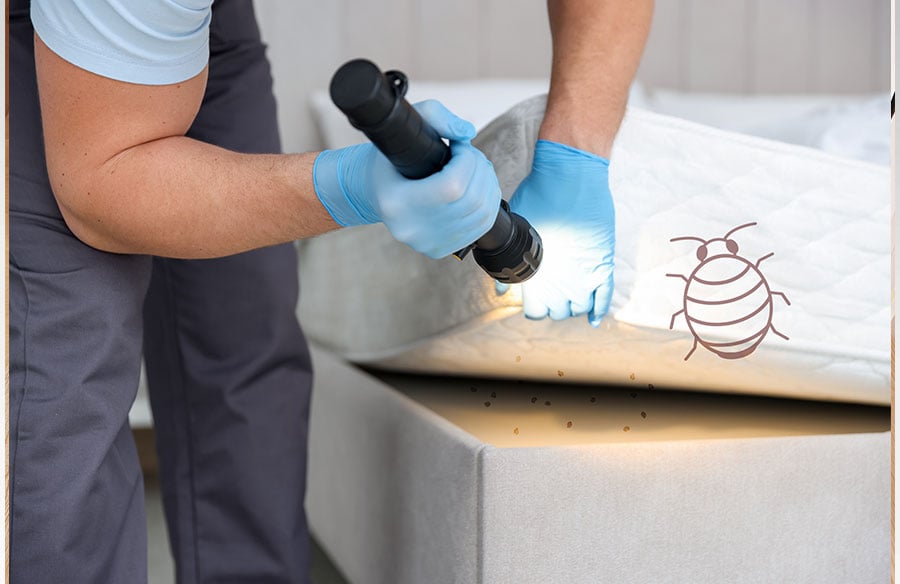
The real evidence is physical, and it collects in the same few places. Strip the bed and check the seams and piping of the mattress, the box spring, and the crevices of the frame. You are looking for small dark spots that look like someone touched a felt-tip pen to the fabric, which is digested blood. You may also find pale shed skins, or the bugs themselves, flat, reddish-brown, and about the size of an apple seed. Bring a flashlight and check the headboard where it meets the wall, because that is prime real estate for them.
The careful inspection of furniture joints, fabric seams, and wall interfaces highlights how intimately pest management intersects with interior design and material science. Understanding these common harborage points can even inform furniture selection and room layout, prioritizing ease of inspection and treatment in residential and hospitality spaces.
Understand how they travel
They do not signal anything about how clean a home is, a myth that keeps people from acting out of embarrassment. They are hitchhikers. They come home in luggage after a trip, in a used couch, in a bag set down in the wrong place. That is worth knowing because it points to where an infestation starts and how to catch it, near where people sleep and sit, not in the kitchen or the garage. If you travel often or buy secondhand furniture, a quick inspection habit is cheap insurance.
The movement of pests through luggage and secondhand items underscores the importance of material durability and maintenance in design. From the choice of upholstery to the construction of travel accessories, design decisions can inadvertently create vulnerabilities or build resilience against such common household challenges.
If your own check turns up dark spotting, shed skins, or a live bug, that is the point to bring in a professional. A false alarm is a relief, and a real find is far easier to handle early, which is exactly what a proper bed bug treatment in Sacramento is built to sort out, before a small problem becomes a whole-home one.
Do not start throwing things away
The instinct when people confirm an infestation is to haul the mattress to the curb and bomb the room with store-bought spray. Both usually make things worse. A discarded mattress dragged through the house can seed bugs in new rooms on the way out, and over-the-counter foggers tend to scatter an infestation into wall voids and adjacent rooms rather than kill it. These pests are genuinely hard to treat well, which is the one pest where the do-it-yourself route most often fails and costs more in the end.
Contain it while you sort it out
Between finding them and treating them, a few simple moves keep an infestation from spreading. Do not start sleeping in a different room, because that just invites the bugs to follow you and colonize a second space. Keep bagging clothes and bedding, and run what you can through a hot dryer, since heat is one of the few things that reliably kills them at every life stage. And stop bringing new soft items into the affected room until it is handled. The idea is to hold the line, not to fight it blind.
What actually resolves it
Real treatment is methodical. It means a thorough inspection to map where they are, a targeted plan that reaches the harborage points instead of just the surfaces, and a follow-up visit, because eggs the first pass cannot reach will hatch. Ask any company you call how they handle that second round, since a single treatment rarely finishes the job. Catch them early, resist the urge to improvise, and these pests go from a nightmare to a manageable, solvable thing.