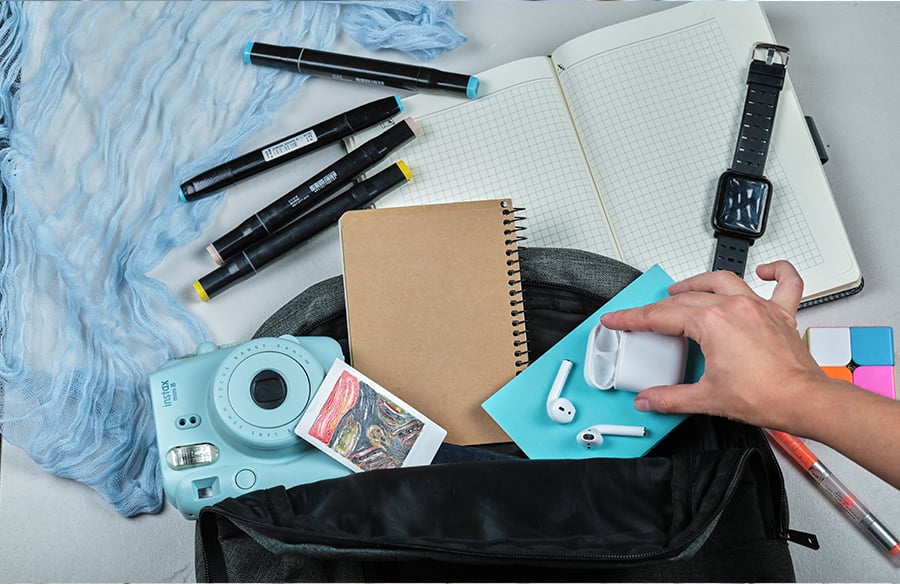
Conference packs receive more planning attention than attendee attention. Organisers fill a bag because an empty one looks unfinished, then discover untouched inserts after the final session. A useful pack begins with the attendee’s day. Every item should solve a likely need or support what happens in the room.
Start with the event journey. Consider arrival, long sessions, movement between rooms and the trip home. You’ll spot practical gaps quickly. The pack can help people carry material and take notes. It can also put key information within reach. Keep it light enough to carry all day.
When selecting conference promotional products, set a job for each product before you compare designs. If two items solve the same problem, choose the stronger one. A smaller pack with clear purpose usually feels more considered than a bag full of unrelated stock.
Work Backwards From the Schedule
Read the programme as an attendee. An early networking session may need name identification that remains readable across a table. A workshop could require writing material. An outdoor transfer changes what people may need during the day.
List each requirement and decide whether the venue already provides it. There’s little value in supplying a duplicate. Ask speakers and facilitators what their sessions require before the order is locked.
Check venue rules before you finalise the contents. Some locations restrict outside food or glass bottles. A pack that conflicts with security arrangements creates avoidable work at registration.
Give the Bag a Life After the Venue
The bag often carries the largest branding area, yet its value depends on later use. Check strap comfort, closure, weight and capacity with the actual pack inside. Then remove the contents and judge whether the bag still works for work or weekend use.
Branding affects that second life. Large event dates can make a bag feel expired as soon as the conference ends. A restrained organisation mark or broader campaign idea may travel for longer.
Make Information Easy to Use
Printed material should earn its weight. Keep the quick-reference pieces people need on the day, such as a simple venue map or session card. Longer speaker biographies and sponsor detail can live on an accessible event page.
Use a short URL alongside any QR code because some attendees will prefer to type the address. Test every link before the files go to print. Name one person who can update the destination if the programme changes.
Build Accessibility Into the Pack
The Australian Human Rights Commission’s guide to accessible and inclusive meetings and events encourages organisers to ask participants about accessibility requirements and provide information in accessible formats. Apply that thinking to the pack itself.
Use readable type and strong contrast on printed pieces. Keep the bag manageable for people who have limited strength or mobility. Offer digital versions in advance and make alternative formats available. These choices belong in early event planning. Registration is too late for an urgent fix.
Keep Sponsor Branding Under Control
Sponsors deserve agreed visibility, though covering every surface with logos can reduce the chance of later use. Set branding rules before assets arrive. Define which item carries each mark and how much space is available.
A shared insert can handle several sponsor acknowledgements and leave practical products clean. Get final artwork approved against a deadline. Late logos create production risk and can weaken the visual hierarchy of the pack.
Test the Complete Pack
Assemble one finished pack and carry it around for an hour. Check its weight, how the straps sit, whether sharp corners catch and whether bottles or folders fit properly. Open each item in the order an attendee would encounter it.
This rehearsal can expose packaging waste and confusing instructions. It also gives registration staff a chance to understand the contents before attendees ask questions.
Learn From What Comes Back
After the event, count leftover stock and note which items were abandoned. Ask a small sample of attendees what they used during the day and what travelled home. Staff observations can add useful context.
Feed those findings into the next event brief. Relevance and comfortable design give a pack a second life. Restrained branding helps too. If every item supports the attendee, fewer products need to fight for space once the conference is over.