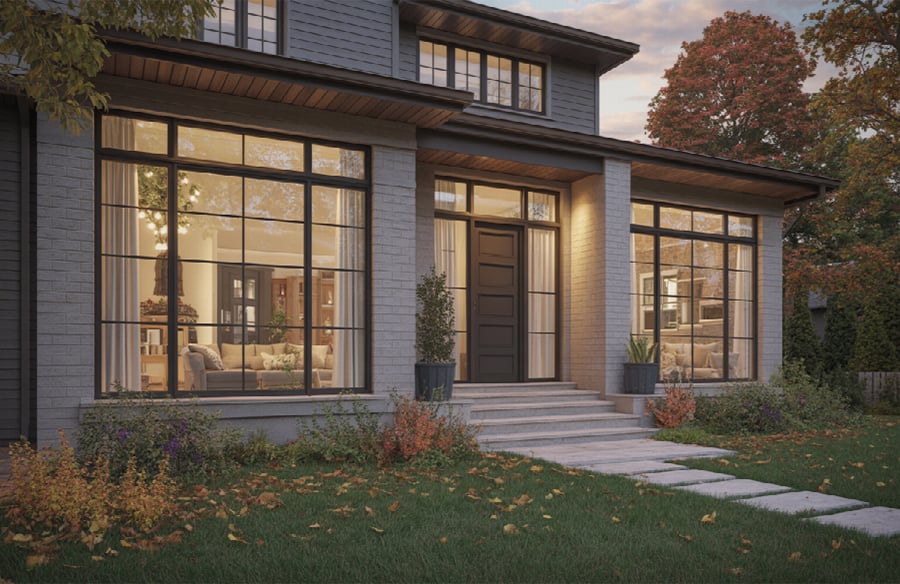
In Whitehall, Pennsylvania, where seasonal temperature swings can strain both comfort and utility budgets, the quality of a home’s windows plays an outsized role in livability. Poorly insulated or aging windows don’t just compromise aesthetics—they create drafts, drive up heating and cooling costs, and diminish a property’s overall value. For homeowners considering upgrades, understanding the interplay between window performance, material choice, and complementary exterior elements like doors and siding is essential to making informed decisions that pay dividends for years.
The right windows do more than frame a view. They regulate indoor climate, reduce noise pollution, and contribute to a home’s architectural character. When paired with thoughtful choices in doors, siding, and even flooring, they form the backbone of a well-designed, energy-efficient living space. This article examines the key considerations for homeowners in Whitehall looking to elevate both form and function through strategic home improvements.
Choosing Windows and Doors: Material, Style, and Performance
Selecting windows and doors involves balancing aesthetics, durability, and thermal performance. The material you choose—vinyl, aluminum, or wood—affects not only the look of your home but also its energy profile and maintenance requirements. Vinyl offers low upkeep and solid insulation at a moderate price point. Aluminum provides sleek, modern lines and exceptional strength, though it conducts heat more readily. Wood delivers unmatched warmth and traditional appeal, with superior insulating properties when properly maintained.
Style matters, too. Double-hung windows suit colonial and craftsman homes, while casement windows excel in contemporary designs and offer excellent ventilation control. Sliding windows work well in ranch-style homes where horizontal lines dominate. According to research from the U.S. Department of Energy, energy-efficient windows can reduce household energy bills by 7-15% annually, making the upfront investment in quality products a financially sound decision.
When evaluating options, homeowners should consider:
- Material durability: Vinyl resists moisture and requires minimal maintenance; wood demands periodic refinishing but offers superior insulation; aluminum withstands harsh weather but may require thermal breaks to improve efficiency.
- Architectural compatibility: Match window style to your home’s design language—traditional, transitional, or modern—to maintain visual coherence.
- Energy ratings: Look for ENERGY STAR certification and low U-factors, which indicate better insulation and reduced heat transfer.
These considerations extend to entry and patio doors as well. A well-insulated door with quality weatherstripping can prevent significant heat loss, while impact-resistant glass options enhance security and storm protection.
The Case for Wood Windows in Whitehall
Wood windows remain a preferred choice among Whitehall homeowners who value both aesthetics and performance. The natural grain and texture of wood bring warmth and character that synthetic materials struggle to replicate. Beyond appearance, wood’s cellular structure provides excellent thermal resistance, helping maintain stable indoor temperatures even during Pennsylvania’s coldest months.
Modern wood windows incorporate advanced treatments and finishes that resist moisture, rot, and insect damage—addressing historical concerns about durability. Manufacturers now offer clad-wood options that combine wood interiors with aluminum or vinyl exteriors, delivering the best of both worlds: the beauty of wood inside and low-maintenance protection outside. For homeowners committed to sustainability, wood also stands out as a renewable resource with a lower carbon footprint than vinyl or aluminum production.
The energy-saving potential of wood windows is well-documented. Their natural insulating properties reduce reliance on heating and cooling systems, translating to lower utility bills and a smaller environmental footprint. In a region where winter heating costs can be substantial, this efficiency gain is more than theoretical—it’s a practical advantage that compounds over the lifespan of the windows.
Siding Trends: Durability Meets Design
Exterior siding has evolved significantly in recent years, with homeowners in Whitehall increasingly prioritizing materials that combine longevity, low maintenance, and aesthetic flexibility. Fiber cement has surged in popularity due to its resistance to fire, insects, and rot, along with its ability to mimic the look of wood without the upkeep. Vinyl siding continues to appeal for its affordability and color variety, while natural wood siding attracts those seeking authentic texture and curb appeal.
According to the 2023 U.S. Houzz & Home Study, homeowners are increasingly selecting siding materials that improve energy efficiency and weather resistance, reflecting a broader shift toward sustainable, performance-driven home upgrades. This trend aligns with growing awareness that exterior materials directly impact heating and cooling costs, particularly in climates with significant seasonal variation.
Modern siding options also offer enhanced installation techniques that improve air sealing and moisture management—critical factors in preventing mold, rot, and structural damage. When coordinated with high-performance windows and doors, quality siding creates a comprehensive thermal envelope that maximizes comfort and minimizes energy waste.
Window Screen Repair: Professional vs. DIY
Window screens endure constant exposure to weather, UV radiation, and physical wear. Over time, tears, bent frames, and loose mesh compromise their function, allowing insects in and reducing airflow. While minor damage might seem like a simple DIY fix, professional repair services offer advantages that extend beyond convenience.
Professional technicians bring specialized tools and materials that ensure screens fit precisely and function smoothly. They can identify underlying issues—such as warped frames or damaged tracks—that DIY repairs often overlook. The result is a longer-lasting repair that maintains the screen’s appearance and performance. Proper screen repair techniques involve tensioning the mesh correctly and securing it with durable spline material, tasks that require practice to execute well.
The benefits of professional service include:
- Speed and efficiency: Experienced technicians complete repairs quickly, often while you wait, minimizing disruption.
- Cost-effectiveness: While DIY materials seem cheaper, mistakes can lead to repeated attempts and wasted supplies, ultimately costing more.
- Quality assurance: Professional repairs come with warranties and use commercial-grade materials that outlast consumer products.
For homeowners juggling busy schedules, outsourcing screen repair frees up time while ensuring the job is done right the first time.
Flooring Choices That Complement Windows and Doors
Flooring is often an afterthought in window and door replacement projects, but it plays a crucial role in creating a cohesive interior aesthetic. The right flooring choice enhances the visual impact of new windows and doors, tying together the home’s design narrative. Hardwood flooring offers timeless appeal and pairs beautifully with wood windows, creating a unified natural palette. Laminate provides a budget-friendly alternative with impressive realism and easy maintenance. Tile excels in high-traffic areas and wet spaces, offering durability and moisture resistance.
When selecting flooring, consider how it interacts with natural light. Large windows flood rooms with sunlight, which can highlight the grain and finish of hardwood or create dynamic reflections on polished tile. Conversely, darker flooring can ground a space with abundant windows, preventing it from feeling too airy or washed out.
Key factors in flooring selection include:
- Durability: High-traffic areas benefit from scratch-resistant materials like engineered hardwood or luxury vinyl plank.
- Maintenance: Busy households may prefer low-maintenance options like laminate or tile over solid hardwood, which requires periodic refinishing.
- Aesthetic harmony: Match flooring tones and textures to window frames and door finishes for a polished, intentional look.
By coordinating flooring with window and door upgrades, homeowners create a seamless design that elevates the entire living space.
Recognizing When Window Replacement Is Necessary
Windows don’t last forever. Even high-quality installations eventually succumb to age, weather exposure, and material fatigue. Recognizing the signs of window failure can prevent energy waste and avoid more costly repairs down the line. Common indicators include difficulty operating sashes, visible condensation between panes, drafts around frames, and rising energy bills despite consistent thermostat settings.
Condensation between glass panes signals seal failure, which compromises the insulating gas fill in double- or triple-pane windows. Once this occurs, the window’s thermal performance drops significantly, and the only remedy is replacement. Drafts around frames suggest deteriorated weatherstripping or warped sashes—issues that may be repairable in newer windows but often indicate the need for replacement in older units.
Modern replacement windows offer substantial improvements over products from even a decade ago. Low-emissivity (Low-E) coatings reflect infrared light, keeping heat inside during winter and outside during summer. Multi-pane construction with argon or krypton gas fills provides superior insulation. Advanced frame materials and construction techniques minimize air leakage and improve structural integrity. Homeowners who replace single-pane windows with ENERGY STAR-certified models can save between $126 and $465 annually, depending on climate and home size.
Beyond energy savings, new windows enhance security, reduce noise pollution, and increase property value—benefits that extend well beyond the initial investment.
Coordinating Home Improvements for Maximum Impact
Successful home improvement projects rarely happen in isolation. Windows, doors, siding, and flooring all contribute to a home’s overall performance and aesthetic, and coordinating these elements yields results greater than the sum of individual upgrades. Quality windows improve energy efficiency, but their impact multiplies when paired with well-insulated doors and properly installed siding that eliminates thermal bridging.
Similarly, interior finishes like flooring should complement exterior upgrades to create visual continuity. A home with new energy-efficient windows but outdated, drafty doors still loses conditioned air and wastes energy. Conversely, replacing windows and doors while neglecting deteriorated siding leaves the home vulnerable to moisture intrusion and structural damage.
For homeowners in Whitehall navigating these decisions, working with experienced local providers ensures access to products suited to the region’s climate and architectural styles. Tom Adams Windows & Carpets offers comprehensive solutions for windows, doors, and flooring, helping homeowners coordinate upgrades that enhance both comfort and value, much like the multi-project services offered by regional installers such as Chapman Windows, Doors & Siding and Zen Windows. Professional guidance can streamline the selection process, identify potential issues before they become costly problems, and ensure installations meet manufacturer specifications for warranty coverage.
Ultimately, thoughtful home improvements are investments in long-term livability. By prioritizing quality materials, energy efficiency, and cohesive design, Whitehall homeowners can create spaces that perform well, look great, and stand the test of time.