The efficient flow of goods in a warehouse is essential to keeping your New Zealand business’s daily operations streamlined. It helps your staff keep orders on schedule and avoid a backlog of unfinished work. However, maintaining this system can be challenging. Depending on how your warehouse is set up, moving stock may take longer than necessary, creating bottlenecks that can slow down subsequent processes and disrupt the day’s overall workload.
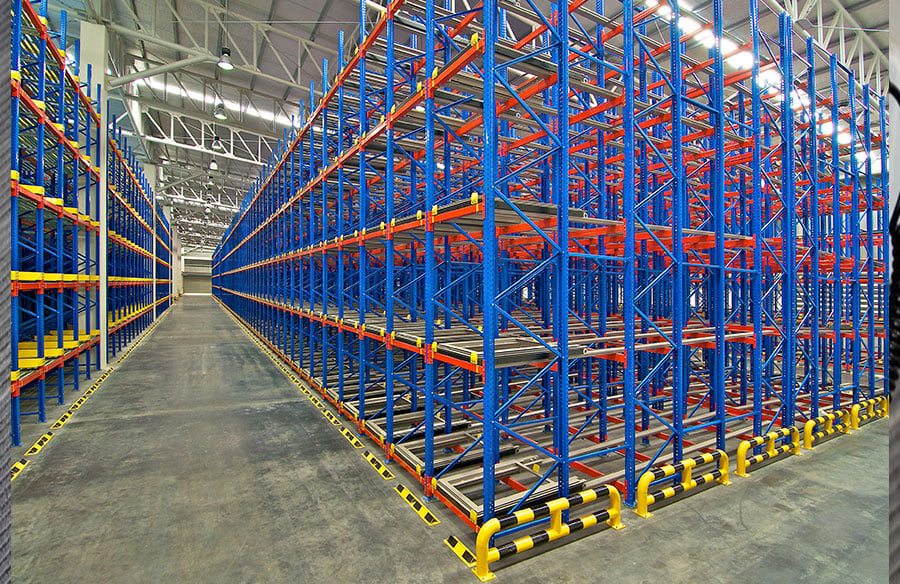
In this situation, professional pallet racking services in NZ can improve your warehouse’s storage setup. Pallet racking specialists can design and install a system tailored to your space, helping address storage challenges that may slow down daily operations. Here are some of the ways professional racking solutions can support a more efficient warehouse.
Enables Better Use of Available Warehouse Space
An unsuitable racking system can leave warehouse space wasted or goods packed too closely together. Large gaps above stored pallets may take up room that could accommodate more stock, while racks with insufficient space for their loads can become overcrowded.
Professional suppliers of pallet racking in NZ can help you plan a more suitable storage setup. Their assessment can determine how much room your goods need, allowing them to recommend appropriate rack dimensions and spacing between levels. They can also identify ways to use your warehouse’s height within the system’s design limits. This creates a better balance between storage capacity and the space each load requires, helping you use your existing premises more efficiently.
Improves Warehouse Layout for Streamlined Operations
The position of your racks affects how easily staff can move goods through the warehouse. A poorly planned layout may force them to take longer routes to retrieve stock, creating bottlenecks that slow down work during busy periods.
Pallet racking specialists can plan rack positions to give your staff more direct access to the goods they need. They do this by reviewing the factors that affect stock movement in your warehouse. These include the space your equipment requires to turn and retrieve pallets, the location of your dispatch area, and how often different goods are retrieved. With a clear understanding of your workflow, pallet racking specialists can recommend a layout that reduces unnecessary travel and makes pallet retrieval more efficient.
Helps Prevent Damage to Stored Goods
Stored goods can be damaged by pallets that are unstable or poorly supported within a pallet racking system. A pallet that shifts out of position or breaks under its load may cause its contents to fall. The resulting losses can leave your business paying for replacement stock or unable to fulfil an order.
Suitable pallet support is therefore an important consideration in warehouse storage, and a pallet racking specialist can design a system that suits your stock. They’ll assess your pallets, as well as the weight of your loads, and use this information to select components that can safely support your goods. In addition to designing the system, professional pallet racking companies can also give you advice on the correct positioning of pallets to ensure they’re secured and supported. These measures reduce the risk of stock falling during storage, helping protect its condition until it is needed.
Reduces Safety Risks around Pallet Racking Systems
Warehouse workers can face serious risks from pallet racking systems that are incorrectly installed or loaded beyond their capacity. An unstable rack may collapse and injure people nearby, leaving them unable to work during recovery. Forklift impacts can also weaken exposed uprights, reducing the system’s load-bearing capacity.
To ensure your racking system remains safe to use, specialists can inspect it and identify areas that need corrective action. They can then give you recommendations to address these hazards. For instance, fitting suitable upright protectors can reduce damage from equipment impacts. Clearly displayed load notices, on the other hand, give operators the information they need to avoid overloading the racks. With these precautions in place, your business can reduce the risk of structural failure and make the storage area safer for your team.
Keeps the Pallet Racking System Suitable for Changing Storage Needs
Your warehouse’s storage requirements may change as your product range expands. New goods can differ in size or weight from the stock your racks were designed to hold, meaning your existing system may need adjustments to accommodate these loads. Your business may also begin holding more stock, creating a need for additional storage capacity.
This is where a professional assessment can guide your next steps. Professional pallet racking specialists can review your existing system and establish which changes are appropriate. For example, if your new loads are taller, racking specialists may recommend adjusting beam levels within the manufacturer’s design limits. They can also identify components that need replacing to accommodate heavier loads. This gives your business a practical plan for adapting its storage as requirements change, helping you prepare for new stock before it arrives.
Pallet racking is an investment your business relies on every day. Decisions about its design and use can affect warehouse operations long after its installation. Professional pallet racking specialists can provide practical recommendations suited to your storage requirements. With expert guidance, you can plan appropriate improvements to your system and address problems that can disrupt your daily workflow.