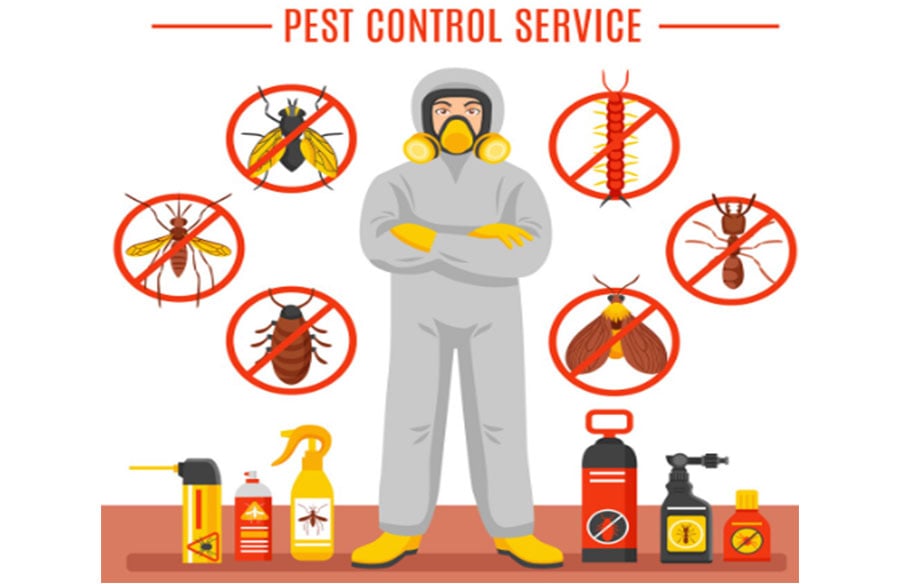
A single ant on the counter or a faint scratching in the attic is usually all a homeowner gets to see. By then, the real problem has often been growing for weeks, out of sight.
A can of spray from the hardware store rarely fixes that. Getting rid of pests for good means finding where they come from, treating that spot properly, and shutting the door on whatever lets them in. That’s where professional pest control in Meridian differs from a quick DIY fix.
Here’s how the process plays out, from the initial inspection to the follow-up visits that keep pests from returning. Each step builds on the one before it, so it helps to see how they fit together.
1. Identifying The Pest First
Effective Meridian pest control starts by identifying exactly what is living in your home, because ants, spiders, and rodents each require a different approach. Technicians check both the inside and outside of the house for droppings, nests, entry points, and damp spots, rather than only looking at the pests the homeowner has already spotted.
Everything else depends on this step. The wrong treatment aimed at the wrong pest burns time and money. A quick look in the kitchen might suggest ants, while the real trouble is a nest hidden inside a wall.
2. Seasonal Timing For Box Elder Bugs
Timing matters as much as identification when a pest follows a yearly calendar. Take box elder bugs, a common nuisance in Idaho homes. Once the first frost arrives in the fall, they crowd toward buildings and squeeze through cracks around foundations, doors, and windows to sit out the winter.
Also, treating the outside of a building before that happens works far better than chasing the bugs once they’re already inside. Homeowners who wait until clusters show up on sunny walls are already late, and the cleanup only gets harder from there.
3. Ants Treated At The Nest
Good treatment goes after the nest, not just the ants on your countertop. According to the University of California’s Statewide Integrated Pest Management Program, worker ants carry slow-acting bait back to the nest, where it kills the queen and the brood.
Killing the foragers alone doesn’t control a colony. That’s also why ants can seem to vanish for a few days and then show up again. Baiting takes a little patience because the payoff comes later, but it is the approach that actually ends the problem.
 4. Spiders As a Warning Sign
Spiders usually indicate a larger insect problem, so a thorough technician doesn’t treat them in isolation. They go where the food is. Once the ants, flies, and other small insects are under control, the spiders tend to thin out on their own. Sweeping away webs or spraying spiders one at a time only clears the ones in view, and new ones move in as long as there is food.
5. Sealing Entry Points
Clearing out the current pests is only half the job. Technicians look for the openings pests actually use and close them, typically gaps around utility lines, door edges, and vent screens. These seemingly minor structural details are critical to a building’s long-term integrity. Thoughtful design and meticulous construction, including proper sealing around all penetrations and junctions, are essential for creating a resilient and healthy indoor environment, preventing not just pests but also moisture intrusion and energy loss.
Ants, spiders, and overwintering bugs all get in through the same spots. Leave those open, and pests keep coming back, no matter how good the treatment was. Even small gaps count, since ants and spiders need very little room to get through.
6. Targeted Treatment, Not Blanket Spraying
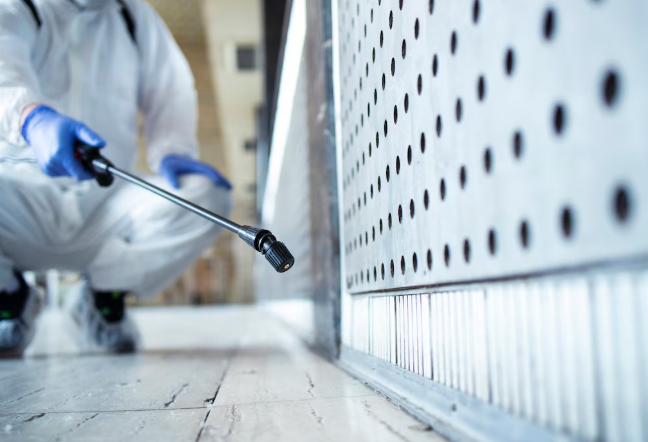
A careful technician applies products where pests actually are: nests, trails, and favorite hiding spots, rather than coating the whole yard or house exterior. Fewer products go down, and the results are usually better. It also spares the children, pets, and beneficial insects that a wide spray would hit. Careful placement also means fewer surprises for anyone using the yard afterward.
 7. Rodents Are a Health Risk
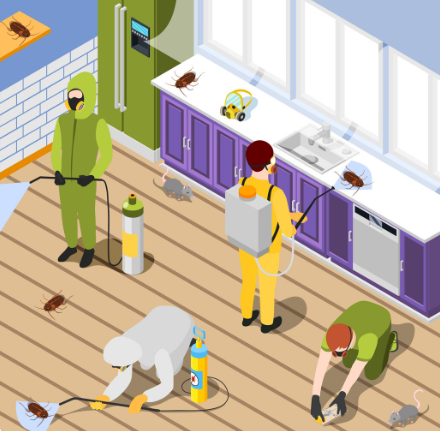
Not only do mice and rats gnaw on electrical wires and get into the kitchen, but they also contaminate food and defecate in hidden areas, making them a health concern as well as a pest problem.
According to the Centers for Disease Control and Prevention, hantavirus is transmitted via the air when mouse droppings, urine, and nesting materials are inhaled, especially in confined areas such as attics and crawl spaces. Expert removal and cleanup reduce this risk, something that self-cleaning with a broom and dustpan cannot accomplish.
8. Blocking Rodent Entry Points
While baits and traps take care of the mice already in the house, keeping new ones out depends on how well you seal the holes. A mouse can fit into a hole that is as small as a pencil, and this is as important as the bait.
If you skip this part, the same infestation will come back. The technicians will have to search for these small holes in the pipes, garage doors, and foundation. The careful detailing of a building’s envelope, from its foundation to its roofline, is a fundamental aspect of architectural quality. Ensuring that all junctions, utility penetrations, and access points are robustly sealed contributes significantly to a structure’s durability, energy efficiency, and overall habitability, reflecting a commitment to comprehensive design.
9. Written Inspection Reports
Homeowners should get a written inspection report, so there’s no vague “everything looks fine now.” You can see what was found and what was done about it.
The report usually lists the type of pest, where the activity is occurring, conditions that invite them, such as moisture and debris, and the exact treatment used in each area. That detail makes it easy to compare visits and spot any changes between them.
 Full Process Matters
Identification, timing, sealing, targeted treatment, and follow-up work best as one connected process. Drop any one, and pests find the gap, however strong the rest of it is.
A home treated this way stays clear of pests because every entry point and breeding source has been addressed, not because of a single strong spray. Inspection, targeted treatment, sealing, and follow-up are what turn a temporary fix into a lasting one, and any thorough pest control program should be judged against that standard.
For homeowners, the practical takeaway is simple: ask any pest control company how it handles inspection, sealing, and follow-up, not just what it sprays.