The restoration company combines material assessment, upholstery work and nationwide handbag repair to help customers decide what is worth keeping.
A worn sofa and a scuffed handbag present a similar question: does the damage mean the item needs replacing, or can useful life be recovered through repair? The answer depends on what has worn out, how the piece was made and what its owner wants to preserve.
Lerega, also known as Leather Repair Gallery, addresses that question through leather repair and upholstery restoration. The company works with leather, vinyl and fabric across furniture, personal accessories and specialized interiors. Its services range from localized repairs to complete reupholstery, with the scope determined by the condition of the individual piece.
For customers, the distinction matters. Fading, torn material and collapsed cushioning can make an item look equally tired, but each calls for a different response.
Assessing the material before choosing a repair
Lerega’s process starts with photographs and a description of the problem. Images of the complete item and close-ups of damaged areas help establish an initial scope and estimate. Details about previous repairs, the material and the customer’s location also help determine which service options are practical.
Material identification is central to that assessment. Leather descriptions can be confusing: terms such as top grain describe the layer of the hide, while aniline and pigmented refer to how the leather is colored and finished. Two surfaces that look similar may therefore require different preparation and restoration methods.
The company’s educational material explains why thickness or an embossed grain pattern alone cannot establish leather quality. The underlying material, its finish and the way it has been used all matter. This is particularly relevant when furniture combines leather on seating surfaces with different materials elsewhere.
An effective repair plan must account for those differences. Color restoration can address certain kinds of fading and surface wear, while extensive deterioration may call for replacement of the affected material.
Combining leather restoration with upholstery work
Lerega’s furniture services in Austin cover sofas, sectionals, chairs and recliners. Work can include scratch repair, color matching and refinishing, as well as cushion reshaping and partial or complete reupholstery. Considering the covering and the cushioning together helps define what is needed to restore both appearance and comfort.
Its published project gallery shows how those services can be combined. One documented sofa restoration included replacement of damaged leather panels, removal of body oils, surface repairs and color restoration. Another project involved replacing deteriorated vinyl with material supplied by the client because the existing covering was no longer suitable for restoration.
These examples illustrate why restoring furniture does not always mean preserving every piece of its original upholstery. A repair may retain sound sections while replacing those that have failed, or renew the covering more extensively when its condition warrants it.
Furniture work is arranged according to the project and local service availability. Some repairs can be completed on-site; work requiring extensive disassembly, specialized equipment or longer treatment is better suited to the workshop.
Offering handbag restoration across the United States
While furniture services depend on local coverage, the company’s handbag repair and restoration service accepts eligible items by mail from across the United States. That gives owners outside its furniture service area a way to have a bag evaluated and restored.
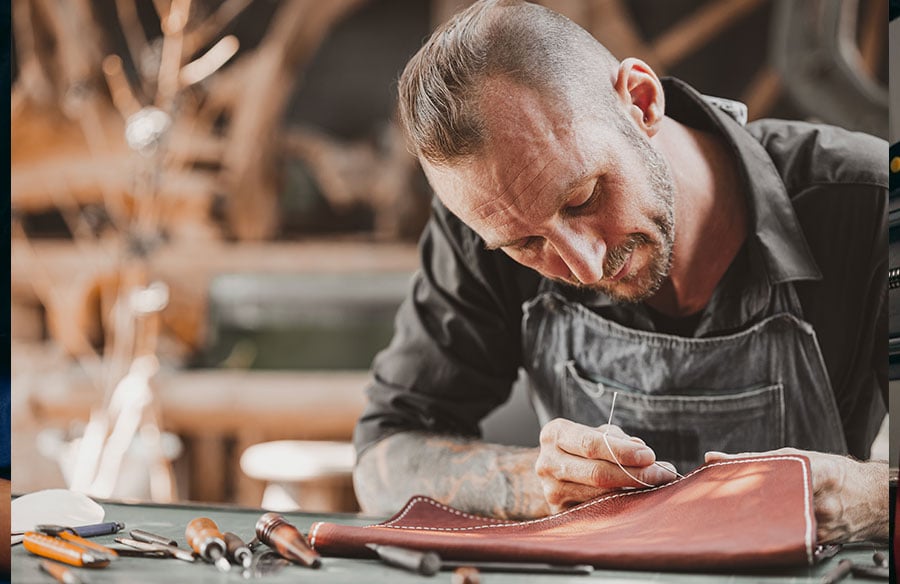
Available work includes cleaning, worn-corner repairs, edge refinishing, stitching, handle and strap replacement, reshaping and color restoration. The appropriate combination depends on the bag’s construction and condition. Repairing a handle addresses a different problem from correcting a faded finish or rebuilding a misshapen section.
The studio works with designer and vintage pieces, as well as other bags with financial or sentimental value. Preserving the item’s proportions and recognizable details is part of the assessment, particularly when replacement components are needed.
Customers provide photographs before shipping. After the service is confirmed, the company offers a prepaid, insured shipping arrangement. This separates the initial decision about whether a repair is suitable from the logistics of sending a valued item to the workshop.
Connecting restoration practice with professional training
Lerega also operates Lerega Academy, extending its work into professional education. The training covers leather identification, cleaning and preparation, damage repair, color matching and finishing. Business topics include job evaluation, pricing, customer communication and service workflow.
The published program distinguishes its core course from advanced hands-on training and professional qualification. That distinction gives prospective students a clearer picture of the steps involved in developing their skills. Experienced professionals can also apply for an evaluation of their background and work.
For customers reading about the company, the curriculum makes the technical decisions behind a restoration easier to understand. Choosing a repair involves knowing which materials can be retained, how replacement sections should fit and what preparation is needed before color or finish is applied.
Those decisions give owners a basis for comparing restoration with replacement. A sofa’s familiar comfort, a handbag’s construction or the personal history attached to an item can all influence what is worth saving. Lerega’s role is to assess the condition and define the work that would make continued use practical.