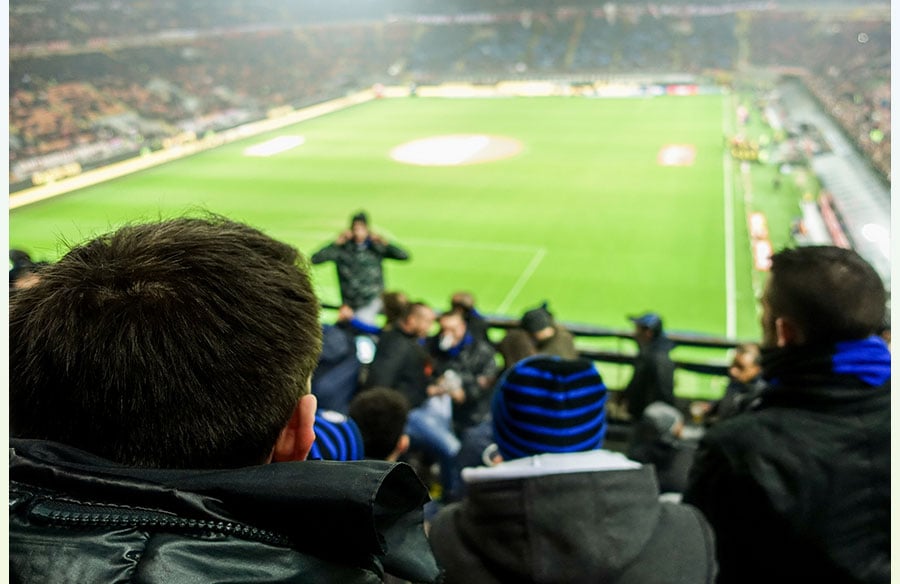
For most of football’s history, predicting the outcome of a match was an art built on gut feeling, loyalty, and a vague memory of how two teams played last season. That world is disappearing. Over the past decade the sport has been quietly rebuilt around data, and the way supporters understand a fixture now owes as much to spreadsheets and models as it does to terrace wisdom. The same analytical instinct that architects and designers use to test an idea before they build it has crept into the stands, the studio, and the second screen in every fan’s hand.
This shift matters because football is, at heart, a problem of structure. A pitch is a constrained space, eleven players move within rules, and patterns emerge from those constraints. Anyone trained to think about systems will recognise the appeal. A match is a living layout that changes shape every few seconds, and the people who learn to read that layout gain an edge that was once reserved for scouts and coaches.
From Hunches to Models
The first thing to understand is how far the analytical toolkit has travelled. Expected goals, often shortened to xG, turned the messy question of who deserved to win into a number that fans could argue about with evidence rather than emotion. Possession value models go further, scoring every pass and carry by how much it raises the chance of a goal. Tracking data, captured by cameras that follow every player many times a second, lets analysts measure pressing intensity, defensive compactness, and the space a striker creates simply by standing in the right place.
None of this removes the romance of the game. Instead it gives that romance a sharper vocabulary. When a commentator says a team was unlucky, the data can now show whether that is true or whether the side was flattered by a single moment. Fans who once shouted at the screen can now point to a chart and explain exactly why their team keeps conceding from the same flank.
The Rise of the Informed Supporter
A second change is cultural. The information that used to live inside clubs has spilled into the public, and a generation of supporters has grown comfortable reading it. Podcasts dissect tactics with the seriousness once reserved for transfer gossip. Social feeds fill with passing networks and heat maps within minutes of a final whistle. The modern fan is not a passive viewer but an analyst in miniature, building a personal model of how a season will unfold.
This is where prediction platforms have found their audience. People who enjoy reasoning about a match want a place that gathers form, injuries, head to head records, and statistical projections in one view. The best of these services treat their readers as intelligent rather than gullible, laying out the reasoning behind a forecast instead of simply shouting a result. For supporters who want to sharpen their own judgement, a hub of best sports predictions works less like a tipster and more like a study desk, a place to compare your reading of a game against a structured second opinion.
Why Design Thinking Belongs in Sport
It is tempting to treat all of this as a story about numbers, but the deeper lesson is about design. Designers are taught to gather evidence, form a hypothesis, test it against reality, and refine. That loop is exactly how a thoughtful fan now approaches a fixture. You collect what you know, you form a view, the match tests it, and you adjust your thinking for next week. Football has become an endless prototyping exercise played out over a season.
The clubs themselves have embraced this mindset most visibly. Recruitment departments build statistical profiles of the players they want before a scout ever boards a plane. Set piece coaches treat corners as engineering problems, choreographing runs to manufacture space the way a planner routes people through a building. Even stadium design now folds in data about sightlines, crowd flow, and atmosphere, proving that the analytical turn reaches well beyond the white lines of the pitch.
The Limits of the Model
For all its power, data has not solved football, and it never will. A model can tell you that a team should win three times out of four, but the single match in front of you might be the fourth. Deflections, red cards, and moments of individual brilliance still scramble the cleanest forecast. This uncertainty is not a flaw in the approach but the reason the sport endures. If outcomes were certain, nobody would watch.
The wise supporter therefore treats predictions as a starting point rather than a promise. A good forecast narrows the range of likely results and explains the forces at work, but it leaves room for the chaos that makes the game worth following. Reading a projection well means understanding both what it claims and where it might break, much as a designer respects a model while knowing that real users will always surprise them.
What Comes Next
The trajectory is clear. As tracking data becomes richer and machine learning more capable, the forecasts available to ordinary fans will keep improving. We are likely to see more personalised analysis, where a platform learns which factors a particular supporter cares about and frames a match accordingly. The line between watching and analysing will continue to blur until every viewer has, in effect, a small analytics department in their pocket.
What will not change is the human need to argue, to hope, and to be proved right. Data has not replaced the joy of a last minute winner or the agony of a missed penalty. It has simply given fans a better lens through which to anticipate them. The future of supporting a club looks a lot like the future of any creative discipline, a careful blend of structured analysis and the stubborn, irreplaceable spark of intuition.
Football was always a thinking person’s game dressed up as a physical one. The tools have finally caught up with that truth, and the supporters who learn to use them are discovering a richer, sharper, and more rewarding way to love the sport.