Architecture may start with drawings and digital models, but successful project delivery often depends on decisions made in person. Purposeful business travel can improve coordination, strengthen site supervision, support client relationships, and prevent avoidable delays.
Poorly planned travel creates a different outcome. Unnecessary trips consume billable hours and disrupt office workloads, while missed visits may allow small construction problems to grow into costly issues.
Collaboration Across Distributed Project Teams
Architectural projects bring together property owners, consultants, contractors, suppliers, and regulatory specialists. All of whom may be based in different locations.
Face-to-face workshops give these groups space to compare priorities, review complicated details, and resolve disagreements without extended email exchanges.
Reserve travel for high-impact coordination sessions rather than for routine updates that can happen online.
Site Supervision and Design Quality
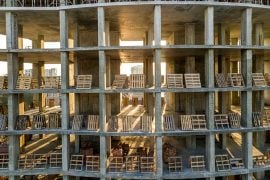
Regular site visibility helps architects confirm that construction reflects the approved documents and original design intent. Well-timed visits can uncover material conflicts, installation errors, and unexpected physical conditions before later work makes corrections more difficult.
Some international markets expect architects to maintain a greater on-site presence during construction.
Firms working across borders should define those expectations early. Why? Because supervision requirements affect staffing, fees, travel frequency, and the level of detail required in construction documents.
Travel Options and Time Efficiency
Transportation choices can influence how much productive time a project team retains. Commercial flights, trains, rental vehicles, and private aviation each offer different benefits depending on the destination, schedule, number of travelers, and urgency of the visit.
For example, if you are heading to Los Angeles for a time-sensitive site inspection or a series of client meetings, airport access and ground-transfer time may affect the entire schedule.
You can book private jet flights to and from Van Nuys airport, in San Fernando Valley, when flexible departure times and private aviation access meet a genuine operational need.
Van Nuys, just twenty miles from downtown LA, exclusively serves private, corporate, and charter flights, making it a practical option for teams whose project requirements justify greater scheduling control.
Client Communication and Faster Decisions
Important design approvals often benefit from direct discussion. Particularly when clients must compare materials, review spatial options, or understand the consequences of a proposed change.
In-person meetings allow architects to read reactions, answer follow-up questions, and address concerns before uncertainty slows decision making.
Travel should still have a clear communication objective. Sending an agenda in advance, identifying required decision makers, and documenting outcomes afterward helps every meeting produce an actionable result.
Project Timelines and Operational Capacity
Strategic travel can protect a project schedule when an on-site decision prevents work from stopping. Poorly timed trips, however, may remove senior architects from other projects without delivering a meaningful benefit.
Maintaining connected information and communication across teams is crucial.
Shared models, current drawings, progress photographs, and decision logs can support office-based work between physical visits, allowing firms to travel only when professional judgment is needed on-site.
Developing a Project-Based Travel Strategy
Architecture firms should evaluate travel during initial project planning rather than approving each trip in isolation. Budgets can then reflect expected milestones, supervision duties, client preferences, and potential travel-related risks.
Each proposed trip should answer several practical questions:
- Whether the visit supports a required decision
- Whether remote collaboration achieves the same result
- Whether saved time protects a project milestone
Regular reviews are equally important because travel needs change as work progresses. A project may require limited travel during documentation but more frequent visits during mock-up reviews, installation, and final inspections.
Keeping Travel Focused on Better Project Outcomes
Effective business travel strategies do not depend on traveling more often. Strong strategies send the right people to the right location when their presence can improve quality, communication, or delivery speed.
Architecture firms should connect every trip to a defined project requirement and review whether the result justified the time involved.
Was this article helpful? If so, explore some of our other related content.