A larger phone screen can turn everyday tasks into a more comfortable experience. Films feel more cinematic, maps are easier to follow and documents offer more room to read. However, the biggest display is not automatically the best choice. Weight, brightness, resolution, battery life and how comfortably the phone fits your hand all matter.
In this guide, we explain what defines an HONOR big screen phone, how screen sizes are measured and which specifications deserve attention. You will also discover the practical benefits and drawbacks of a larger display, plus straightforward advice for choosing the right HONOR phone for streaming, gaming, work, travel or accessibility.
What Is an HONOR Big Screen Phone?
An HONOR big screen phone generally has a display of around 6.5 inches or larger, measured diagonally. Screen quality, aspect ratio, bezels, weight and overall design also shape how spacious the device feels.
Large Displays for Entertainment and Productivity
A larger display makes films, TV programmes, games and photos more engaging, particularly when watching on a train or at home. It also gives websites, e-books and documents more breathing room. Editing photos, reviewing spreadsheets and using split-screen apps can feel less cramped, making a big-screen phone useful for both entertainment and mobile work.
Standard Large Phones and Foldable Displays
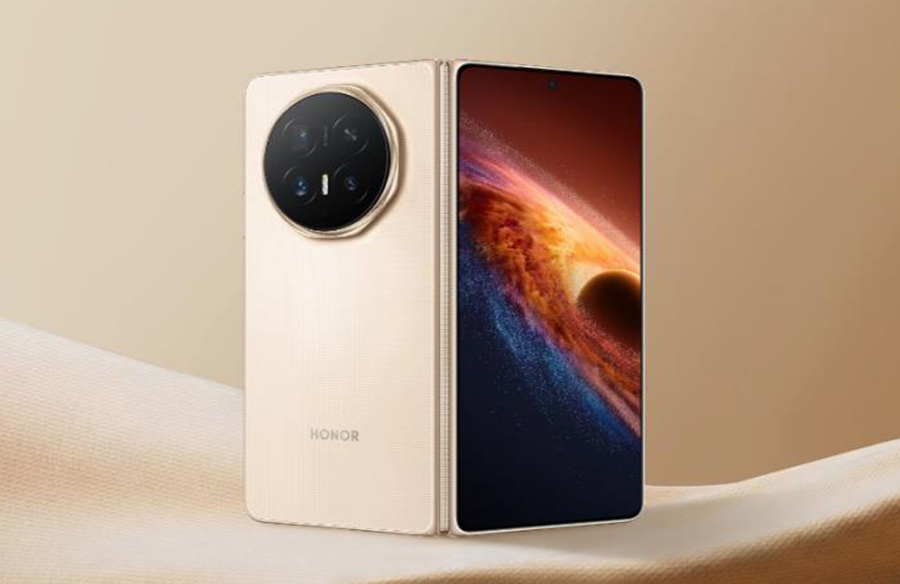
A conventional large phone has one spacious screen and usually offers a simpler, more durable design. A foldable phone adds flexibility: its outer display handles calls, messages and quick tasks when closed, while the inner display opens into a larger, tablet-like workspace. The trade-off may include greater cost and more complex construction.
How Are Smartphone Screens Measured?
Manufacturers advertise smartphone display size by measuring diagonally in inches. This creates a consistent comparison, but the number does not tell you everything about the visible area. Rounded corners, camera openings, aspect ratio and bezels can make two displays with the same diagonal measurement feel noticeably different in daily use.
Diagonal Measurement from Corner to Corner
Screen size is measured from one corner of the display to the opposite corner, rather than by its height or width. A 6.7-inch screen may be tall and narrow, or slightly wider, depending on its aspect ratio. Therefore, compare the phone’ s dimensions and proportions as well as its advertised diagonal measurement.
Usable Viewing Area and Screen Design
The usable viewing area can be smaller than the quoted size because of rounded corners, camera cut-outs and borders. A high screen-to-body ratio usually provides more display without increasing the handset dramatically. Before buying, check width, height, thickness and weight; a protective case will add further bulk.
Which Display Specifications Matter Besides Screen Size?
Inches alone cannot determine whether a display is enjoyable to use. A bright, sharp and responsive panel may feel better than a larger but less capable one. When comparing phones, consider these specifications alongside screen size:
| Specification | Why it matters |
| Resolution and pixel density | Keeps text and images sharp |
| Refresh rate | Makes movement and scrolling smoother |
| Brightness | Improves outdoor visibility |
| Colour and contrast | Adds realism to media and photos |
| Dimensions and weight | Determines everyday comfort |
Resolution and Pixel Density
Full HD+ or higher resolution helps keep text, photographs and video detailed across a large panel. Pixel density, measured in pixels per inch, is also important because it indicates how tightly those pixels are packed. Strong pixel density reduces visible grain, particularly when reading small text or viewing high-resolution photographs.
Refresh Rate and Touch Responsiveness
A 90Hz or 120Hz refresh rate can make scrolling, menus and compatible games appear smoother than a 60Hz display. Refresh rate describes how often the screen updates. Touch sampling or responsiveness describes how quickly it detects your finger, so a high refresh rate does not automatically guarantee faster touch input.
Brightness, Colour and Viewing Comfort
High brightness is useful when checking directions outdoors on a bright day, while accurate colour and strong contrast improve films and photography. Wide viewing angles help when sharing content. Adaptive brightness, reduced-blue-light modes and flicker-reduction features may also make prolonged evening reading more comfortable, although they do not replace sensible screen breaks.
Slim Bezels and the Overall Phone Footprint
Slim bezels can fit a generous display into a body that remains reasonably manageable. Nevertheless, check the handset’ s actual width, thickness and weight rather than relying on screen size alone. A case can add several millimetres and make edge-reaching harder, so consider the protected phone you will carry, not just the naked device.
The Benefits and Trade-Offs of a Big Screen Phone
A larger screen can be particularly valuable for UK commuters, hybrid workers and households that stream content on the move. It can also make a phone harder to carry or operate. Consider these practical advantages and disadvantages before choosing a big-screen model.
Benefits of a Larger Display
- Films, TV programmes and live sport are more immersive during journeys or at home.
- Games and navigation maps are easier to see at a glance.
- Reading websites, e-books and news is more comfortable.
- Split-screen use makes checking email while viewing a calendar more practical.
- Photo, video and document editing benefits from extra workspace.
- Larger text and interface elements can improve visibility and accessibility.
Potential Disadvantages to Consider
- A larger body may add weight to a pocket, bag or hand.
- One-handed typing and reaching the top of the screen can be uncomfortable.
- The phone may not fit easily in slim jeans or smaller coat pockets.
- Foldable models can cost more than conventional phones.
- Compare battery capacity and charging performance rather than assuming a larger phone lasts longer.
- A secure grip and suitable case are more important when the handset is large or expensive.
Which Screen Size Suits Your Lifestyle?
The right size depends on what you do most often, where you use your phone and how comfortably you can hold it. Use this quick guide before comparing individual HONOR models and display technologies.
| User priority | Suitable choice | What to check |
| Streaming and gaming | 6.5 inches or larger | Brightness, refresh rate, speakers and battery |
| Work and multitasking | Large phone or foldable | Split-screen support and weight |
| Travel and one-handed use | Medium display | Width, grip and pocketability |
| Accessibility | Large or medium display | Text scaling and software tools |
Large Screens for Streaming and Gaming
Choose a display around 6.5 inches or larger if films, video content and gaming are your priorities. A spacious panel improves immersion, but also check brightness for outdoor play, a 90Hz or 120Hz refresh rate, stereo speakers and battery life. These features affect enjoyment more than diagonal size alone.
Large Displays for Work and Multitasking
A spacious phone screen can make email, calendars, messaging and documents easier to manage, especially when travelling between meetings. Split-screen functions allow you to reference information while writing or browsing. Conventional large phones suit straightforward workflows, while foldables can provide a more tablet-like workspace without requiring a separate tablet.
Medium Displays for Travel and One-Handed Use
A medium display may suit commuters and frequent travellers who unlock, type or navigate while standing. A narrower, lighter phone is easier to grip on a crowded bus and less awkward in a small pocket. If you rarely edit documents or watch long videos, the portability benefit may outweigh the extra room of a larger panel.
Bigger Text and Accessibility Features
A large screen gives adjustable text, magnification and larger icons more room to work without making the interface feel excessively crowded. Voice control, one-handed mode, simplified navigation and floating shortcuts can help too. Software settings remain essential: a smaller phone with excellent accessibility tools may be more useful than a large phone without them.
For users who want a compact handset that opens into a generous work and entertainment space, consider the HONOR big screen phone range and compare each model’ s dimensions, display technology and UK availability.
Conclusion
Choosing an HONOR big screen phone is about more than selecting the highest diagonal measurement. Look at resolution, pixel density, brightness, refresh rate, body dimensions, weight and battery performance. A display of 6.5 inches or more can be ideal for streaming, gaming, reading, accessibility and split-screen work, while a medium-sized handset may be more comfortable for travel and one-handed use.
Foldables offer another route, combining a practical outer display with a larger inner panel. Before buying, consider your daily habits, pocket space and budget. Compare the complete design rather than the screen size alone, then choose the HONOR device that makes your most frequent tasks easier.
FAQ
What screen size is considered a big screen phone?
A big screen phone is generally considered to have a display of around 6.5 inches or larger, measured diagonally. This is a useful guide rather than a strict industry rule. Aspect ratio, bezels and body dimensions can make two phones with identical screen sizes feel very different.
Is a 6.7-inch HONOR phone too large for everyday use?
No, a 6.7-inch HONOR phone is not necessarily too large for everyday use. Many people find this size comfortable for streaming, navigation and reading. However, width, weight and grip matter as much as diagonal size. Try the phone in your hand and check whether you can reach key controls comfortably.
Are HONOR big screen phones good for gaming and streaming?
Yes, HONOR big screen phones can be excellent for gaming and streaming when paired with a bright, sharp panel, high refresh rate, capable speakers and sufficient battery life. A larger display improves visibility and immersion, but performance also depends on the processor, game optimisation, cooling and the quality of the content.
Is an HONOR foldable better than a standard large-screen phone?
An HONOR foldable is better if you value a compact closed form and a tablet-like screen when opened. A standard large-screen phone may be preferable for lower cost, simpler construction and conventional durability. Compare hinge design, inner-screen protection, weight, software support and your actual need for extra workspace before deciding.