Nobody thinks about their sewer line — right up until it fails. And by then, the damage has usually been building for a while. Ask any contractor who handles plumbing and sewer line service along with HVAC or electrical work, and you’ll hear the same story: sewer trouble doesn’t come with a warning. It builds slowly, over months, without making a sound.
Knowing the sewer line warning signs early can save you thousands in repair costs and spare you a genuinely unpleasant few weeks. Here’s what to watch for.
10 Clear Signs Your Sewer Line Is Broken
Frequent Drain Backups
If one drain backs up occasionally, the cause is usually a small clog somewhere nearby. But when multiple drains throughout your home start having issues — like the kitchen sink, shower, or lower-level drains — it may be a sign of a problem with your main sewer line. The cause is bigger.
Slow Draining Sinks, Tubs, and Toilets
Slow drains are easy to dismiss. Hair trap, bit of grease, simple fix, right? Not always. If every drain in the house slows down at once, the problem usually isn’t in any single fixture. Something further down the main line is either partially blocked or starting to collapse. That’s the point where plunging stops being useful and a proper sewer line service becomes the fix worth calling for.
Foul Sewer Odours Indoors or Outdoors
A healthy sewer system is sealed. Sewage should be invisible to your nose. A rotten-egg smell that won’t go away — near drains, down in the basement, sometimes even outside in the garden means waste is escaping the system somewhere along the line. One of the more unmistakable sewer line damage symptoms, and one that tends to get worse fast.
Gurgling Sounds in Pipes
That strange bubbling sound after flushing the toilet or draining the bath isn’t always just a harmless noise in an older home. Gurgling can be a sign that air is trapped in your pipes due to restricted water flow, clogs, or damaged pipe sections. It’s the pipe struggling.
Soggy or Sunken Spots in the Yard
Got a patch of yard that never seems to dry out, even after a week without rain? Or maybe the lawn is starting to sink in one spot. Either one can point to a damaged sewer line. When a pipe cracks or springs a leak, wastewater seeps into the soil around it — the ground stays wet, and over time it loses its firmness and starts to give way. The ground gives way. It’s as unpleasant as it sounds.
Unusually Lush or Greener Patches of Grass
This one catches people off guard. A suspiciously vibrant patch of lawn, noticeably greener or thicker than everything around it can actually be a sign of a slow leak. Sewage acts as fertiliser. It’s one of those signs sewer line issues go unnoticed for so long; the garden looks great right up until it doesn’t.
Frequent Toilet Clogs or Backups
A toilet that blocks after someone uses too much paper is one thing. A toilet that clogs repeatedly, with no obvious cause, is another. Especially if plunging clears it briefly and then the problem returns within days. That cycle usually means the obstruction isn’t in the toilet itself.
Mold or Moisture in Basement Walls
Most sewer lines sit beneath the home or run through the basement. A crack doesn’t need to be big to cause trouble — even a small one releases enough moisture to feed mold on surrounding walls and floors. Damp spots that keep coming back with no obvious water source? That’s your cue to look at the sewer system, not just chalk it up to condensation.
Pest or Insect Infestations
Here’s something most homeowners never think about: a cracked sewer line is basically an open door for rats and cockroaches. So if pests suddenly show up in a house that’s never had them, don’t just call the exterminator — get your drains inspected too. A broken pipe is effectively an open door. Not a pleasant thought.
Sudden Increase in Water Bills or Plumbing Issues
A spike in water usage without any change in habits can suggest a leak in the system. Paired with recurring plumbing problems elsewhere in the house, it’s one of the more telling sewer line damage symptoms that something structural has gone wrong rather than just being blocked.
In Conclusion
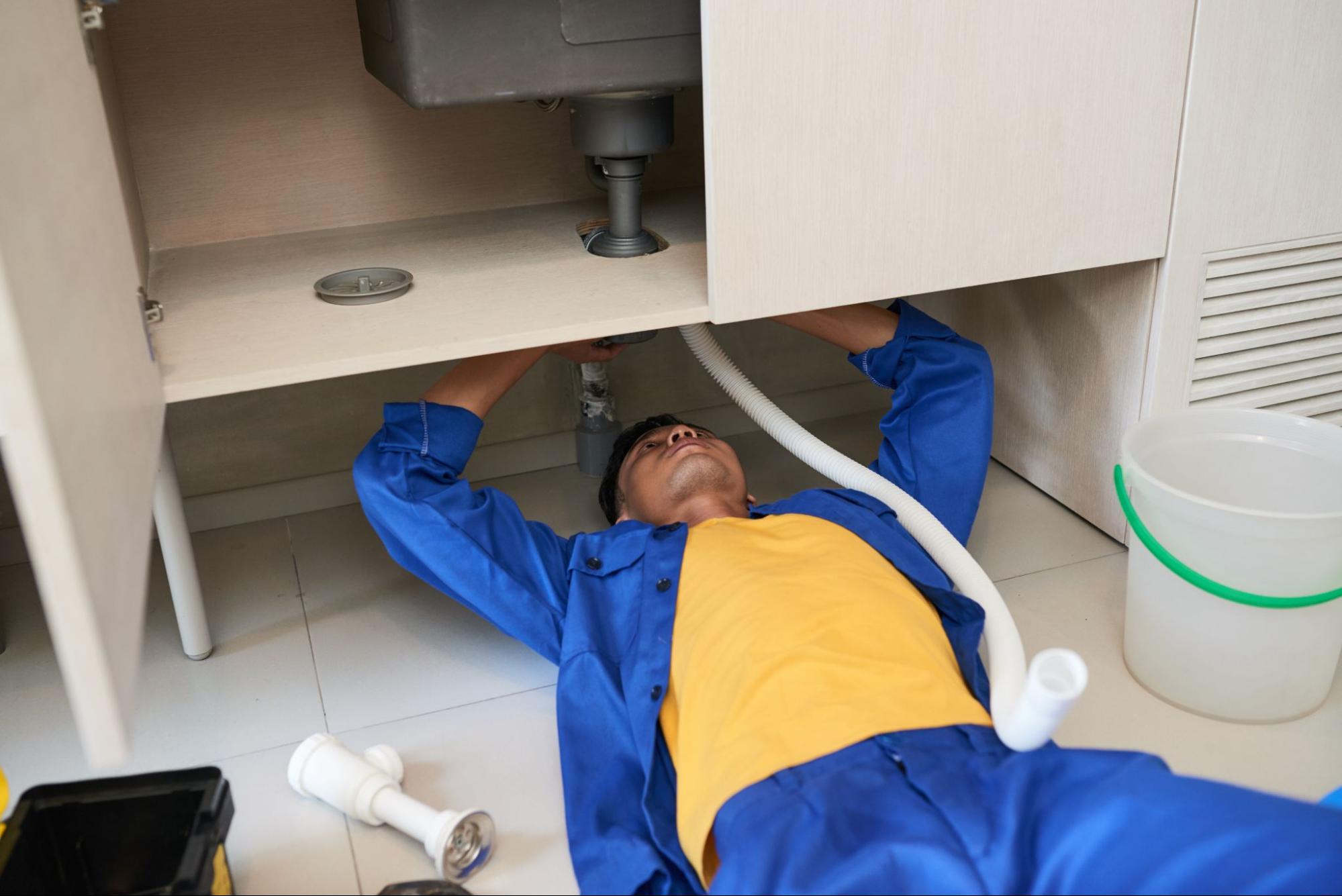 Sewer line failure symptoms are rarely noticeable at first; instead, they develop gradually, which is precisely why they are disregarded. The best course of action is to call a plumber for a camera examination before the issue gets worse, if any of the aforementioned sound familiar. A simpler, less expensive solution is usually the result of early detection. A crack can be detected by proper sewer line services before it collapses. That’s a repair bill worth avoiding.