Te Extraño, Extraño is an interior design project tailored for a restaurant in Mérida,
Yucatán. Its core concept lies in the creation of an introspective space influenced by
the inherent craftsmanship found in an artist’s studio.
Project Name: Te Extraño Extraño
Studio Name: Fmt Estudio
Location: Mexico, United States
Status: Built
Image Credits: Russell Andrade
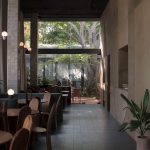
A defining aspect of this proposal is its adaptability, ensuring seamless operation day and night to cater to diverse clienteles. The interior design integrates on-site carpentry elements and concrete seating, creating a foundation for a cohesive aesthetic. A chromatic palette of serene greens, calming pinks, earthy sands, and warm terracottas takes center
stage, evoking a sense of tranquility and warmth. Construction and ornamentation are defined by the use of materials such as wood, steel, and glass, promoting natural lighting and ventilation while fostering a connection with the surrounding environment.
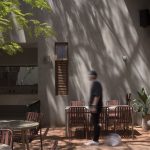
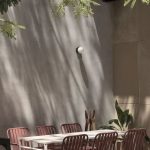
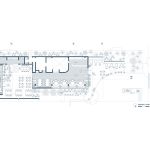
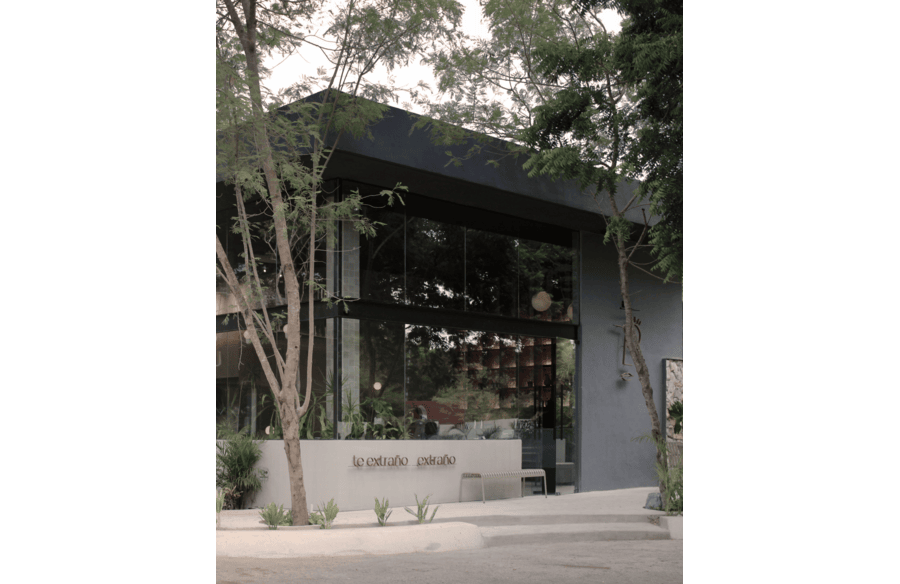
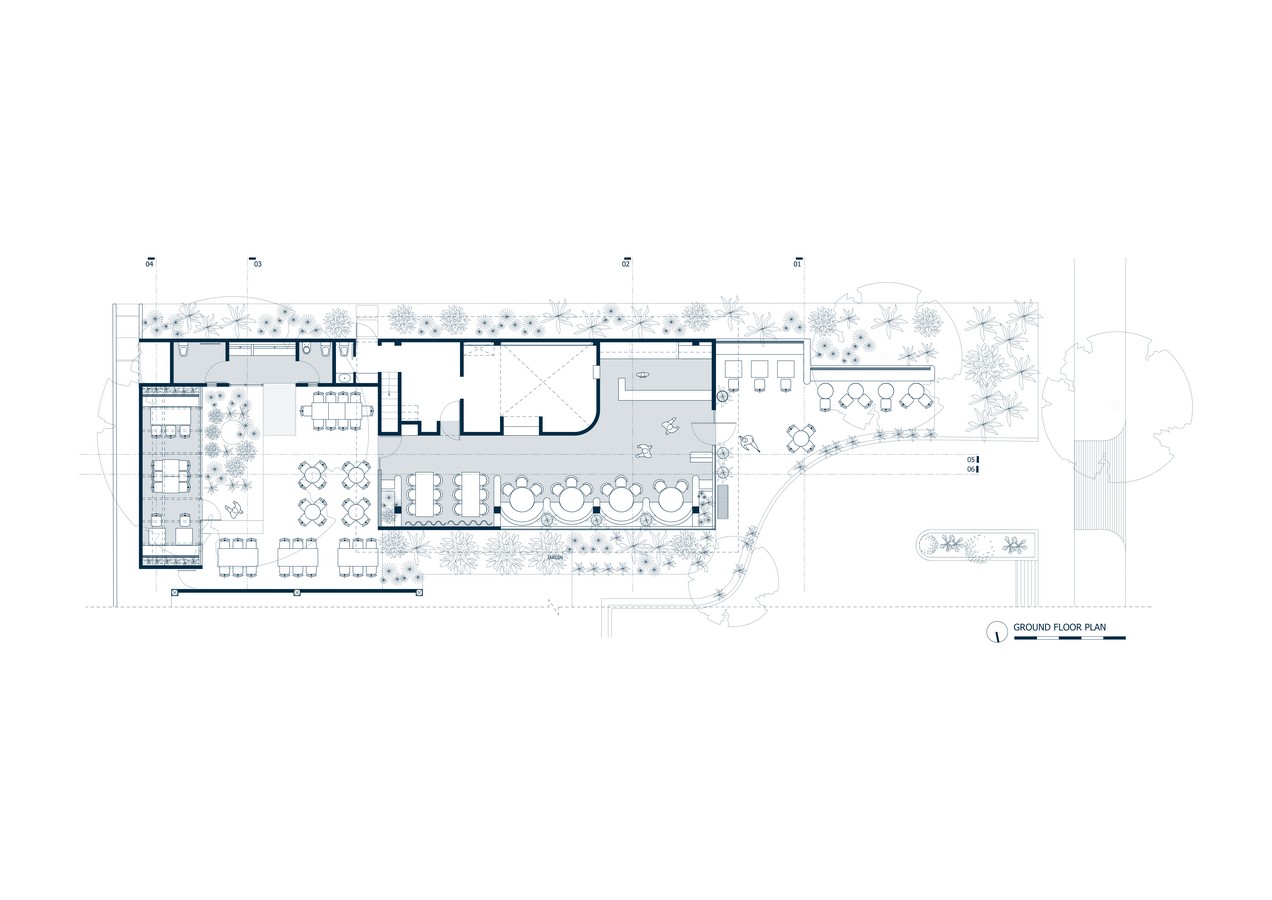
The interplay of textures emerges as a key design element in the project’s conception, where mosaics, polished concrete, fabrics, glass, and pavings harmoniously complement the selected lightning fixtures. Before entering, an outdoor terrace presents an inviting prelude to the culinary experience. Concrete benches and wrought iron tables with marble counter tops offer outdoor dining options. The façade is conceived as a structure of glass and concrete, establishing a sense of transparency, blurring the boundaries between the interior and exterior while maintaining a sense of containment within the volume.
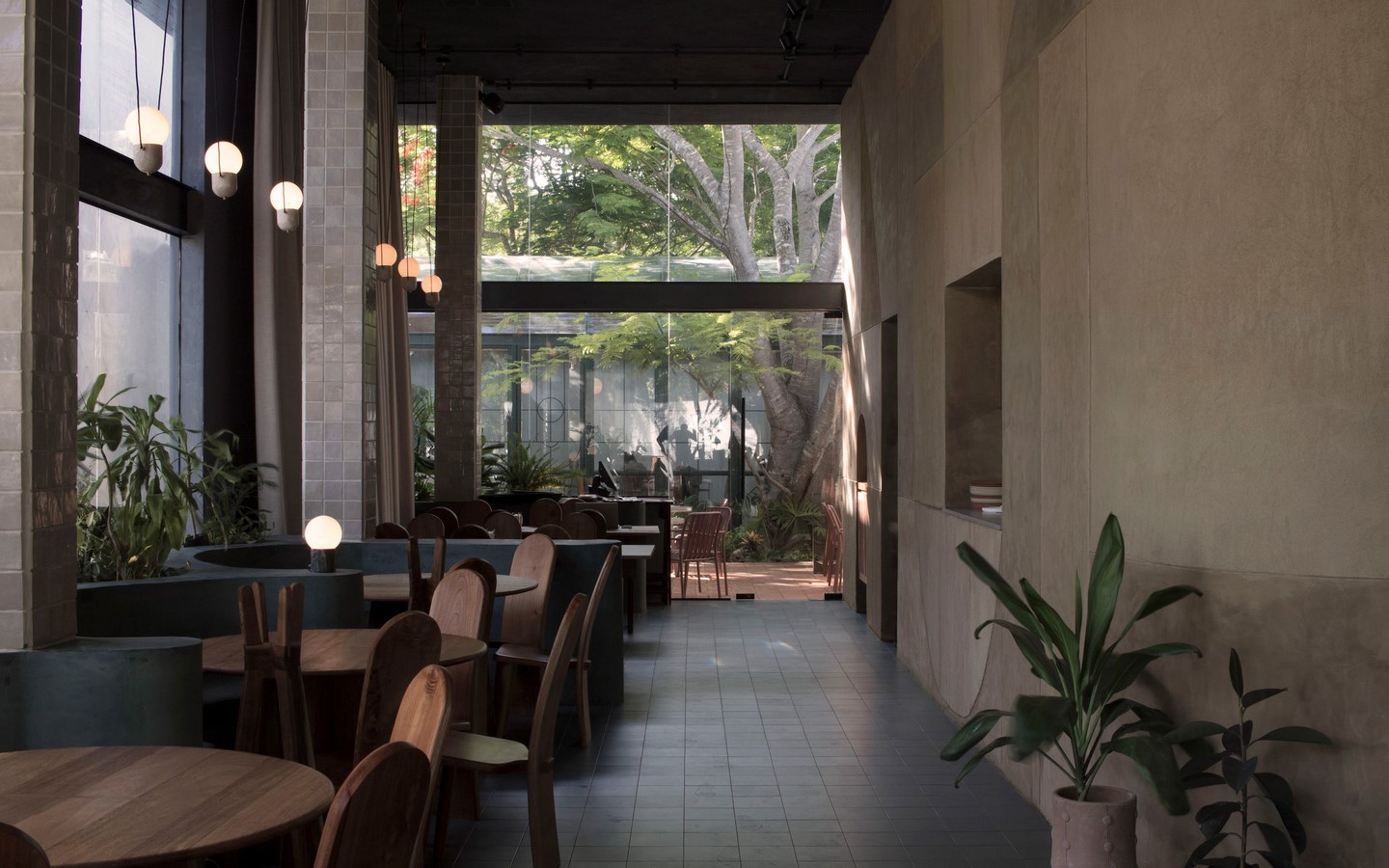
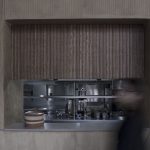
This intention is mirrored in the robust structure of the indoor kitchen, functioning as the project’s core and enclosed by walls to exude solidity and centrality. Within the main hall, concrete seating booths are arranged to create diverse atmospheres and instill a sense of
individuality within the volume. This intentional design choice caters to a variety of
dining preferences, fostering both intimate and communal experiences. An integral
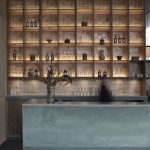
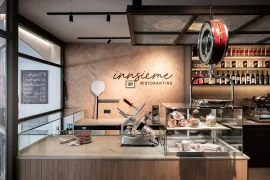
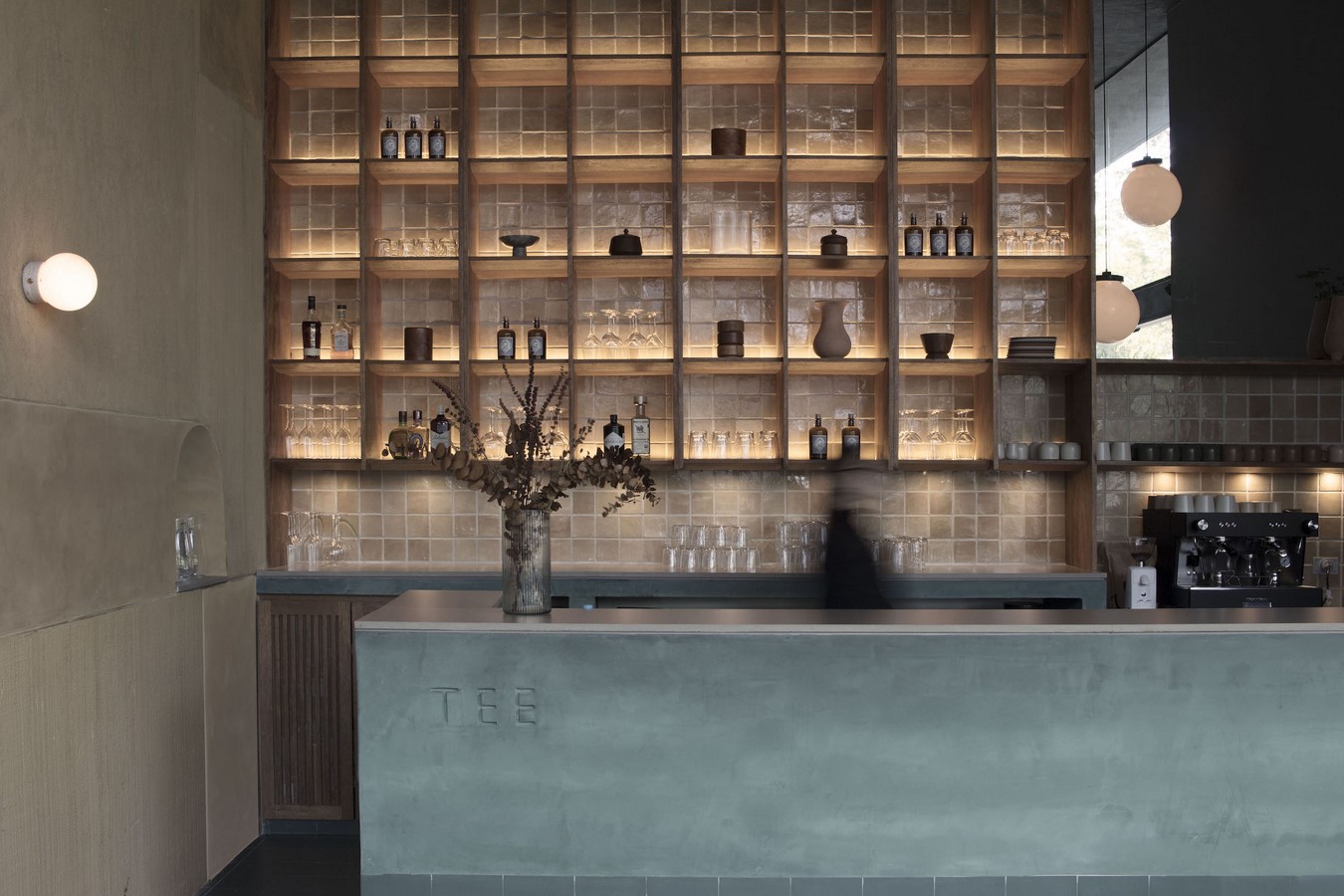
component of the design is the creation of a bar counter adjacent to the kitchen. This
hub houses the restaurant’s bar and features a wall-mounted shelving unit that adds
a touch of elegance and functionality.
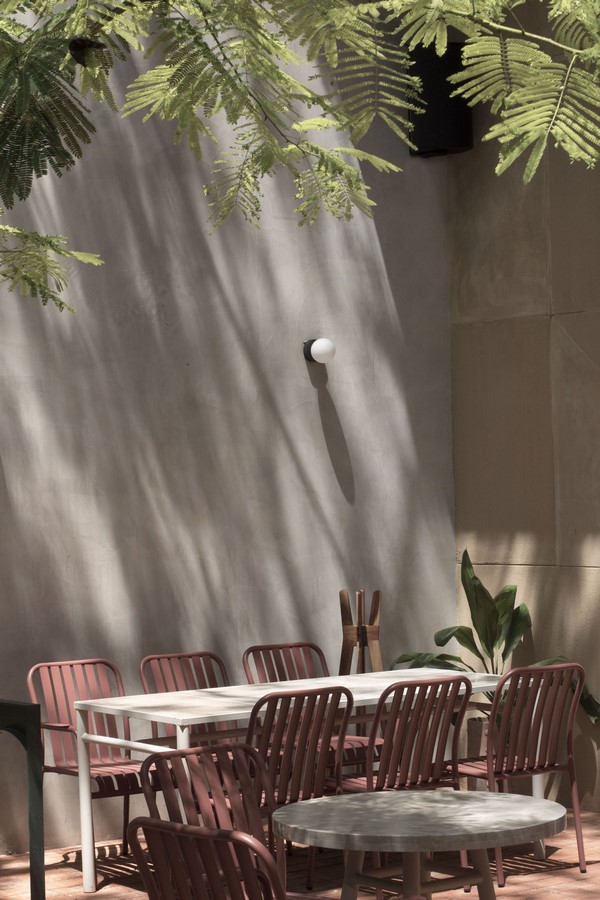
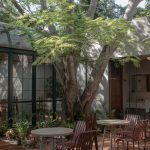
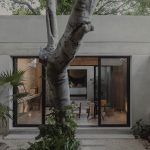
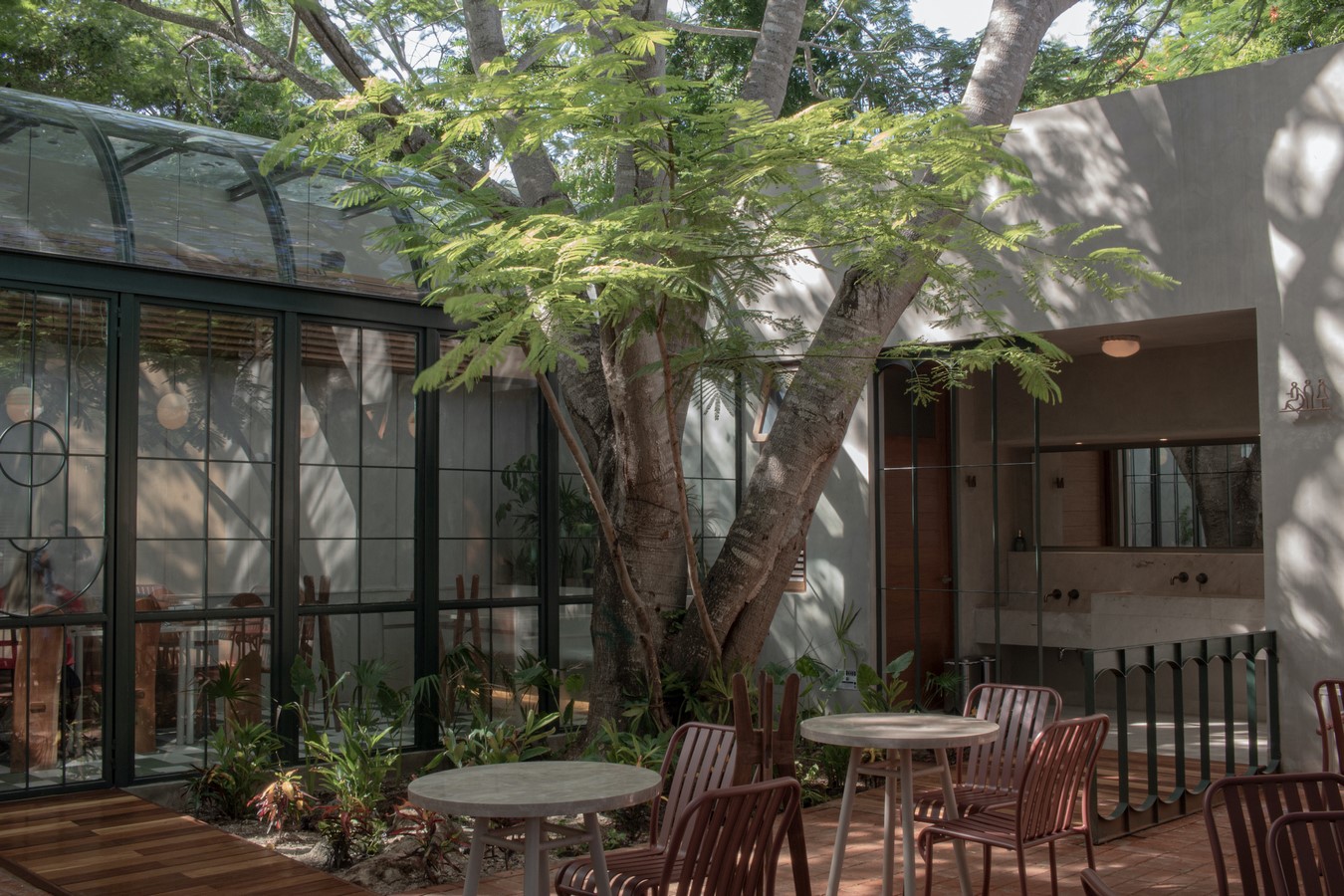
At the rear outdoor terrace, the culinary experience is enriched through a connection with nature. A clay-floored terrace with a green metal structure reminiscent of a glass greenhouse envelops a majestic pich tree, creating a space with a natural and inviting ambiance. The furniture, ranging from wooden chairs and tables indoors to wrought-iron and marble outdoor tables, including custom-made wood windows and doors, embodies the principles of simplicity and functionality, purposefully minimizing the essential elements.
The restaurant emerges as a celebration of the interaction between design, architecture,
nature, and gastronomy. It invites guests to immerse themselves in a distinctive and
meaningful environment, where culinary artistry intertwines with the essence of
architectural design.