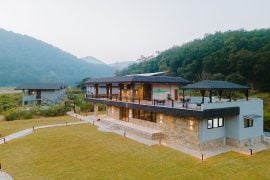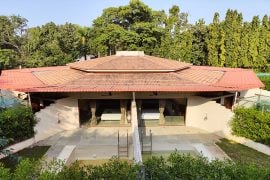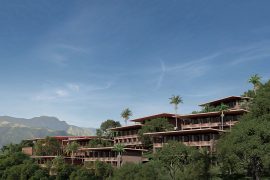
Located along a quieter stretch of Morjim, Goa, Red Thread is conceived as a retreat removed from the energy and bustle associated with the region. Rather than competing with its surroundings, the resort turns inward, creating a slower, more immersive experience in which landscape, water, light, and architecture work together.
Project Name: Red Thread
Studio Name: VJS Architecture & Design
Location: Morjim, Goa
Photographer: Hemant Patil Photographer
The narrow site, with limited sea frontage and a strict G+1 height restriction, shaped much of the design strategy. With the possibility of direct sea views limited to only certain parts of the property, the architects focused on creating a sense of luxury and connection to nature throughout the resort. Spaces were arranged horizontally, with carefully positioned openings, changes in level, and controlled views creating privacy while maintaining a strong relationship with the landscape.
“We wanted every part of the resort to feel considered. Even where a room did not directly face the sea, it was important that guests experienced the same sense of calm and connection to the surroundings,” says Ar. Vaishali Jain Solanki, Principal Architect.
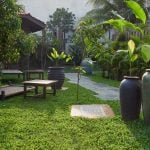
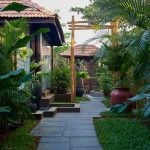
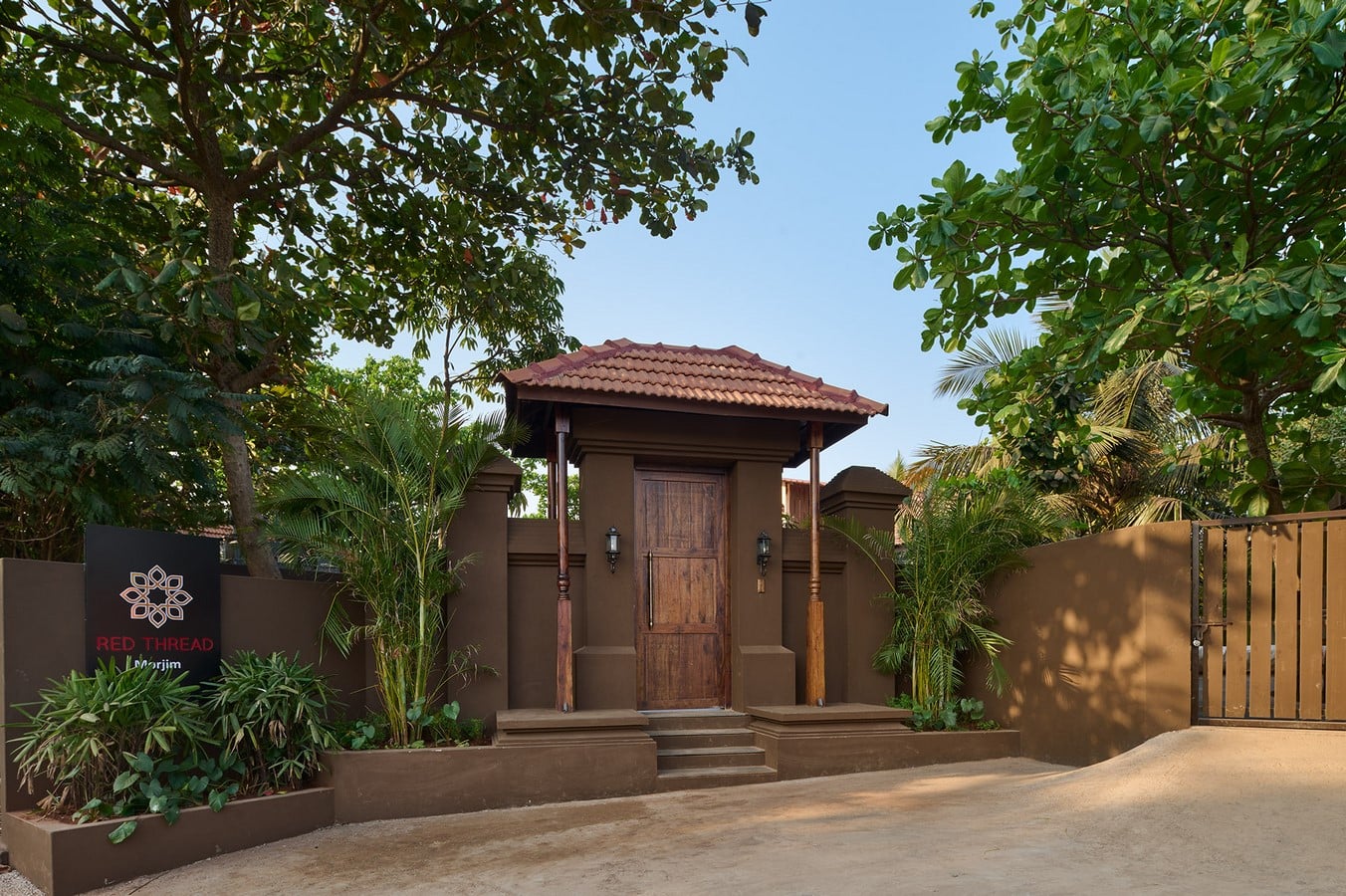
The experience begins at the entrance, where a gate with subtle Balinese influences introduces the character of the resort. Beyond it, dense planting gradually reveals the property. Curving pathways move through layers of vegetation, alternating between tighter and more open moments. The changing scale and density of the landscape create a gradual transition from the outside world into the quieter environment of the resort.
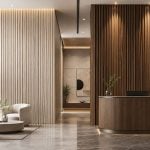
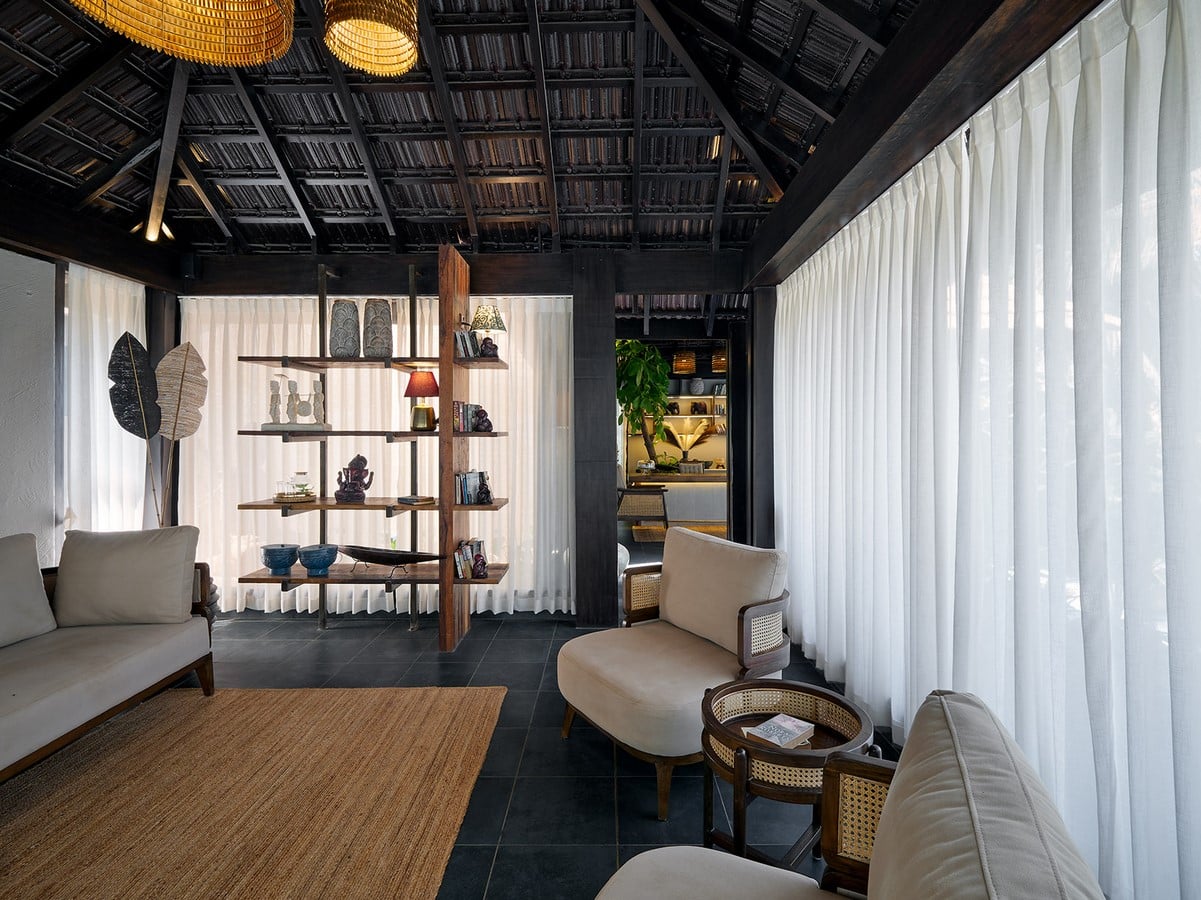
The reception follows the same philosophy. Instead of functioning purely as a check-in point, it is designed as a moment of arrival and pause. An existing tree has been retained and allowed to grow through an opening in the roof slab, making the landscape an integral part of the architecture. The reception counter itself is deliberately understated, formed from a simple concrete base and timber top, allowing natural materials, daylight, and greenery to define the space.
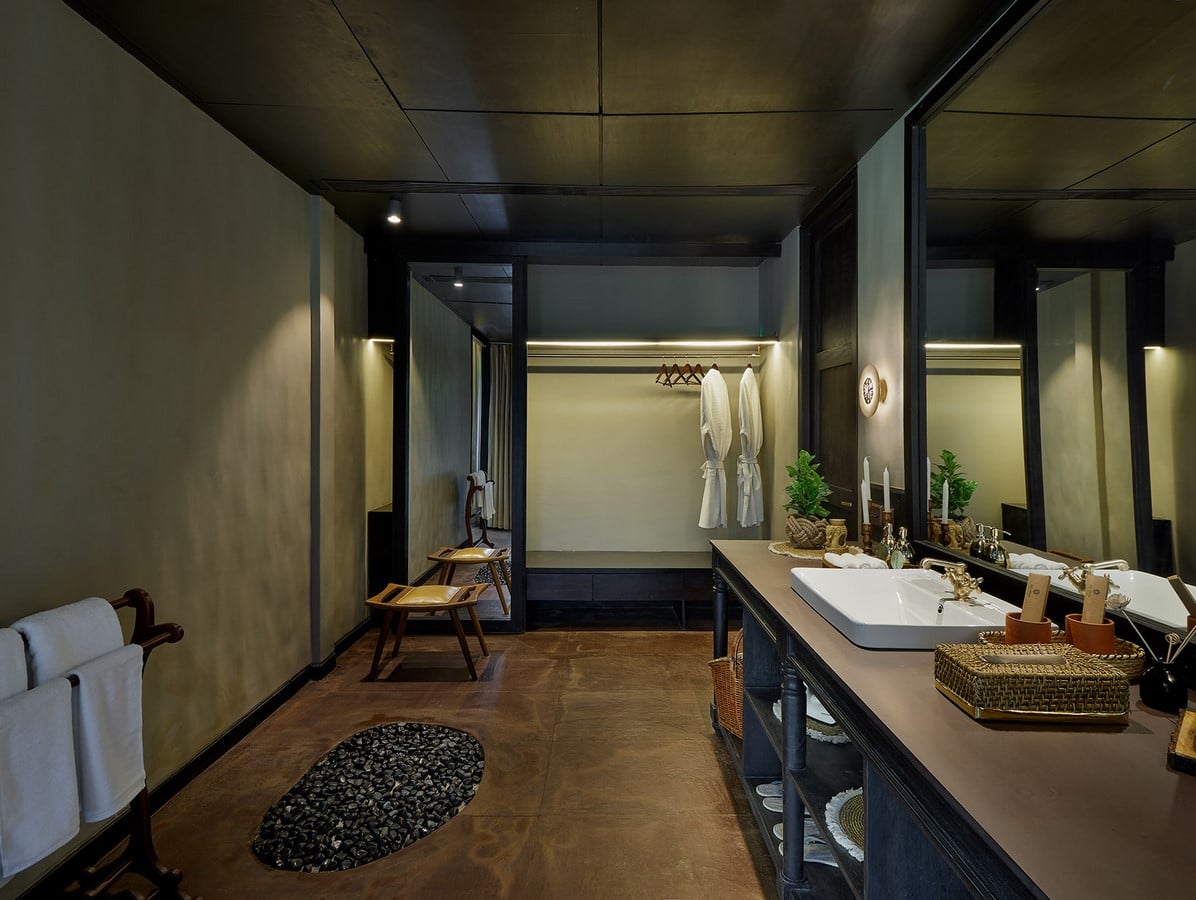
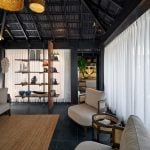
From reception, landscaped paths lead towards the individual villas. Each villa is approached through its own gate and opens into a shaded sit-out designed for quiet moments over breakfast or tea. Timber flooring, natural-fibre-wrapped columns, and woven pendant lights introduce a tactile, relaxed quality. The interiors move through a sequence of levels, transitioning from the sit-out to bedroom and bathroom while gradually increasing privacy.
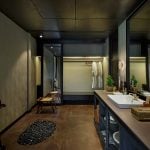
The bathrooms continue this connection with nature through pebble flooring and textured stone surfaces. Rather than treating these spaces as purely functional, the material choices make them part of the overall sensory experience.
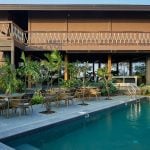
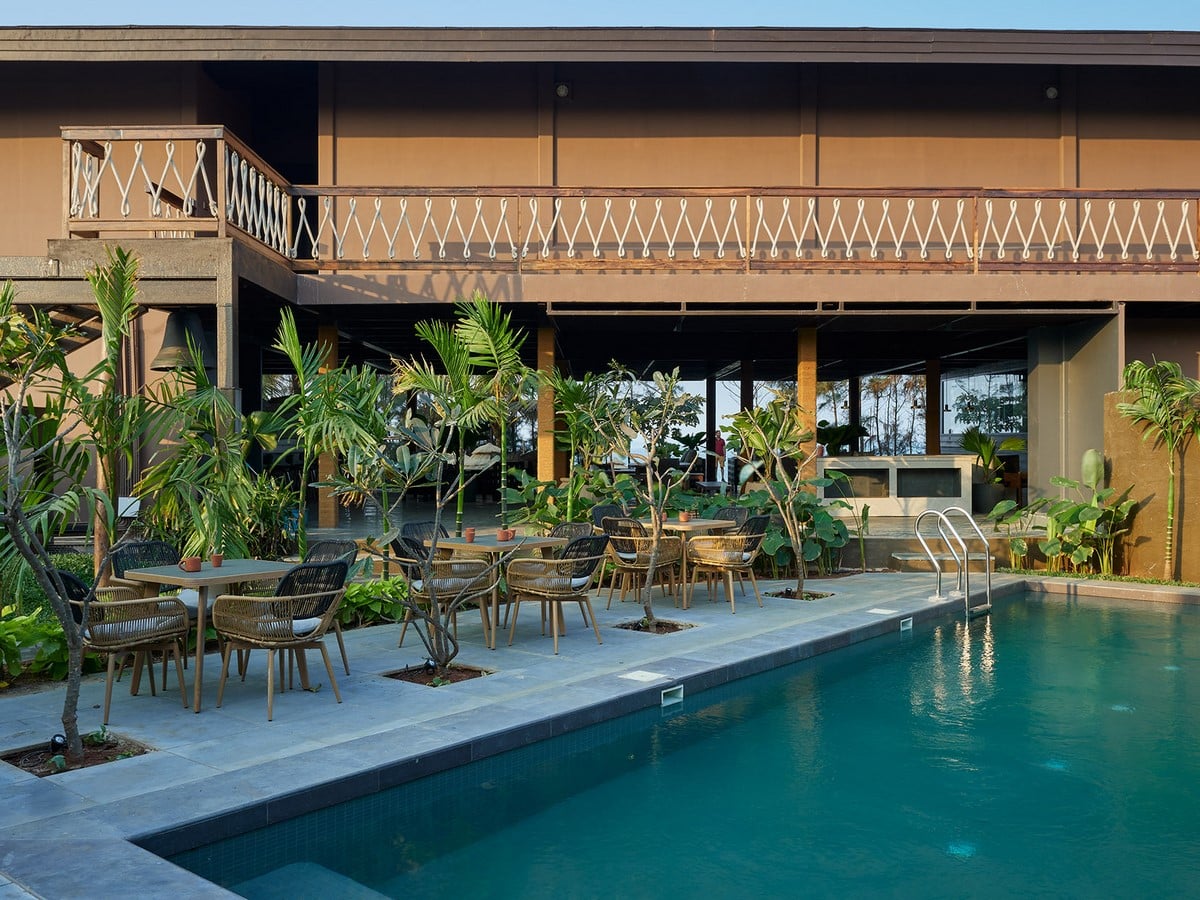
The pathways eventually converge at the central pool, which acts as the social heart of the resort. Surrounded by greenery, timber decking, and stone surfaces, the pool becomes a space for both interaction and retreat. Loungers are positioned to provide a degree of privacy, while the movement of water, filtered sunlight, and surrounding vegetation contribute to the atmosphere.
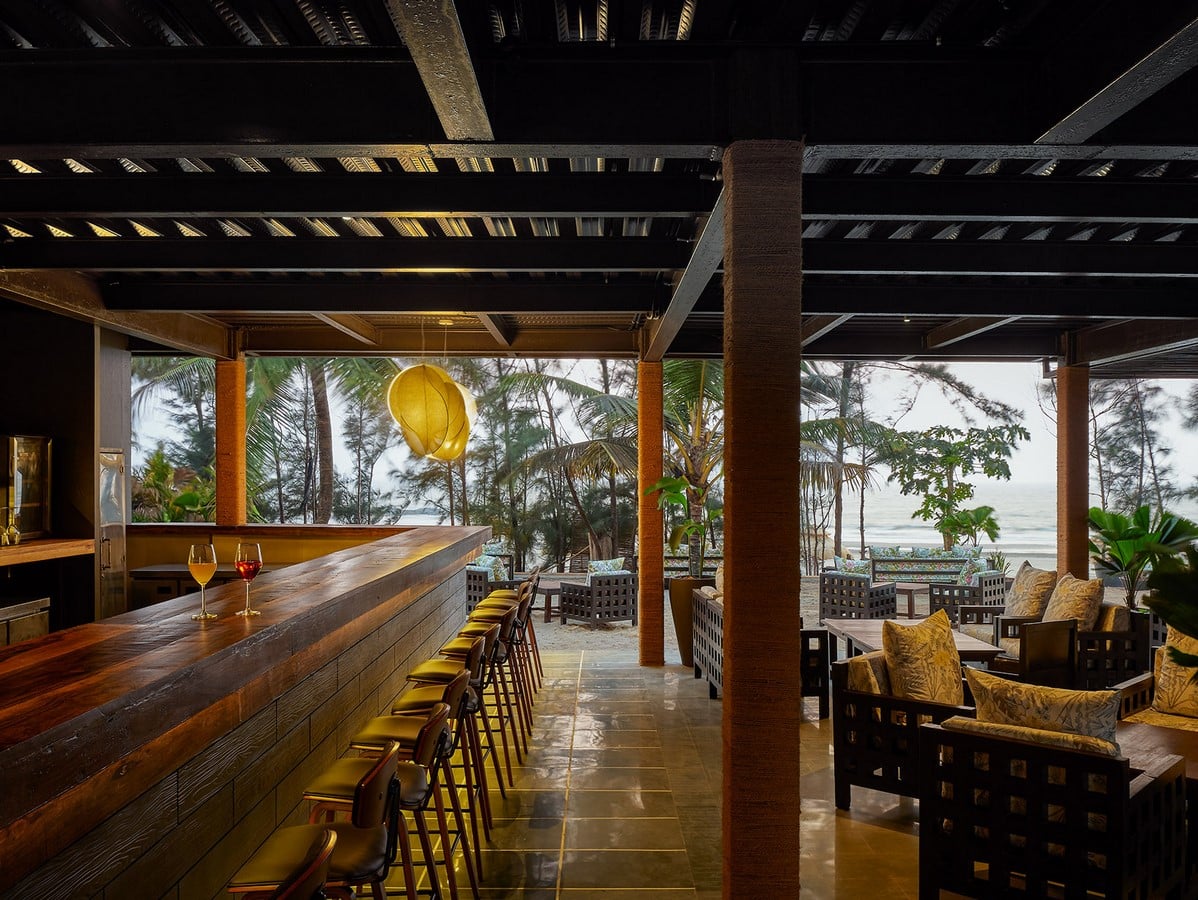
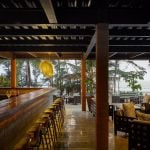
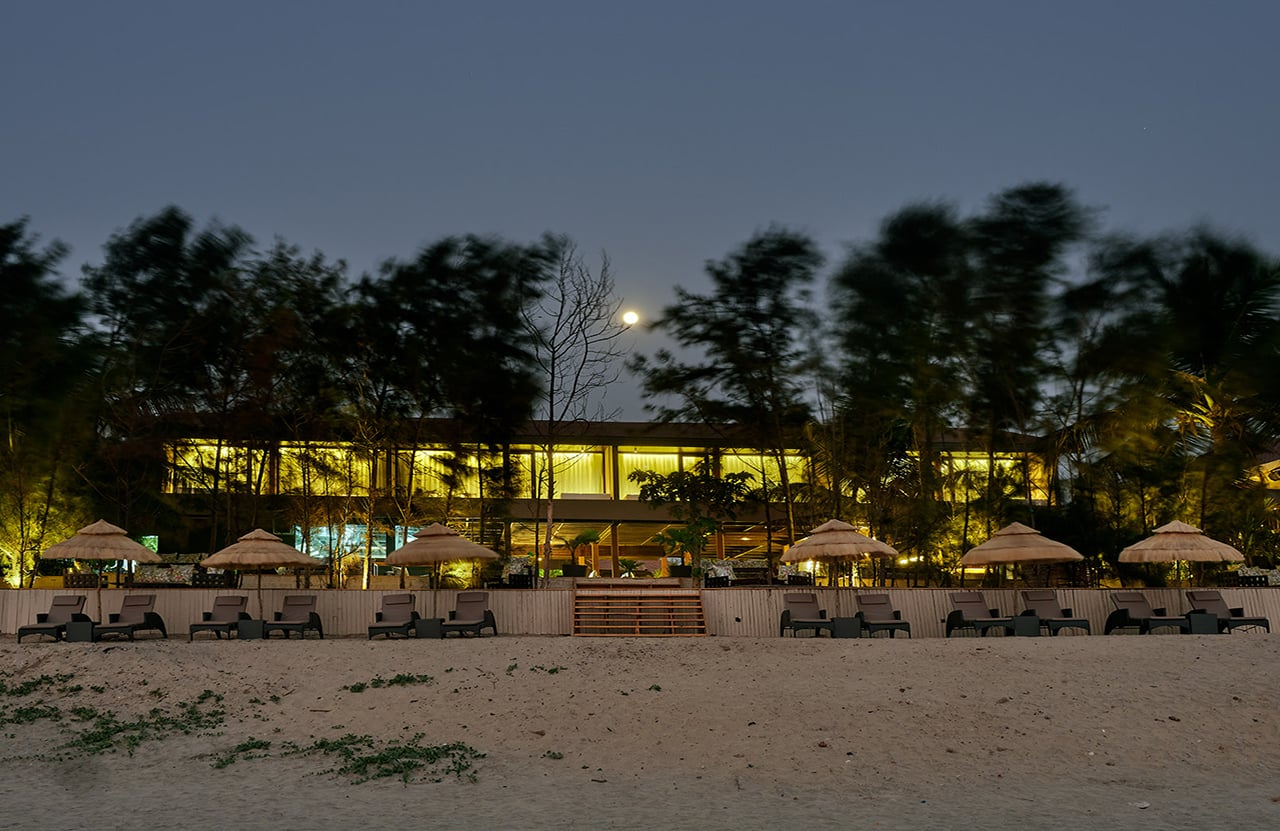
The restaurant sits beyond the pool as a pavilion-like structure. Bamboo roofing and tumbled stone flooring give it a natural, grounded character, while low-profile furniture keeps the surrounding landscape visually dominant. Positioned slightly above the beach level, the restaurant frames selective views towards the sea without overwhelming the setting.
A dedicated pathway connects the resort directly to the beach. This transition from the enclosed, landscaped environment to the openness of the sand and sea forms the final stage of the guest journey, allowing the horizon to be experienced without compromising the sense of privacy established within the resort.
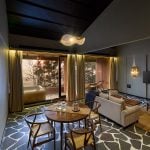
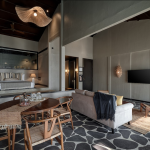
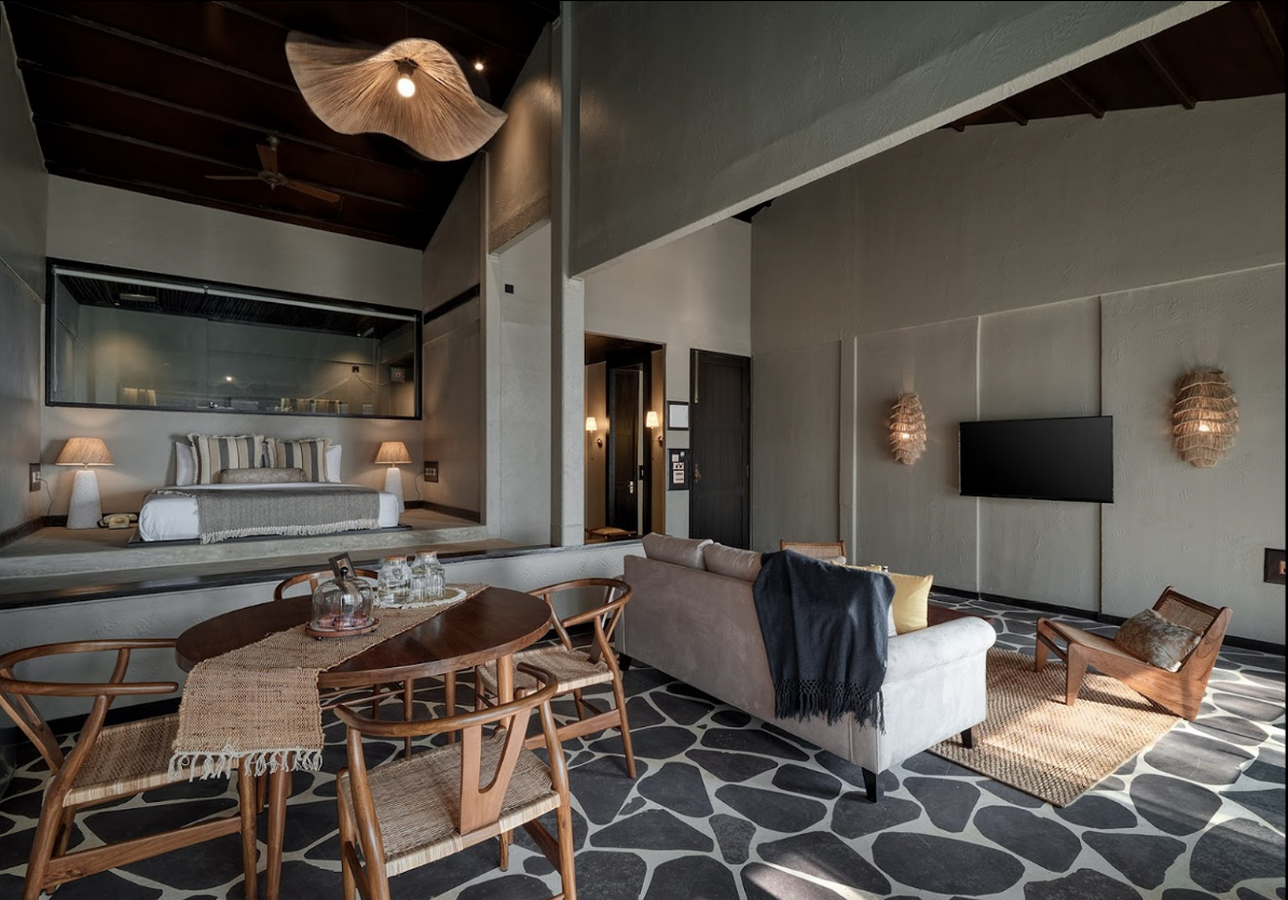
The sea-facing suites occupy the portion of the site where the narrow frontage allows the strongest relationship with the horizon. Their interiors are warm and tactile, combining tumbled stone floors with timber and cane furniture and soft, indirect illumination. The planning is deliberately oriented towards the sea, with raised beds, open living areas, bathrooms, and balconies positioned to maximise views.
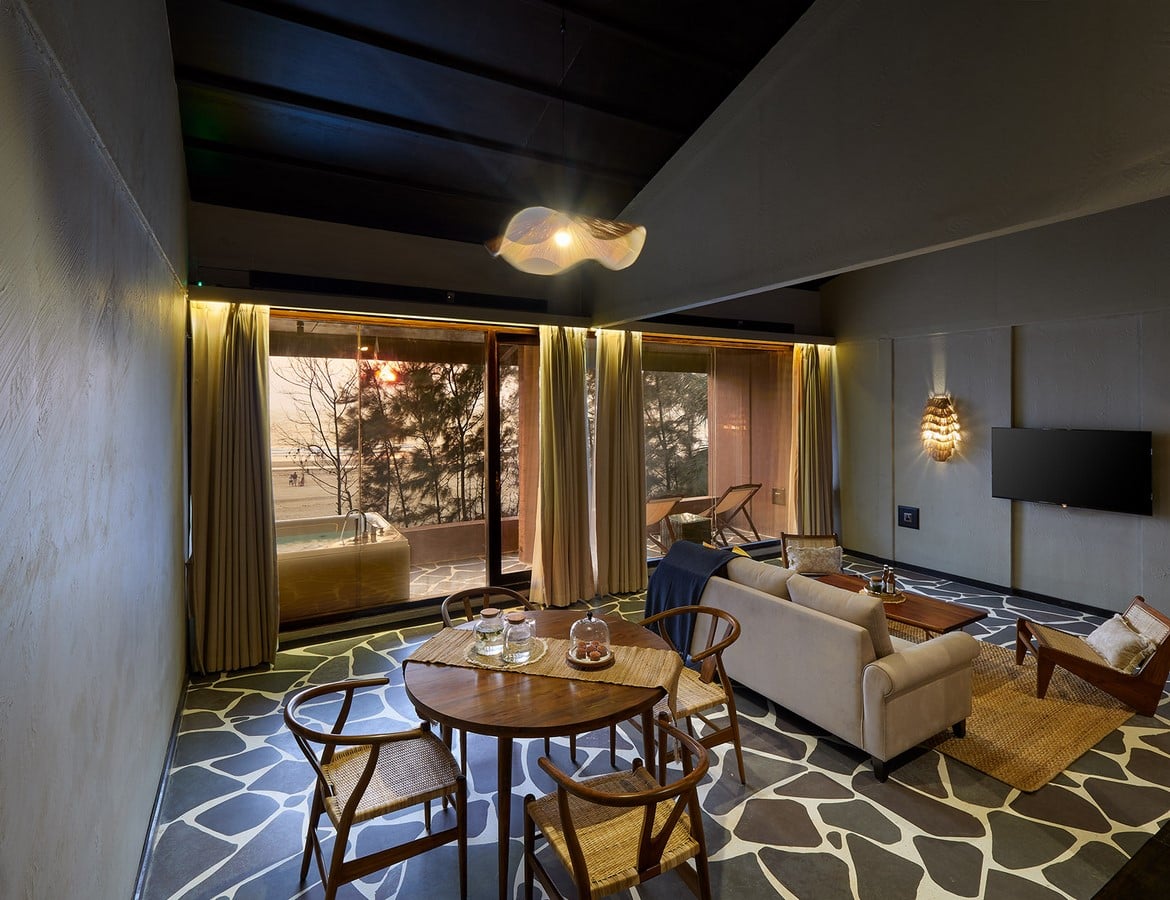
Glass-enclosed showers frame the horizon, while jacuzzis are positioned to capture wider sightlines. Low walls and planters create a sense of elevation and privacy, making everyday activities such as reading, lounging, or enjoying a drink feel connected to the landscape.
As daylight fades, the character of Red Thread changes. The architecture becomes quieter and less visually prominent, while warm artificial light begins to filter through the trees. Textures and architectural edges gradually recede into shadow, allowing the landscape and illumination to take over.
“During the day, the experience is shaped by material and landscape. At night, it becomes about the way light settles into the space,” says Ar. Vaishali Jain Solanki.
Red Thread is therefore defined less by a singular architectural gesture and more by the careful choreography of movement, views, material, planting, and light. The architecture remains deliberately understated, creating space for the landscape and natural elements to lead the experience. The result is a resort that reveals itself gradually, offering a sense of calm and privacy through every transition.