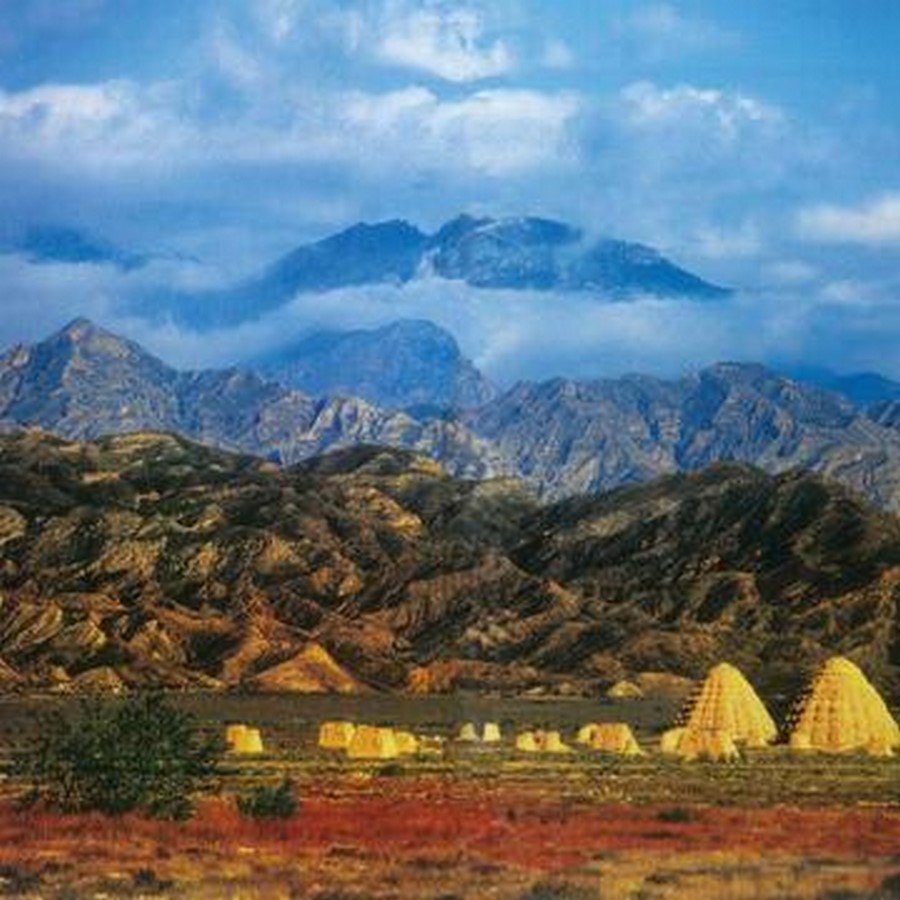
UNESCO has taken a major step in protecting global heritage by adding 26 new sites to the World Heritage List. This decision was made during the 47th session of the World Heritage Committee, held from July 6 to 16, 2025, at UNESCO Headquarters in Paris. The session reaffirmed the global commitment to protect African heritage by recognising places of memory and protecting our shared prehistoric beginnings as human beings.
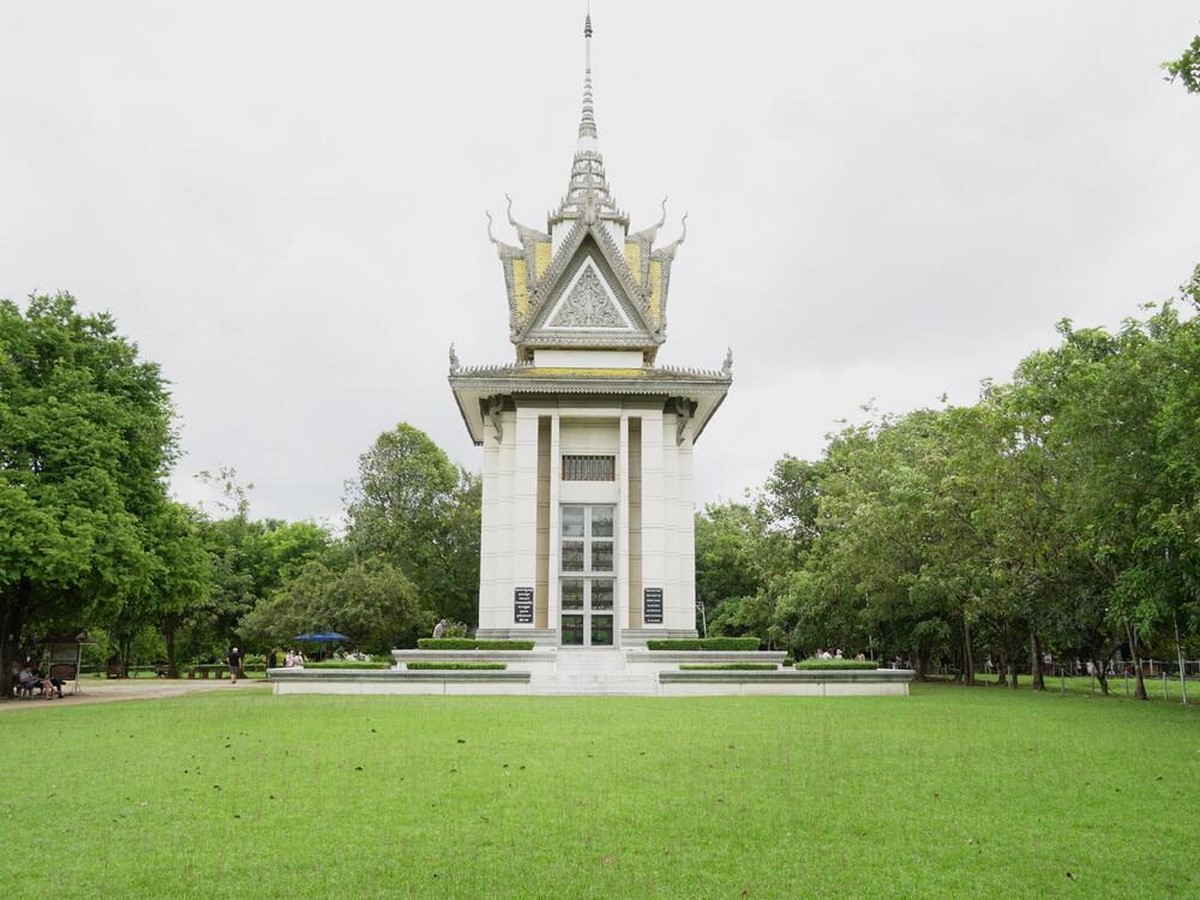
To be added to the UNESCO World Heritage List is not just an honour, it is a designation of the site’s “Outstanding Universal Value”. This designation signifies that the site has cultural and/or natural value deemed so exceptional that its importance transcends boundaries and is important for all people
A Renewed Focus on Africa
UNESCO has been actively working to address the historical underrepresentation of Africa on the World Heritage List. This targeted support includes training local experts to prepare robust nomination files and funding crucial safeguarding projects. With the new additions, Africa is now home to 112 inscribed sites.
The 2025 session marked a milestone, as Guinea-Bissau and Sierra Leone submitted their first-ever nominations, broadening the geographic diversity of the list. This momentum is set to continue, with at least seven other African nations expected to submit new nominations by 2027. These efforts signal a collective push to ensure that the World Heritage List more accurately reflects the richness and diversity of the world’s shared heritage.
Protecting Our Collective Origins
In addition to what was discussed during the conference’s geographical focus, a number of important philosophical shifts were highlighted during the session. One of the key ideas was a renewed commitment to safeguarding the “shared prehistory.” By shared prehistory, they mean sites that are critical to understanding the origins of our species, including paleoanthropological fossil sites, prehistoric rock art caves, and also the remnants of early human settlements. These properties tell a universal story that includes human evolution, human migration, and early culture predating the modern nations that are marking these places, and should be a shared heritage and story for all humankind. So by placing emphasis on these sites, the aspiration of UNESCO is working towards a more balanced and scientifically supported list that reflects a deep, collective shared story on our origins, rather than just being based heavily on monuments from a more recent past.
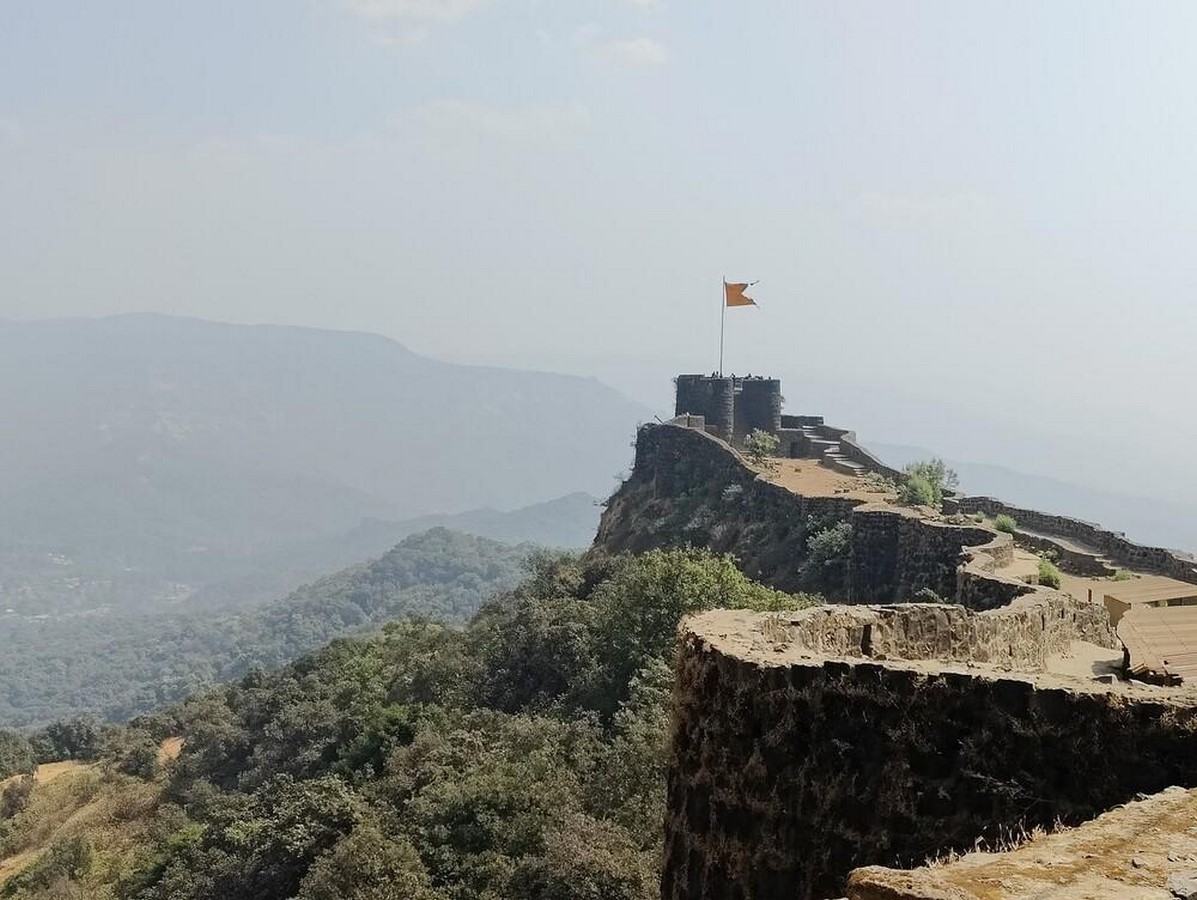
In conclusion, this meeting represented more than simply adding 26 new sites to the list; it signalled a significant turning point. UNESCO is making a conscious effort to ensure the list of world treasures reflects the stories of everyone, rather than just a select few. By emphasising African heritage and our earliest human roots, the organisation is beginning to fill in chapters that have been missing for a long time. The greatest change was the focus on our shared prehistory—the story of universal beginnings. This approach ensures that ancient sites explaining humanity’s journey are recognised as equally important as grand palaces and temples. This development marks a new direction for the World Heritage List, guiding it toward a fuller and more inclusive account of our journey as a species.
References-
Centre, U.W.H. (no date a) 47th session of the World Heritage Committee, UNESCO World Heritage Centre. Available at: https://whc.unesco.org/en/sessions/47COM (Accessed: 27 August 2025).
Centre, U.W.H. (no date b) UNESCO World Heritage Centre. Available at: https://whc.unesco.org/ (Accessed: 27 August 2025).