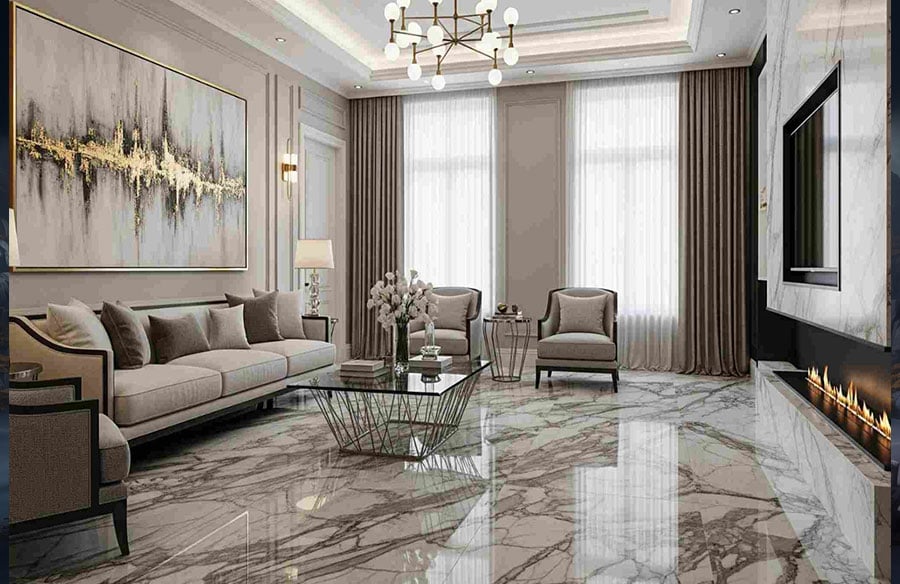
Marble tile pairs best with interior styles that value natural beauty, elegant surfaces, timeless materials, and architectural detail. It works beautifully in classic, modern, transitional, Mediterranean, Art Deco, Scandinavian luxury, and boutique-inspired interiors because its natural veining can feel either dramatic or quietly refined. Depending on the color, finish, tile size, and layout, marble tile can become the main design statement or a soft architectural background that elevates the entire room.
For homeowners and designers looking for a premium natural stone surface, natural marble tile offers a rare balance of elegance, texture, and long-term design appeal. White marble can brighten a small bathroom, grey marble can sharpen a modern interior, cream marble can soften a Mediterranean space, and bold veined marble can bring personality to a luxury kitchen, entryway, or powder room. The key is not simply choosing marble, but choosing the right marble look for the right interior style. Solidshape presents this guide to explore which interior styles pair best with marble tile and how its natural veining, elegant surface, and timeless character can elevate different design concepts.
Why Does Marble Tile Work Across So Many Interior Styles?
Marble tile is versatile because it is both natural and architectural. Unlike plain surfaces that rely only on color, marble brings movement through veining, mineral variation, soft tonal shifts, and organic pattern. This gives each installation a sense of depth that can make a room feel more designed, even when the rest of the interior is simple. Another reason marble tile works across many interior styles is the range of available colors and finishes. White marble feels bright, clean, and classic. Cream and beige marble feel warm, soft, and relaxed. Grey marble supports contemporary and urban interiors, while black or strongly veined marble adds drama to luxury spaces. A polished finish creates reflection and formality, while a honed finish feels softer, calmer, and more understated. Marble tile can also be used in many areas of a property. It works on bathroom floors, shower walls, kitchen backsplashes, fireplace surrounds, entryways, foyers, powder rooms, living room feature walls, and hospitality-style interiors. In some projects, marble tile is used as flooring to create continuity. In others, it is used only on one wall or backsplash to create a controlled focal point. The surrounding materials strongly influence how marble is perceived. Pair marble with brass, carved wood, and decorative molding, and it feels classic. Pair it with glass, flat-panel cabinetry, and slim black fixtures, and it feels modern. Pair it with linen, terracotta, and warm wood, and it becomes Mediterranean. Pair it with geometric patterns and bold contrast, and it can support an Art Deco direction. For buyers still comparing veining, finish, and tile size, Solidshape’s guide on how to choose marble tile by veining, finish, and size can be a useful next step. These details matter because the same marble tile can look completely different depending on whether it is used in a large-format floor, a polished bathroom wall, a small backsplash, or a decorative layout.
Which Classic, Traditional, and Transitional Interiors Pair Best With Marble Tile?
Classic and traditional interiors are among the most natural matches for marble tile. These styles often rely on symmetry, proportion, refined materials, and long-lasting design details. Marble tile supports that language because it has been associated with elegant architecture, formal bathrooms, grand foyers, and premium interiors for generations. In classic interiors, white, cream, or soft grey marble tile usually works best. Polished marble can bring a more formal appearance, especially in foyers, powder rooms, and bathrooms. Honed marble can still feel traditional, but with a quieter and more livable surface. Decorative borders, checkerboard layouts, basketweave mosaics, and framed floor patterns can also help marble feel connected to traditional design. Traditional bathrooms often benefit from marble tile because the material pairs well with vanities, mirrors, lighting, and metal fixtures. A white marble bathroom with soft veining can feel clean and elegant without looking cold. Brass, nickel, or chrome fittings can change the mood: brass feels warmer and more classic, while polished nickel feels refined and timeless. Marble tile also works beautifully in transitional interiors. Transitional design blends traditional warmth with modern simplicity, which makes marble especially useful. For example, a marble tile backsplash can sit behind simple shaker cabinets, a natural wood island, and brushed metal hardware. The result feels updated but not trendy. In living rooms and entryways, marble tile can support a formal but comfortable atmosphere. It can be used around a fireplace, on a feature wall, or as flooring in a defined entry area. When paired with soft neutral paint, layered textiles, and warm wood furniture, marble becomes elegant without feeling overly grand. The key in classic and transitional interiors is balance. If the marble has dramatic veining, keep other surfaces calmer. If the room already includes detailed moldings, patterned rugs, or ornate furniture, choose a more subtle marble tile. This prevents the space from feeling visually crowded and allows the marble to contribute elegance rather than excess.
 How Does Marble Tile Fit Modern, Minimalist, and Scandinavian Luxury Design?
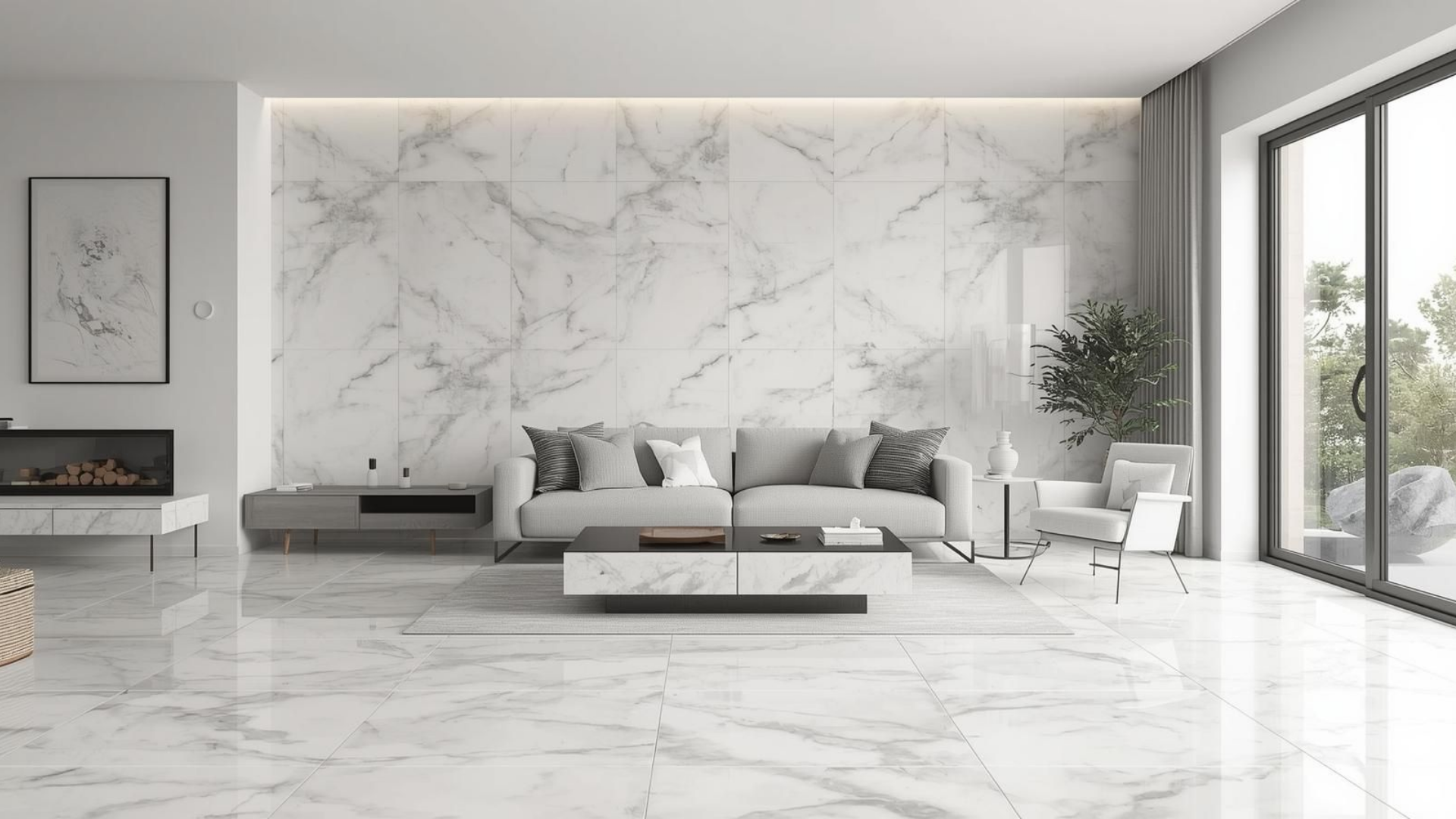
Marble tile can work extremely well in modern interiors when it is used with restraint. Modern design often values clean lines, open space, simple forms, and carefully selected materials. Marble adds natural movement to this simplicity, helping the room feel warm and premium instead of flat or sterile. Large-format marble tile is especially effective in modern spaces. Fewer grout lines create a cleaner visual field, which suits bathrooms, open-plan floors, shower walls, and feature walls. White marble with soft grey veining is a strong choice for minimalist bathrooms and kitchens because it brightens the space without adding too much visual noise. Grey marble can create a more urban, architectural look. In minimalist interiors, marble should usually be treated as either the main feature or a quiet background. It is better not to combine multiple strong stones, heavy wood grains, bold wallpapers, and decorative patterns in the same room. A simple marble shower wall, a clean marble backsplash, or a honed marble floor can be enough to define the space. Scandinavian luxury interiors also pair well with marble tile. This style often combines light colors, natural wood, simple furniture, and soft textures. Marble can add a refined stone element without overpowering the calm atmosphere. White or light grey marble works well with pale oak, linen, soft beige walls, and simple black or brushed metal accents. For contemporary homes, marble tile can be used to create contrast. A dark vanity against white marble, matte black fixtures against grey marble, or warm wood cabinetry against cool marble veining can make the room feel layered and intentional. Lighting is also important: soft recessed lighting or wall sconces can highlight the stone without making the room feel too glossy. The biggest mistake in modern marble tile design is overcomplication. Marble already has natural pattern and movement, so the rest of the design should support it. Clean cabinetry, simple furniture, controlled color palettes, and careful grout selection help marble tile feel modern rather than busy.
Does Marble Tile Suit Mediterranean, Art Deco, and Boutique-Inspired Interiors?
Marble tile also pairs well with more expressive interior styles, especially Mediterranean, Art Deco, and boutique hotel-inspired spaces. These styles use marble differently, but they all benefit from its natural variation and premium surface character. In Mediterranean interiors, marble tile works best when it feels warm, relaxed, and connected to natural materials. Cream, beige, ivory, and lightly veined marble can pair beautifully with arched openings, plaster walls, terracotta accents, linen curtains, natural wood furniture, and greenery. The goal is not to make the room look overly polished, but to create a soft and timeless atmosphere. Mediterranean bathrooms and kitchens can use marble tile on floors, backsplashes, vanity walls, or shower areas. A honed or softly finished marble may feel more appropriate than a highly reflective surface, especially if the rest of the design includes rustic wood or handmade textures. Warm lighting can also bring out the softness of beige and cream marble tones. Art Deco interiors use marble in a more dramatic way. Strong veining, black-and-white contrast, polished surfaces, geometric layouts, brass details, and statement lighting can all support an Art Deco mood. Black marble, white marble with bold veining, or checkerboard marble floors can create a glamorous effect when used carefully. Boutique-inspired interiors often use marble tile to create a memorable focal point. Powder rooms, vanity walls, hotel-style bathrooms, fireplace surrounds, and entryways are ideal places for this approach. A bold marble tile can make a small room feel special, especially when paired with wall sconces, mirrors, custom cabinetry, and refined metal finishes. For luxury interiors, marble does not always need to cover every surface. Sometimes the most elegant result comes from using it selectively. A single marble wall behind a freestanding tub, a marble fireplace surround in a living room, or a marble backsplash in a kitchen can deliver a high-end impression without overwhelming the entire design.
How Should You Choose Marble Tile for Each Interior Style?
Choosing marble tile begins with understanding the design mood you want to create. A calm minimalist bathroom needs a different marble than a dramatic Art Deco powder room. A traditional foyer may need a classic polished layout, while a Mediterranean kitchen may look better with warm tones and softer veining.
Important selection factors include marble color, veining strength, tile size, finish, grout color, room size, natural light, furniture style, cabinetry, metal finishes, and maintenance expectations. The more visible the area is, the more important it becomes to review real samples before making a final decision. Marble is a natural stone, so variation is part of its character.
Use the table below as a practical starting point.
| Interior Style | Best Marble Look | Recommended Finish | Best Applications | Design Tip |
| Classic Traditional | White, cream, or soft grey marble | Polished or honed | Foyers, bathrooms, fireplace surrounds | Use symmetry, borders, or refined grout lines |
| Modern Minimalist | White or light grey marble with subtle veining | Honed or polished | Shower walls, floors, backsplashes | Keep other materials simple and controlled |
| Transitional | Soft white, beige, or grey marble | Honed or polished | Kitchens, bathrooms, entryways | Pair with wood, neutral paint, and brushed metal |
| Mediterranean | Cream, beige, ivory, or warm-toned marble | Honed or tumbled where suitable | Bathrooms, kitchens, relaxed living spaces | Combine with terracotta, linen, plaster, and greenery |
| Art Deco | High-contrast marble or bold veining | Polished | Powder rooms, floors, vanity walls | Add brass, mirrors, and geometric layouts |
| Scandinavian Luxury | White or pale grey marble | Honed | Bathrooms, kitchens, feature areas | Pair with pale wood and soft neutral textiles |
| Boutique Hotel Inspired | Dramatic veining or rich contrast | Polished or honed | Powder rooms, shower walls, fireplace features | Use lighting and mirrors to enhance the stone |
The finish is especially important. Polished marble reflects light and can feel formal, bright, and luxurious. Honed marble has a softer matte surface that often works better in relaxed, modern, or understated interiors. Brushed or tumbled finishes can support more rustic or aged design directions, although suitability depends on the specific stone and application.
Tile size also changes the final effect. Large-format marble tile feels cleaner and more contemporary. Smaller marble tiles, mosaics, and decorative layouts feel more detailed and traditional. A narrow grout line can make marble feel seamless, while a contrasting grout line can emphasize pattern and geometry.
The best choice depends on the project’s style, room function, light level, budget, and long-term maintenance expectations. Marble is a premium natural material, but it requires thoughtful selection. Buyers who want a perfectly uniform surface or very low maintenance may also compare porcelain, ceramic, quartz, or other stone options before deciding.
What Are the Best Rooms and Applications for Marble Tile?
Marble tile can improve many rooms, but it should be selected according to how the space is used. Bathrooms are one of the most popular applications because marble naturally supports a spa-like, elegant atmosphere. Marble tile can be used on bathroom floors, shower walls, vanity backsplashes, tub surrounds, and feature walls.
In kitchens, marble tile is often used as a backsplash or accent surface. It pairs well with white cabinets, natural wood, dark cabinetry, brass hardware, and stone countertops. A marble tile backsplash can make a kitchen feel more finished and premium without requiring the entire room to be covered in stone.
Entryways and foyers are also strong locations for marble tile. These spaces create the first impression of a home, and marble can immediately communicate quality and architectural intention. A classic marble floor, a checkerboard layout, or a large-format marble entry can make the transition from outside to inside feel more refined.
Living rooms can use marble tile on fireplace surrounds, media walls, or decorative feature walls. A marble fireplace surround works especially well in classic, transitional, and contemporary luxury interiors. In modern homes, a marble feature wall can create texture and contrast without adding unnecessary decoration.
Powder rooms are ideal for more expressive marble choices. Because powder rooms are smaller and used for shorter periods, homeowners can often take more design risks. Bold veining, darker marble, polished finishes, and dramatic lighting can work beautifully in these spaces.
Commercial interiors can also benefit from marble tile. Luxury retail stores, boutique hotels, reception areas, restaurants, salons, and premium offices often use marble to create a strong design impression. In these spaces, durability, finish, slip resistance, and maintenance planning should be carefully reviewed with professionals.
When comparing marble tile with other materials, the right choice depends on priorities. Porcelain tile can offer lower maintenance and strong consistency. Ceramic tile can be budget-friendly and practical for walls. Travertine and limestone offer softer, warmer natural stone looks. Wood flooring brings warmth but cannot create the same stone character. Quartz surfaces may be practical for countertops, while marble tile is often preferred for walls, floors, and decorative architectural areas where natural variation is part of the appeal.
Is Marble Tile the Right Choice for Your Interior Style?
Marble tile is the right choice when the goal is to create an interior that feels natural, premium, elegant, and timeless. It pairs especially well with classic, modern, transitional, Mediterranean, Art Deco, Scandinavian luxury, and boutique-inspired interiors. Its greatest strength is that it can adapt to different design moods while still keeping the authenticity of natural stone. It may not be the best option for every project. If you want a perfectly uniform surface, very low maintenance, or a material with no natural variation, porcelain or ceramic tile may be more suitable. If you love natural character, unique veining, and a refined architectural finish, marble tile is one of the strongest interior design choices available. The final result depends on choosing the right color, finish, size, layout, grout, and surrounding materials. A subtle marble can make a room feel calm and timeless. A bold marble can turn a wall, floor, or backsplash into a statement feature. In both cases, the best designs use marble intentionally rather than randomly.