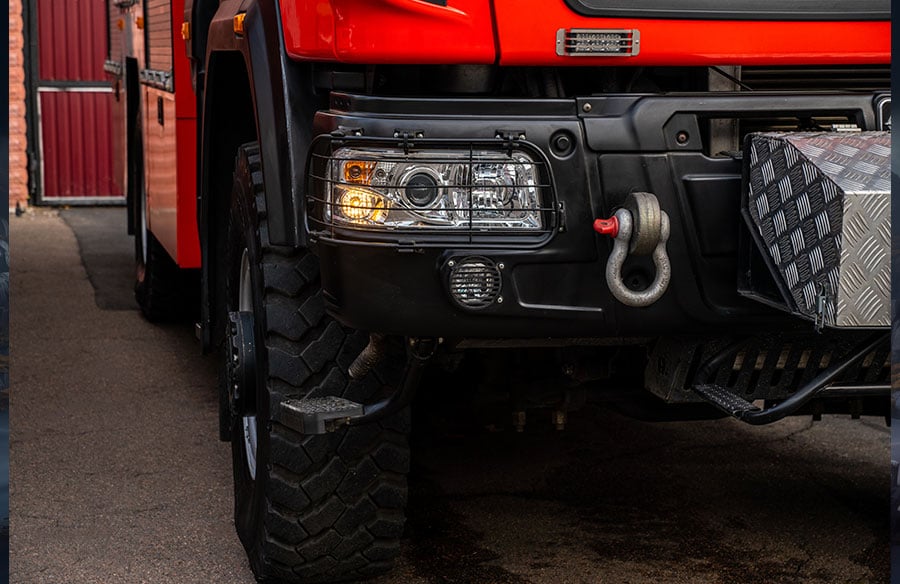
Off-road modification is rarely a straightforward process. You cannot just bolt accessories on and expect the vehicle to handle the same as it did leaving the showroom. It is a balancing act of physics. While many people spend hours researching the best bull bar for D-MAX builds to improve front-end protection, they often forget the consequences of that choice.
Adding steel weight to your nose without upgrading your suspension is a recipe for trouble. It creates a domino effect that forces your factory gear to work harder, compromises your safety, and eventually leads to costly mechanical repairs.
Knowing How Weight is Distributed in the Front-End
The immediate issue with a heavy steel bull bar is, quite simply, the weight. Vehicle manufacturers calibrate factory suspension to support specific tolerances. When you add that much mass over the front axle, you inevitably cause the nose to drop. This phenomenon, known as front-end sag, does more than ruin the vehicle’s stance. It forces the front springs to operate outside their intended compression range.
You will notice the difference almost immediately. The ride becomes jarring and harsh because the suspension loses the travel needed to absorb impacts. If you hit a speed hump or a washout in the bush, the vehicle is likely to bottom out because there is no longer any cushion left in the system. Your daily commute starts to feel like a punishment rather than a drive.
Prioritising Handling and Safety Dynamics
This change in geometry flows into your steering and braking, which presents a legitimate safety concern. A vehicle riding low in the nose often experiences altered steering feedback and increased body roll. It struggles to track accurately through corners, making it less predictable in an emergency. When you pair an upgraded suspension system with your new front bar, you restore the vehicle to its optimal height.
Aftermarket kits use springs with higher load ratings and shock absorbers with stiffer valving. This setup manages the extra weight effectively. You regain your steering response and cornering stability, even when the front end is fully equipped for remote touring. There is another benefit too. Proper ride height ensures your headlights aim where they should, improving your visibility at night and stopping you from dazzling oncoming traffic.
A Coordinated Approach to Mechanical Longevity
There is a practical and financial case for doing these jobs at the same time. When you install new suspension, you need a professional wheel alignment to ensure the toe, camber, and caster settings are correct for your new ride height.
If you install a bull bar today and upgrade the suspension months later, you end up paying for two alignments and two separate workshop sessions. Bringing both components in at once lets the technician set everything up perfectly from the start. They can ensure the springs and shocks are matched to the weight of your bar and any other gear, like a winch or light bar.
You get a balanced, predictable vehicle from the moment you leave the workshop. Ignoring this relationship causes long-term fatigue in other areas of the vehicle. A suspension system struggling under the weight of an uncompensated front end puts massive stress on control arm bushes, ball joints, and the steering rack. Proactively choosing a suspension upgrade rated for the added mass preserves the life of these critical items.
Final Thoughts
Taking the time to align your suspension upgrade with the installation of your front-end protection is one of the smartest investments you can make. It protects your suspension, preserves your steering geometry, and ensures your vehicle drives as the manufacturer intended, even when it is carrying extra weight. By addressing these needs together, you avoid the pitfalls of a disjointed build. You guarantee that your vehicle is ready for the road ahead, providing peace of mind whether you are navigating the morning commute or tackling a challenging off-road track.