Few spaces in a home are asked to perform as much as the kitchen. It is where functionality and atmosphere must coexist, where technical planning meets daily ritual. Good kitchen design is not simply about cabinetry or surface finishes; it is about creating a space that works intuitively while feeling cohesive within the broader architecture of the home.
Whether part of a new build or a Kitchen Remodel, the principles that underpin successful kitchen design remain consistent. Layout, light, and longevity form the foundation of a kitchen that not only looks resolved but continues to perform over time.
Layout: The Framework of Function
At its core, kitchen design is spatial planning. Before materials, colours, or appliances are considered, the physical arrangement of the space must be resolved.
Effective layouts prioritise movement and workflow. The classic “work triangle” between sink, hob, and refrigerator remains relevant, but modern kitchens often expand beyond this concept. Islands, breakfast bars, and secondary prep areas introduce additional layers of circulation that must be carefully balanced.
Key considerations include:
- Clear pathways that prevent bottlenecks
- Adequate landing space around appliances
- Proportionate island sizing relative to room scale
- Logical zoning between preparation, cooking, and social areas
In open-plan homes, the kitchen frequently connects directly to dining and living spaces. As a result, kitchen design must account for sightlines and visual integration. Cabinetry elevations, extractor placement, and even appliance positioning influence how the space reads from adjacent rooms.
A well-considered layout rarely draws attention to itself. Instead, it feels intuitive.
Light: Creating Atmosphere and Clarity
Lighting is one of the most underestimated elements of kitchen design. Relying solely on overhead downlights can leave the space feeling flat and clinical, regardless of material quality.
Effective kitchens use layered lighting strategies:
- Ambient lighting for overall balance
- Task lighting for preparation areas
- Accent lighting to introduce depth
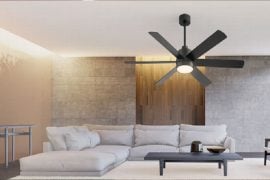
- Decorative fixtures to add identity
Natural light also plays a defining role. Window placement, glazing scale, and orientation influence material selection and colour tone. Surfaces that appear warm in one setting can feel stark in another if light has not been carefully considered.
During a Kitchen Remodel, lighting often presents an opportunity for transformation. Introducing under-cabinet lighting, integrated shelf illumination, or architectural pendants can redefine how the space feels without altering its structural footprint.
When light is thoughtfully integrated, it elevates the experience of the kitchen beyond function and into atmosphere.
Longevity: Designing Beyond Trends
Trends in kitchen design evolve quickly. Colour palettes, handle styles, and appliance finishes shift with each season. Yet the most successful kitchens are those that feel relevant long after initial installation.
Longevity is achieved through restraint and proportion rather than novelty.
This includes:
- Selecting materials with proven durability
- Avoiding overly complex detailing
- Ensuring cabinetry proportions feel balanced
- Choosing finishes that complement the wider home
Longevity also relates to performance. Storage solutions should anticipate changing needs, from family growth to entertaining habits. Integrated systems for waste, recycling, and concealed appliances contribute to a kitchen that adapts over time.
Engaging professional Interior Design Services can be particularly valuable in this context. Experienced designers consider not only immediate aesthetics but also how the kitchen will function five or ten years into the future. Decisions about joinery depth, material resilience, and spatial flexibility have long-term impact.
A kitchen designed for longevity becomes an investment rather than a recurring renovation.
Materiality and Cohesion
Beyond layout and lighting, material selection defines how kitchen design connects to the broader home. In contemporary properties, continuity between kitchen and living spaces is essential. Flooring transitions, cabinetry tones, and wall finishes should feel deliberate rather than abrupt.
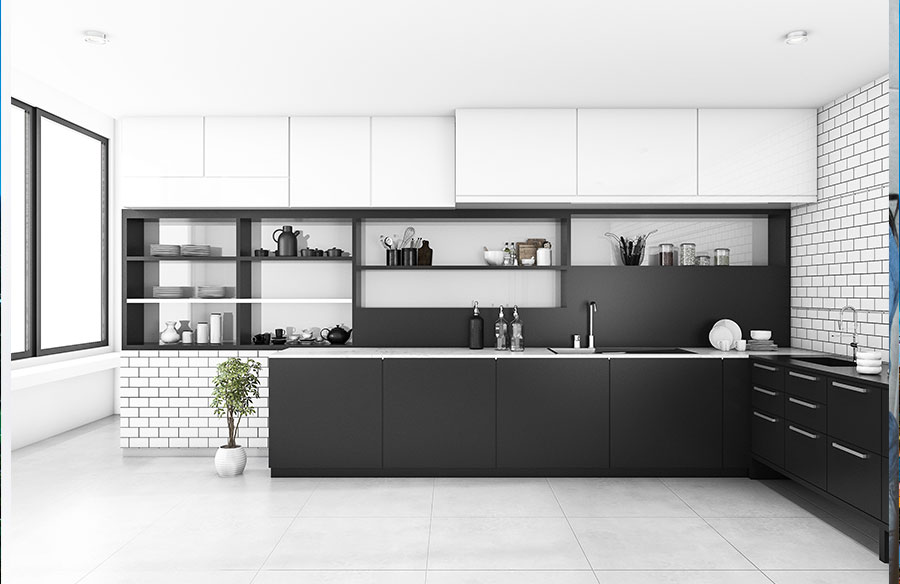
Natural materials such as timber and stone introduce warmth and texture, counterbalancing the precision of cabinetry lines. Matte finishes often provide a softer visual presence than high-gloss alternatives, particularly in open-plan settings.
During a Kitchen Remodel, material choices frequently determine whether the updated space feels integrated or isolated. Cohesion should extend beyond the kitchen itself, supporting the architectural language of the property.
The Importance of Early Planning
One consistent thread across successful projects is timing. Kitchen design benefits from early involvement in both new builds and renovations.
When layout, lighting, and material selections are considered at the outset, the result is far more cohesive. Structural decisions, electrical planning, and mechanical systems can be aligned with the design intent rather than adjusted retrospectively.
Interior Design Services often play a key role at this stage, coordinating between contractors, architects, and suppliers to ensure that design decisions translate accurately into built form. Early collaboration reduces compromise and enhances overall outcome.
Conclusion
Good kitchen design is not defined by spectacle. It is defined by clarity of planning, quality of light, and durability of materials. Layout establishes functionality, lighting shapes atmosphere, and longevity ensures lasting value.
Whether approached as part of a new construction project or a considered Kitchen Remodel, these foundations remain constant. When carefully resolved, kitchen design moves beyond aesthetics and becomes the structural heart of the home — a space that performs effortlessly while contributing meaningfully to the wider architectural story.