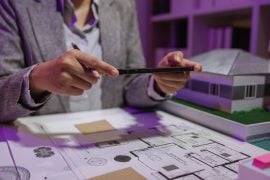
When people think about architecture, they usually imagine buildings, big ideas, creative work and a lot of sketches that turn eventually into real spaces, but there is another side to it. Every firm is also a business. It needs clients, it needs to grow and it needs people to trust it before any project even begins.
A lot of teams focus only on design. That makes sense because good work is the base of everything. But today, many studios produce strong work and clients have many options.
So how do they choose?
In many cases, they go with the one that feels more clear, more organized, and easier to understand. That feeling does not come only from the projects. It comes from how the business presents itself every day.
Why Identity Matters So Much
The architecture world is crowded and there are many skilled firms offering similar services. That makes it harder to stand out by showing work alone so that is why identity is so important. It helps people remember you and makes you feel stable and trustworthy.
Studies show that consistent branding can increase revenue by up to 23%. That’s a strong signal that presentation matters.
Clients do not always study every detail but often choose based on what feels right. A clear and consistent image builds confidence from the start. And confidence leads to better chances of being selected.
Starting With a Clear Base
Before thinking about visuals, it helps to understand what your firm stands for. This includes values, approach, and the way projects are handled. Some focus on innovation while others focus on simplicity or sustainability. These ideas should guide everything else.
Then comes the visual side. Logo, colors, fonts, and layout should reflect the same thinking. When this is done well, everything starts to feel connected. The website, the portfolio, and even emails look like they belong together.
It does not have to be perfect. It just needs to feel consistent.
How Identity Shows Up Every Day
Identity is not only about big moments like presentations or project launches. It shows up in everyday work.
Think about documents, emails, shared folders, and presentations used all the time. They shape how people experience the studio from the inside. When everything looks clear and connected, work becomes easier. People do not have to stop and figure things out. When things look random, it creates small problems that build up over time.
Clients also notice these details. A clean document or a well-prepared presentation leaves a strong impression and it also shows care and attention.
Why Physical Items Still Matter
Most communication today happens online in the form of emails, calls, and shared files. Still, physical items have a different kind of value and make things feel more real.
Printed materials like catalogs, brochures, or portfolios are often used in meetings. They help explain ideas in a clear way. They also stay with the client after the meeting ends.
A printed catalog, for example, might sit on a desk for days. That keeps the work in mind without extra effort. There are also smaller things that play a role like pens, notebooks, mugs, and calendars. These may seem simple, but they still carry the same visual message.
Creating customized t-shirts is another great idea. They are often used during events, site visits, or exhibitions, and can help create a shared feeling among the team. Some firms also use tote bags, stickers, or small welcome kits for new employees. These items make people feel included.
The important part is that everything matches the same style. Colors, fonts, and layout should all feel connected. When this happens, it shows attention to detail at every level. Research shows that employees who feel a strong sense of belonging are 56% more productive and 50% less likely to leave. Even small shared items can support that feeling.
Helping Teams Feel More Connected
A clear identity is not just for clients. It also matters for the people doing the work every day. When employees feel connected, they are more motivated, work better together and stay longer.
Shared visuals and materials help build that connection. They make people feel like part of a group and this is especially important for new hires. Starting a new job can feel uncertain, but when everything looks clear and organized, it becomes easier to settle in.
Simple things like a welcome package, shared templates, or even small branded items can be great. These details may seem small, but they create a stronger sense of belonging over time.
How Clients Experience the Brand
Every interaction shapes how a client sees the business. This can happen during a meeting, through an email, or while reviewing a proposal. If everything looks clear and well-prepared, it creates a sense of professionalism but if it looks rushed or inconsistent, it can raise doubts.
Clients notice more than they say. Printed materials can improve these moments. A well-made portfolio or catalog can make a meeting feel more complete. It shows effort and care.
Over time, these small details build trust and trust is what leads to long-term work.
Staying Creative While Keeping Things Clear
Architecture depends on creativity because every project brings something new. But if everything changes all the time, it can confuse people and that’s why balance is important. It helps to keep some things consistent, like colors or layout, while allowing flexibility in design ideas.
This keeps the identity clear without limiting creativity. It gives structure while still leaving space for new thinking.
The Bottom Line
Building recognition takes time and it doesn’t happen overnight. It grows through many small steps. Each project, each document, each interaction adds something. Over time, people begin to recognize the work more easily and trust it. In a competitive field, that makes a real difference.
In the end, architecture is about how people see it and how they remember it later. And very often, it is the small details that stay with people the longest.