Architecture is never just the act of building, and interior design is never just decoration. Together, they form a continuous process of shaping atmosphere—how space is experienced, interpreted, and ultimately lived in. From the first structural decision to the smallest material detail, every choice contributes to how environments influence daily life. Within this continuum, even the most intimate spaces, such as bathrooms, become essential expressions of design thinking rather than purely functional necessities.
Architecture as the Framework of Human Experience
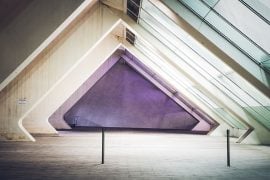
At its most fundamental level, architecture is about organizing space for human life. It defines boundaries, creates shelter, and establishes order. But beyond these practical functions, architecture also constructs experience. The way a building is oriented, the way light enters it, and the way spaces connect all influence how people feel and behave within it.
Contemporary architecture increasingly prioritizes openness and flow. Walls are no longer simply barriers; they are selective filters that manage privacy, light, and movement. Open-plan layouts encourage interaction, while carefully placed thresholds create moments of transition and pause. These spatial sequences are what give architecture its rhythm.
Material selection also plays a defining role. Concrete introduces weight and permanence, glass dissolves separation, and timber introduces warmth and tactility. When combined thoughtfully, these materials create contrast that gives buildings emotional depth rather than uniformity.
Sustainability has become inseparable from architectural thinking. Buildings are now designed not only to perform visually and functionally but also environmentally. Orientation, ventilation, insulation, and energy systems are integrated into the design process from the beginning, making architecture a form of long-term ecological responsibility.
Interior Design as the Construction of Atmosphere
If architecture defines the skeleton of space, interior design defines its atmosphere. It is the discipline that transforms structural form into lived experience. While architecture sets the boundaries, interior design determines how those boundaries are perceived and inhabited.
One of the most important aspects of interior design is spatial perception. A room is not just measured in square meters but in how it feels—whether it is calming or energizing, enclosed or expansive. This perception is shaped through proportion, lighting, materiality, and composition.
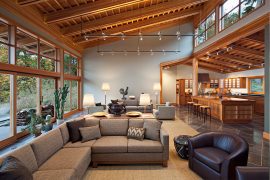
Materials are central to this transformation. Stone, wood, metal, glass, and textiles each carry different sensory and emotional qualities. Stone can ground a space, while textiles soften it. Wood introduces warmth and familiarity, while metal can add precision and clarity. The strength of interior design lies in how these materials are balanced rather than simply used.
Lighting is equally critical. Natural light connects interiors to time and weather, while artificial lighting shapes mood and function. Layered lighting systems allow spaces to shift character throughout the day—bright and focused in the morning, softer and more atmospheric in the evening. This adaptability is key to modern living.
Furniture and layout further define interior experience. Objects are not placed randomly but arranged to guide movement, establish hierarchy, and create focal points. Even negative space—the empty areas between objects—becomes an active part of the composition.
Bathroom Design as an Intimate Landscape
Among all interior spaces, the bathroom holds a unique position because it combines functionality with privacy and ritual. It is a space of transition—between sleep and activity, between cleanliness and rest. As a result, bathroom design has evolved significantly beyond its utilitarian origins.
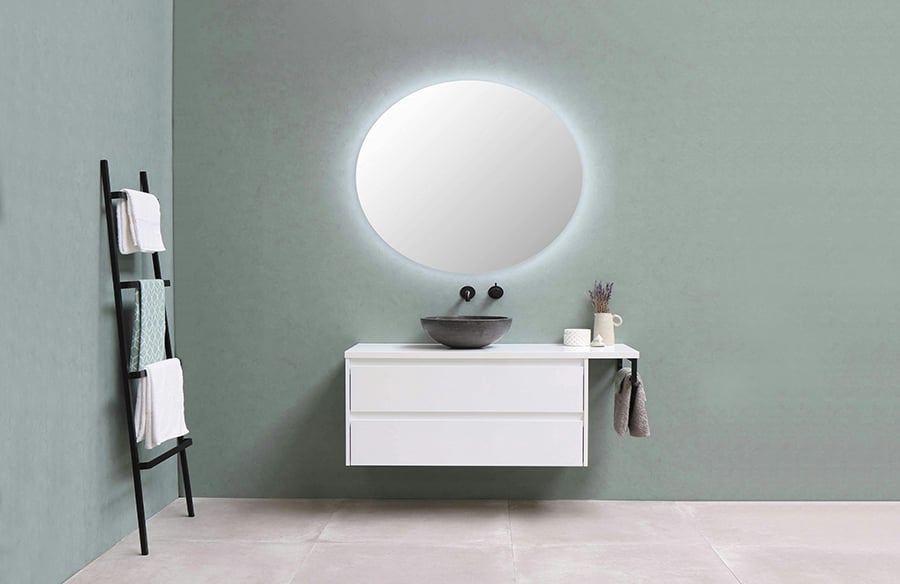
Modern bathrooms are designed as controlled environments where comfort, hygiene, and atmosphere intersect. Layout is essential, often separating wet and dry zones to improve usability and clarity. Walk-in showers, freestanding bathtubs, and floating vanities are commonly used to enhance spatial openness while maintaining functionality.
Material choice is especially important due to constant exposure to moisture and temperature changes. Surfaces must be durable, but also visually calming. Stone, ceramic, and treated wood are often used to balance resilience with aesthetic warmth. Texture plays a key role, preventing the space from feeling overly clinical or sterile.
In contemporary bathroom design, details carry significant weight. Fixtures, fittings, and surfaces are carefully selected to create cohesion. In more refined interiors, elements such as luxury countertop basins are often used as focal points, combining sculptural form with practical use and elevating the bathroom from a purely functional space to a curated interior environment.
Lighting in bathrooms is carefully calibrated. It must support tasks such as grooming while also contributing to relaxation. Soft, indirect lighting is often used to reduce harsh shadows and create a sense of calm. Mirrors and reflective surfaces are integrated not only for utility but also to amplify light and spatial perception.
Increasingly, bathrooms are also being designed as wellness spaces. Features such as underfloor heating, steam systems, and water-efficient fixtures reflect a shift toward comfort and sustainability. The bathroom is no longer seen as an isolated service room but as an essential part of daily wellbeing.
The Continuity of Design Thinking
What connects architecture, interior design, and bathroom design is not separation but continuity. Each discipline operates at a different scale, yet all are concerned with the same fundamental goal: shaping how space is experienced.
Architecture provides structure and logic. Interior design transforms that structure into atmosphere. Bathroom design concentrates both into one of the most personal and sensory environments in the home.
When these layers are successfully integrated, space feels coherent rather than fragmented. Movement becomes intuitive, materials feel appropriate to their use, and atmosphere emerges naturally rather than artificially constructed. This seamless integration is what defines high-quality design.
Ultimately, the art of shaping atmosphere is not about visual complexity or decorative excess. It is about precision—understanding how light, material, proportion, and detail work together to influence everyday life. When done well, design becomes almost invisible, leaving behind only experience.