Key Takeaways
- Smart thermostats adapt to user habits, optimizing heating and cooling for energy efficiency and consistent comfort.
- State-of-the-art HVAC systems, including efficient heat pumps, ensure reliable climate control and lower energy usage.
- Integrated smart lighting and security systems promote safety, convenience, and adaptability for every lifestyle.
- Smart home technology aids in reducing environmental impact by managing energy use and cutting down on wasteful practices.
Table of Contents
- Smart Thermostats: Enhancing Energy Efficiency
- Advanced HVAC Systems for Consistent Climate Control
- Integrating Smart Lighting and Security Systems
- Contributing to Environmental Sustainability
Homeowners today are constantly seeking new ways to improve their living environments with comfort, efficiency, and convenience in mind. Smart solutions offer innovative pathways for managing various home systems, making daily routines easier while also addressing energy conservation. By connecting advanced devices, such as smart thermostats and lighting, modern households can leverage this interconnected technology to create personalized and sustainable environments. One key step to achieving such streamlined comfort is working with a trusted HVAC company that understands how to implement the latest smart solutions for optimal climate control and home integration.
With technology evolving rapidly, intelligent systems are swiftly becoming integral to how we approach home improvement. Whether it’s regulating temperatures more accurately, automating lights and security, or reducing waste, smart home innovations can make a tangible difference. The shift to smart living not only brings about distinctive comfort, but it also assists homeowners in making responsible choices for both their wallets and the environment. Embracing these advancements leads to greater peace of mind by simplifying chores and offering control even when away from home.
Smart Thermostats: Enhancing Energy Efficiency
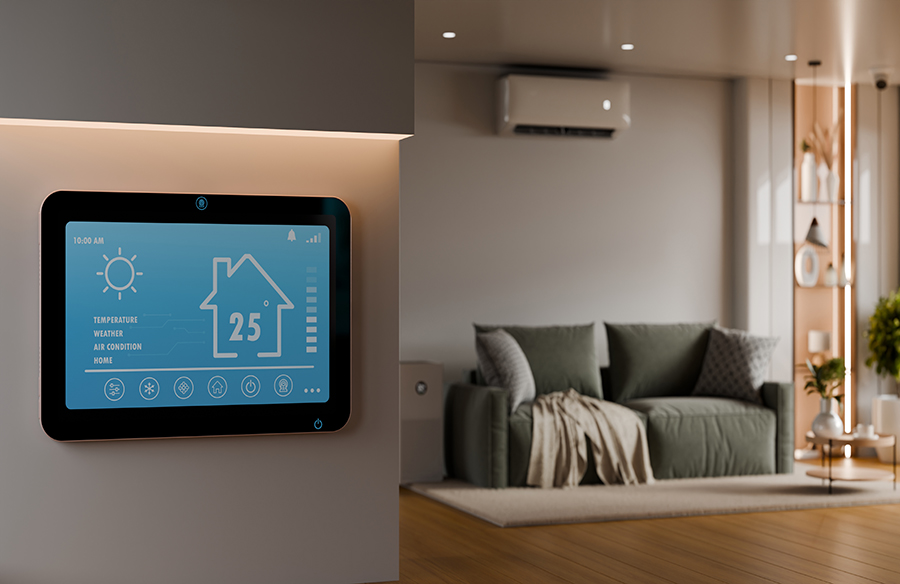
Smart thermostats are fundamentally changing how people interact with their home’s environment. These devices go beyond traditional programmable features by leveraging artificial intelligence to learn household patterns and adapt to personal schedules. Over time, smart thermostats can automatically modify settings to ensure the ideal temperature when people are home, and reduce energy use when the house is empty. This hands-off optimization can amount to substantial savings on utility bills while maintaining an inviting atmosphere.
Manufacturers like Ecobee and Nest have highlighted that smart thermostats can reduce heating and cooling costs by up to 23 percent, according to research. The convenience of remote access via mobile apps adds an additional layer of flexibility, giving users the power to adjust settings from virtually anywhere, ensuring comfort is always just a tap away.
Advanced HVAC Systems for Consistent Climate Control
Modern HVAC systems play a pivotal role in any smart home. High-efficiency heat pumps and variable-speed air handlers are now designed to automatically adjust output based on real-time demand, which keeps temperatures stable throughout fluctuating weather conditions. Such adaptability not only enhances comfort but also means the system consumes only what’s necessary, avoiding wasteful oversized blasts of heating or cooling.
Advanced HVAC setups can be seamlessly integrated with smart thermostats to create a unified and responsive environment. Many leading systems provide diagnostic alerts and performance reports, helping homeowners predict and prevent maintenance issues. This level of innovation is driving substantial energy savings and reliability, as outlined in an in-depth report from Forbes on the future of home HVAC technology.
 Integrating Smart Lighting and Security Systems
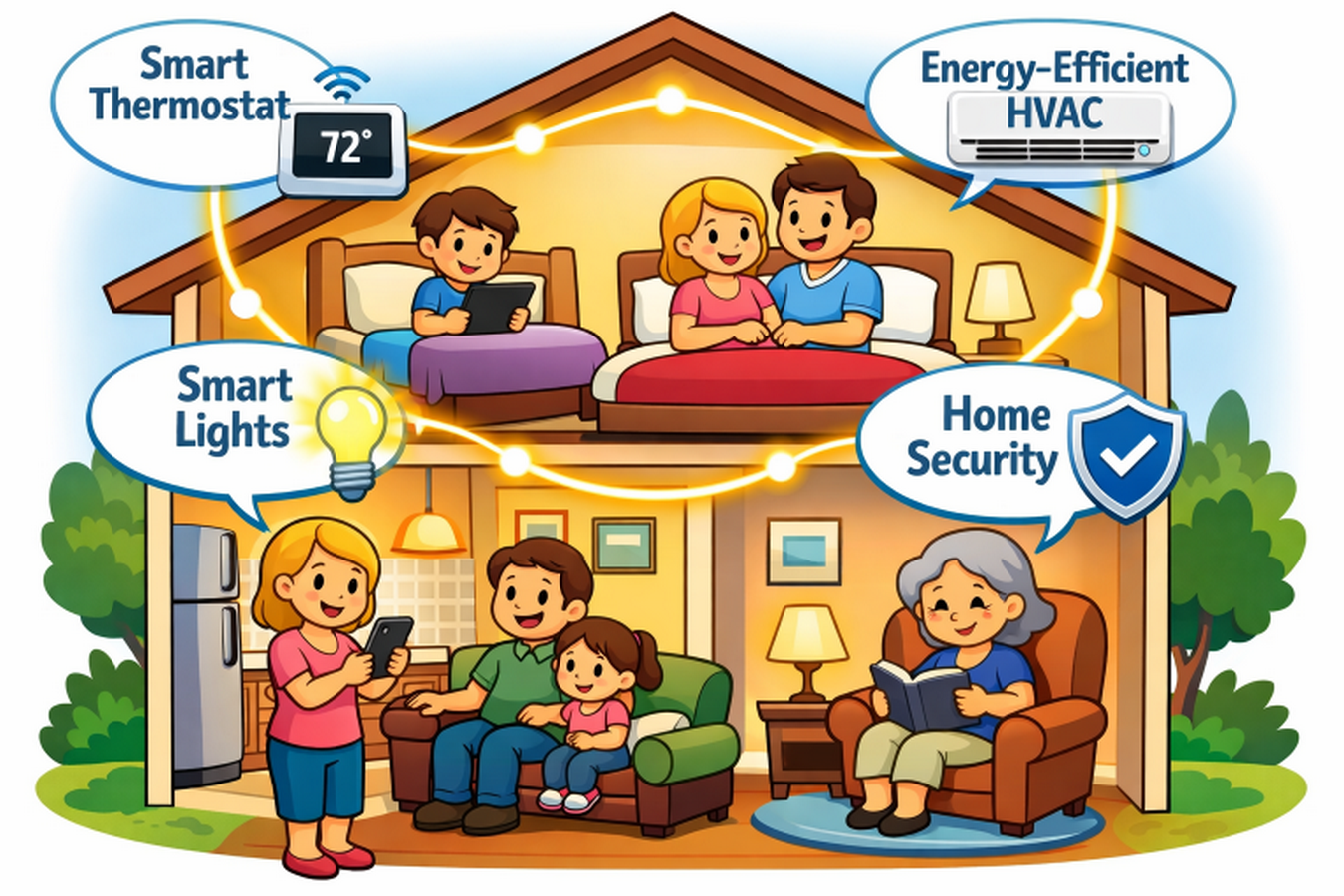
Smart lighting is another critical aspect of a comfortable home, with settings that can be tailored to daily routines or special occasions. These systems can be managed through voice assistants, wall-mounted hubs, or smartphones, making lighting control both intuitive and highly customizable. Homeowners can schedule lights to turn on at sunset or off when leaving the house, contributing to both energy efficiency and safety.
Alongside lighting, smart home security systems provide vigilant oversight by alerting users to unusual activity and supporting remote monitoring. Integrated cameras, motion sensors, and door locks work in concert, making it easier to secure the home at all times. Combining these elements into a seamless platform not only simplifies management but also enhances protection and comfort. The trend toward convergence of smart lighting and security, supported by automatic routines and robust home networks, is a core factor in the modern smart home.
Contributing to Environmental Sustainability
Energy-aware technologies help ensure that homes consume less, waste less, and ultimately have a smaller impact on the environment. In particular, smart thermostats and responsive HVAC systems enable significant reductions in energy wasted through overuse or inefficiency. Smart lighting, by automating when and how lights are used, further decreases a household’s electricity demand.
Widespread adoption of these strategies is an important step toward greener living. According to the U.S. Environmental Protection Agency, improvements that cut household energy use contribute directly to the reduction of greenhouse gases and overall carbon footprint. As market awareness grows, so too does the potential for smart homes to carve out a larger role in environmental responsibility.
In summary, integrating smart technologies such as adaptive thermostats, advanced HVAC systems, and intelligent lighting or security setups allows homeowners to embrace a lifestyle that is not only more efficient and comfortable but also safer and more sustainable. These advancements are quickly becoming the new standard for residential living, paving the way for homes that harmonize technology and responsible living.