Key Takeaways
- The San Antonio Botanical Garden combines nature, art, education, and seasonal events in one destination.
- Visitors can explore signature gardens, conservatories, family activities, and wellness programs.
- The Garden offers a peaceful alternative to San Antonio’s historic and entertainment attractions.
- Planning ahead helps visitors make the most of exhibitions, guided tours, and special events.
San Antonio offers a diverse mix of history, culture, outdoor recreation, and family-friendly destinations, making it a favorite travel destination in Texas. Visitors planning a trip often look for the top attractions in San Antonio to build an itinerary that combines famous landmarks with unique local experiences. From historic sites to peaceful green spaces, the city has something for every interest.
Among these standout destinations, the San Antonio Botanical Garden provides a relaxing retreat with vibrant gardens, themed landscapes, seasonal exhibits, and educational experiences. Whether you’re exploring on your own, with family, or with friends, the garden offers a refreshing way to experience the city’s natural beauty while adding variety to any San Antonio visit.
Why is the San Antonio Botanical Garden a Strong Choice for Visitors?
For travelers comparing major San Antonio destinations, the Garden offers flexibility. A couple can plan a scenic date, parents can look for kid-friendly activities, gardeners can find practical inspiration, and solo visitors can enjoy a slower walk away from busy streets and crowded indoor attractions.
It also delivers more variety than a standard public park. The grounds include designed gardens, native-plant landscapes, historical and cultural spaces, trails, classes, tours, and special programming.
What Can Visitors Experience at the Garden?
A visit can be tailored around the type of experience you want most:
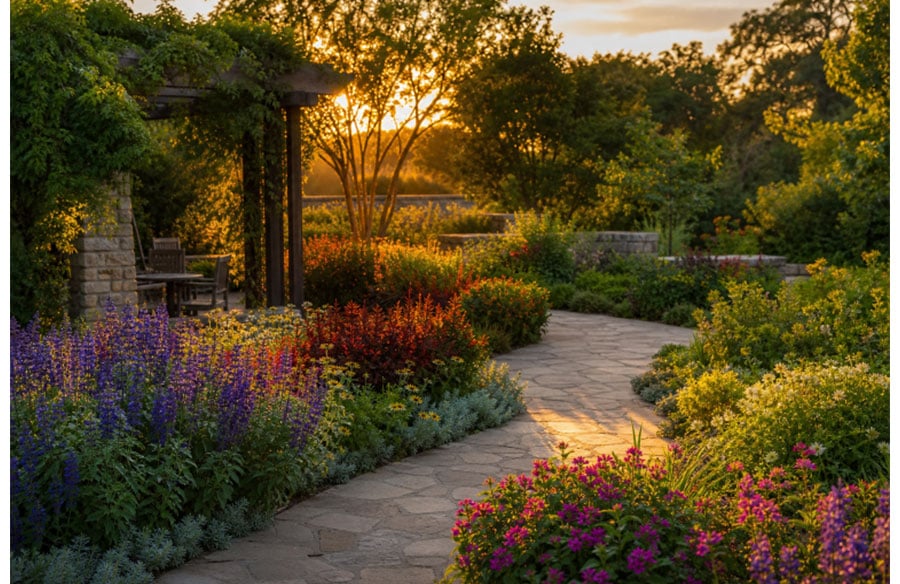
- Nature and photography: Explore seasonal flowers, landscaped paths, specialty collections, native Texas plants, water features, and changing light throughout the day.
- Art and culture: Look for outdoor installations, exhibitions, sketching opportunities, cultural programs, and thoughtfully designed garden spaces.
- Family activities: Choose storytimes, children’s hikes, hands-on nature learning, camps, and family-focused garden exploration when scheduled.
- Wellness: Add a yoga session, meditation, sound bath, mindful walk, or other movement-focused program to a visit.
- Food and gardening: Visit the culinary garden for ideas connected to edible plants, seasonal ingredients, home gardening, and cooking classes.
Which Gardens and Indoor Spaces Should Visitors See First?
Mays Family Display Garden
The Mays Family Display Garden is a sensible first stop for visitors who want an immediate sense of the Garden’s color, structure, and seasonal appeal. It’s designed beds and walkable setting work especially well for first-time guests, casual photographers, and anyone seeking an easy introduction before moving to more specialized areas.
Lucile Halsell Conservatory
The Lucile Halsell Conservatory adds a dramatic indoor dimension to the visit. Its glasshouse architecture and plant diversity make it particularly valuable during intense summer heat, rain, or a short visit when every stop needs to feel distinct. Plan time to slow down and notice the contrasts among desert-, tropical-, aquatic-, fern-, and orchid-focused environments.
Kumamoto En Japanese Garden
Kumamoto En Japanese Garden offers a quieter pace, with stone paths, ponds, and visual elements that connect San Antonio with its sister city of Kumamoto, Japan. It is a natural choice for reflection, photography, or a peaceful final stop after exploring the Garden’s more active areas.
The Zachry Foundation Culinary Garden
The Zachry Foundation Culinary Garden adds a practical layer to the experience. Visitors interested in cooking, edible gardening, sustainability, or family learning can see how plants connect to meals and everyday life. Check the calendar before arrival, since cooking demonstrations, classes, and garden-focused programs vary by date.
What Events and Exhibitions Are Happening in 2026?
As of August 4, 2026, Otherwild is scheduled to remain on view through August 8, 2026. This immersive exhibition features work by Patrick Shearn and Poetic Kinetics, including kinetic installations that use movement, color, sunlight, and open space to create a playful visual experience among the Garden’s landscapes.
The broader calendar also gives repeat visitors reasons to return. Families may find seasonal nature activities or children’s programs. Art-minded guests can look for exhibition-related tours and creative workshops. Wellness visitors may find sound baths, movement classes, or mindfulness experiences, while gardeners and food lovers can watch for tours and culinary offerings. Dates, capacity, weather plans, and admission requirements can change, so confirming the schedule before traveling is essential.
How Can Visitors Build a One-Day Garden Itinerary?
Morning
Start with the Mays Family Display Garden, then continue to the Lucile Halsell Conservatory before the day becomes warmer. If a guided walk is available, it can provide helpful context on plants, design, and current seasonal highlights.
Midday
Explore the culinary garden, native plant areas, and family spaces at a comfortable pace. Use indoor conservatory areas as a break from the heat, and consider scheduling a class, tour, or child-friendly activity around this portion of the visit.
Late Day
Save Kumamoto En Japanese Garden or another quieter landscape for a slower final walk. Evening programs, date-night events, and wellness sessions can extend the visit, but seasonal hours should always be checked in advance.
How Does the Garden Compare With Other San Antonio Attractions?
San Antonio Botanical Garden fills a distinct role in the city’s visitor landscape. Historic sites emphasize heritage and landmark stories. Museums focus on collections and indoor exhibits. Theme attractions prioritize rides and high-energy entertainment. The Garden instead offers living collections, outdoor learning, changing seasonal scenery, and opportunities for quiet observation.
That distinction matters in a city with a strong demand for cultural and outdoor destinations. For context, the National Park Service reported more than 1.55 million recreation visits to San Antonio Missions National Historical Park in 2025. That number does not measure Botanical Garden attendance, but it illustrates the appeal of meaningful outdoor and cultural experiences in San Antonio.
Who Gets the Most Value From a Visit?
- First-time visitors: A refreshing way to add nature, art, and local culture to a San Antonio itinerary.
- Families: Structured programs and hands-on activities can make a garden visit engaging for younger guests.
- Couples: Scenic paths, exhibitions, and evening events create a relaxed date setting.
- Local residents: Changing flowers, exhibitions, classes, and seasonal programs encourage return visits.
- Gardeners and educators: Plant collections and practical programming provide useful inspiration beyond sightseeing.
- Event planners: Both indoor and outdoor settings can accommodate weddings, meetings, celebrations, and private gatherings.
What Should Visitors Know Before Planning?
- Review current hours, admission details, parking guidance, accessibility information, and event requirements before leaving.
- Wear comfortable walking shoes and bring sun protection, water, and weather-appropriate clothing.
- Allow at least two hours for a highlights visit, or plan half a day if attending a class, tour, exhibition, or special event.
- Build extra time into the schedule during popular exhibitions and weekend programming.
- Use 555 Funston Place, San Antonio, Texas, when planning directions.
Conclusion
The San Antonio Botanical Garden offers a memorable blend of nature, education, art, and relaxation for visitors of all ages. Whether you’re exploring its signature gardens, attending seasonal events, or enjoying a peaceful walk, thoughtful planning helps you experience one of San Antonio’s most rewarding outdoor destinations and create lasting memories.