Architecture is often discussed through the lens of form, façade, and spatial innovation. Yet one of the most technically critical components of any structure, the roof remains underappreciated in broader design conversations.
In contemporary architecture, the roof is no longer simply a protective covering. It is a thermal regulator, a sustainability feature, a structural system, and increasingly, an environmental interface. As building standards evolve and cities demand higher-performance structures, the expertise behind roofing systems becomes central to architectural integrity.
At the heart of that expertise is the licensed roofer, a professional trained not only in installation, but in code compliance, material science, and long-term performance.
Roofing as a Performance System, Not a Surface
Modern architectural projects integrate roofing systems that must address:
- Energy efficiency and insulation performance
- Stormwater management and drainage design
- Fire resistance and wind uplift standards
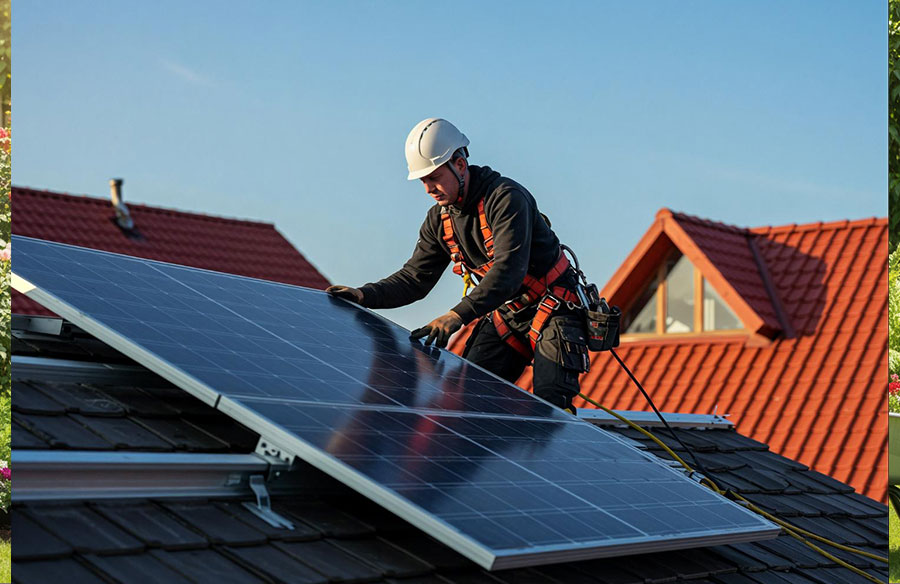
- Solar integration and green roof assemblies
- Longevity under climate stress
These elements directly influence whether a building performs as designed.
A roof failure can compromise structural components, interior finishes, electrical systems, and occupant safety. This is why regulated training and professional licensing matter: roofing today intersects engineering, environmental science, and regulatory compliance.
Building Codes and Climate Resilience
Climate volatility has intensified scrutiny on building envelopes. High winds, heavy rainfall, freeze-thaw cycles, and rising temperatures require roofing systems to meet strict standards.
Licensed professionals operate within state-regulated frameworks that require:
- Proof of insurance and accountability
- Bonding requirements
- Compliance with safety and building codes
- Ongoing knowledge of regulatory updates
These frameworks exist not only to protect consumers but to ensure that architectural intent is preserved under real-world conditions.
Sustainable Architecture Requires Skilled Execution
Green architecture is only as effective as its execution. Whether implementing reflective membranes, vegetative systems, or photovoltaic-ready substrates, roofing work demands precision.
A poorly installed “green” system can result in:
- Moisture intrusion
- Reduced energy performance
- Structural loading issues
- Premature material degradation
Sustainable architecture depends on skilled tradespeople who understand both traditional craftsmanship and evolving building science.
Education as Infrastructure
As architectural ambition increases, so must trade education. Training institutions that focus on roofing science, code interpretation, and installation standards play a quiet but essential role in shaping the built environment.
When contractors pursue structured education and licensure, they contribute to:
- Safer urban development
- Reduced lifecycle maintenance costs
- Improved energy efficiency
- Stronger collaboration between architects and contractors
Professional education in roofing is not simply vocational; it is infrastructural. It supports the durability and sustainability goals embedded in contemporary design
Collaboration Between Architects and Roofing Professionals
Architects increasingly design complex roof geometries, hybrid materials, and multi-functional roof spaces. These require early collaboration with experienced roofing contractors who understand practical execution.
When architects work with properly trained and credentialed professionals:
- Design feasibility improves
- Risk exposure decreases
- Installation timelines become more predictable
- Warranty protection remains intact
In this sense, licensing and professional training do not limit creativity; they enable it.
Reframing the Roof in Architectural Discourse
As cities expand and environmental standards tighten, the roof must be seen not as a finishing detail but as a core structural and environmental system.
Recognizing the value of the licensed roofer reframes roofing as a discipline integral to architecture’s future, one that safeguards safety, performance, and sustainability.
In rethinking the future of architecture, attention must extend beyond visual innovation to the professionals who ensure that buildings endure. The roof and those qualified to construct it play a defining role in whether design aspirations translate into lasting structures.