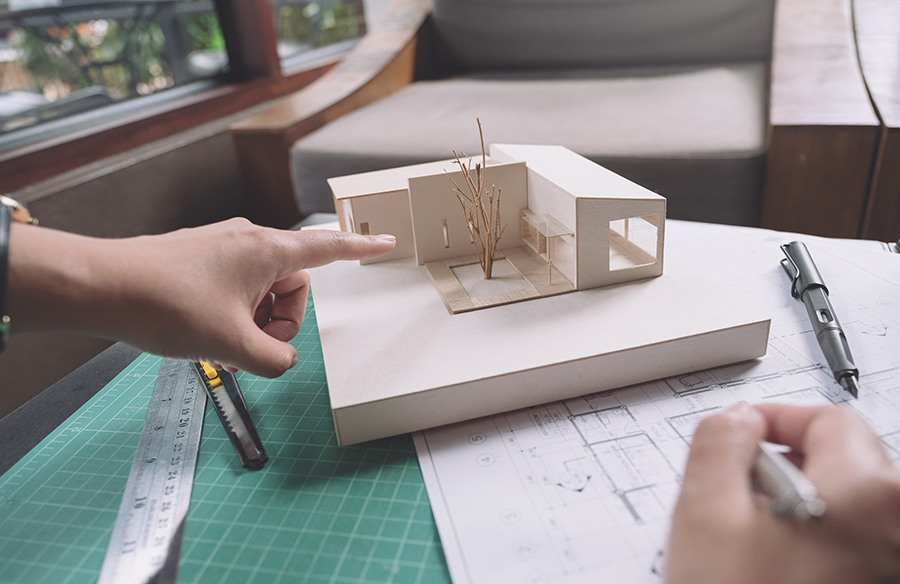
Your packaging is not just a box; it’s a small building for your products. The packaging’s sturdy design should protect the products inside while giving them visual appeal. Structural packaging engineering creates a canvas on which you can paint beautiful visuals and graphics. It is the literal building for your custom packaging.
This blog post will cover packaging as micro-architecture and how it helps design small structures to deliver a big impact.
What is Micro-Architecture in Designing?
Micro-architectures in packaging design are structural elements that ensure a durable, eye-catching look for your packaging. The structural elements are as follows: protection, functionality, and manufacturability. These elements often bridge the gap between flat design blueprints (dielines) and the final 3D product.
Similar to how micro-architecture organizes elements in computer design, packaging can involve modularly designing components for efficiency. It involves configuring the design to align with manufacturing machinery, ensuring proper folding, gluing, and sealing.
For example, designing a rigid box as a compact structural unit for a product that needs protection and aesthetic appeal at the same time.
How Architecture Principles Apply to Packaging?
The architectural principle applies to packaging solutions as much as it does to any building. The packaging architecture applies structural and design principles to manufacture functional, sustainable, and branded boxes.
The key architectural principles that apply to packaging are as follows:
Structural Integrity:
The primary purpose of any packaging is to provide protection to the contents stored inside. If the packaging is not structurally intact, it cannot protect the products stored inside. This is why you have to make sure that the packaging is able to serve the need first, such as rigid boxes, as their structures are perfect for protecting and storing rigid structures for fragile items.
Material Selection & Sustainability:
Another key architecture principle that applies to the packaging is selecting the right material. You have to choose the right materials based on durability and environmental impact. You have to use a material option that is recyclable and biodegradable for sustainable architecture practices.
For example, you can choose rigid stock. In product design, structural packaging systems built with rigid board follow similar load-bearing principles to ensure protection, stability, and sustainability.
Box Styles
Another key factor that applies in manufacturing packaging is that withhold challenges and provides protection depend on the box style you choose. Here are the popular box styles that offer maximum protection to your products while providing aesthetic appeal to them, such as:
- Magnetic Closure Boxes
- Two Piece Boxes
- Drawer Boxes
- Collapsible Boxes
Scalable Design:
Like building components, packaging should use consistent, reusable design systems that allow for easy adaptation to different product variants or flavors.
By applying these architecture printing, companies can develop a cohesive, efficient, and impactful brand presence to ensure the package perfectly houses the product.
Packaging Design For Protection
Just as buildings protect against environmental challenges, packaging design helps protect products from hazards, shipping challenges, and more. Using the right packaging is essential, and considering add-ons like box inserts helps ensure product safety. Using box inserts will add structural integrity to provide protection or a perfect fit and enhance your product presentation for an unboxing experience.
This is where protective rigid packaging solutions mirror architectural safety systems by minimizing external impact and internal movement. Not only this, but using these packaging solutions also allows your product packaging to be shock-resistant and provides compression strength.
User Experience: From Space to Unboxing
In architecture, user experience begins the moment someone enters a space. Movement is intentional. Every hallway, opening, and transition is designed to guide behavior and emotion. The same logic applies to packaging. The unboxing journey is not random. It is carefully structured to control anticipation, build curiosity, and deliver a satisfying reveal.
From the first touch, texture plays its role. The weight, the surface, and the resistance of opening all contribute to perception. A well-designed box slows the moment down, making it feel premium and memorable. This is exactly how premium rigid packaging enhances user experience through controlled opening and tactile feedback.
- Anticipation builds before opening
- Reveal creates emotional impact
- Tactile feel reinforces quality
Sustainability in Micro-Structures
Sustainability is no longer optional in design. In architecture, green buildings focus on reducing waste, using renewable resources, and maximizing efficiency. Packaging follows the same direction, just on a smaller scale. Every material choice and structural decision impacts the environmental footprint.
Modern packaging solutions now prioritize recyclable materials, reduce excess, and use smarter layouts that minimize waste during production. The goal is not just protection but responsibility. Efficient design ensures less material is used without compromising strength or appearance.
This is where sustainable rigid packaging systems align closely with green architecture principles. Both aim to create structures that serve their purpose while respecting environmental limits.
- Recyclable and reusable materials
- Minimal waste production
- Efficient structural design
The Future: Where Architecture and Packaging Merge
The future of design is becoming more interconnected. Architecture and packaging are no longer separate disciplines. Both are evolving through smart materials, modular systems, and AI-driven processes. These innovations allow designers to predict user behavior, optimize structures, and reduce inefficiencies before production even begins.
Packaging is now emerging as a new frontier of design thinking. It is no longer just a container but a responsive, functional structure that interacts with users. Smart materials can adapt, modular designs can improve usability, and AI can refine every detail for performance and sustainability.
As boundaries blur, packaging will continue to borrow from architectural principles, shaping experiences in more intelligent and meaningful ways.
Conclusion
Packaging is no longer limited to protection or presentation. It operates as micro-architecture, shaped by the same design principles that define physical spaces. Structure, flow, material, and user interaction all come together to create a purposeful experience. The difference lies only in scale, not in intent.
When approached with this mindset, packaging becomes more than a container. It becomes a designed environment that communicates value, guides interaction, and leaves a lasting impression. Every fold, opening, and texture plays a role in shaping perception.
The future of design demands this shift in thinking. True innovation occurs when architectural logic is applied beyond buildings, transforming packaging into a meaningful, experience-driven design system.