A well-planned home should look appealing, suit everyday family life and remain practical to build. For growing households, upsizers and multigenerational families, good design is not only about room sizes or finishes. It is also about creating a layout that works with the land, manages costs sensibly and avoids unnecessary construction complications.
Starting With A Clear Floor Plan
A practical build begins with a floor plan that has a clear purpose. Before thinking about façade details or interior styling, you need to understand how your household will move through the home each day. Bedrooms, living spaces, bathrooms, storage and outdoor areas should be positioned with convenience in mind, not added as afterthoughts.
This is where working with experienced designers and builders can help. Teams such as Neptune Homes home design and construction specialists understand how layout decisions affect both liveability and construction efficiency, from single-storey family homes to larger double-storey or acreage designs.
Keeping Wet Areas Close Together
Bathrooms, laundries, kitchens and powder rooms are among the most service-heavy areas in a home. Grouping these spaces where possible can help simplify plumbing, drainage and service runs. This does not mean every wet area needs to sit in one corner, but it does mean their placement should be considered early.
For example, a laundry near the kitchen or garage can support daily routines while keeping services more efficient. In a double-storey home, placing an upstairs bathroom above or near a downstairs wet area can also reduce unnecessary complexity. These decisions may not be obvious on a finished plan, but they can make a real difference during construction.
Designing Rooms With Flexible Uses
Families change over time, so practical home design should allow rooms to adapt. A nursery may later become a study, a children’s retreat may become a teenage media room, and a guest room may support older relatives or visiting family members. Flexible spaces help you get more long-term value from the same floor area.
This is especially useful for upsizers and multigenerational households. Instead of creating highly specific rooms that may only suit one stage of life, consider layouts with good proportions, natural light and access to nearby bathrooms. A ground-floor bedroom, for instance, can work as a guest suite, home office or future accommodation for ageing family members.
Planning Storage Into The Structure
Storage is often underestimated, yet it has a major impact on how practical a home feels once occupied. Built-in robes, linen cupboards, walk-in pantries, garage storage and mudroom-style drop zones can reduce clutter and make daily life easier. The key is to include storage in the structural planning rather than trying to fit it in later.
For families with children, storage should be placed where mess naturally occurs. School bags, sports gear, prams, shoes and cleaning supplies all need logical homes. A larger house without enough storage can still feel cramped, while a modest home with well-planned storage can feel calm and efficient.
Matching The Design To The Block
Every block has its own conditions, including slope, orientation, frontage, access and surrounding properties. A practical home design works with these conditions rather than fighting them. This can influence where the garage sits, how natural light enters the home and whether a single-storey, double-storey or acreage-style layout is most suitable.
Orientation is particularly important. Positioning living areas to capture natural light can support passive design principles and reduce reliance on artificial lighting during the day. On sloping blocks, careful design may help limit excessive excavation, retaining walls, or complex site works. A design that suits the land is usually easier to build and more comfortable to live in.
Choosing Simple Forms And Strong Flow
Architectural features can add character, but overly complex shapes, rooflines and room transitions can increase building difficulty. A practical home does not need to be plain. It simply needs a clear structure, sensible proportions and a logical flow from one space to the next.
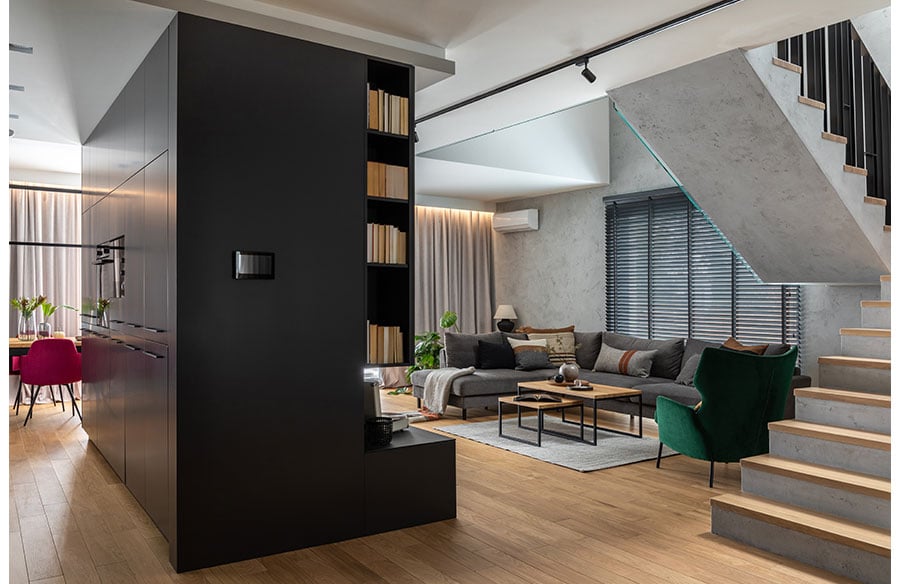
Open-plan living can work well when supported by quiet zones, good storage and clear circulation paths. Wide hallways, direct garage access, visible connections to outdoor areas and well-placed bedrooms can all improve how the home functions. When the design feels easy to move through, it usually becomes easier to build, furnish and maintain.
Building Practicality Into Everyday Living
The best home design ideas balance comfort, flexibility and build practicality. By planning wet areas carefully, designing adaptable rooms, matching the layout to the block and avoiding unnecessary complexity, you create a home that supports family life now and into the future. Practical design is not about limiting creativity. It is about making thoughtful choices that help the finished home work better from the ground up.