Building your dream home involves more than just choosing a style or picking colors. It is about creating a space that reflects your lifestyle, supports your needs, and stands the test of time. This process starts from the foundation and extends all the way up to the roof. The architecture behind your home is the blueprint for creating a safe, comfortable, and aesthetic environment.
Understanding the different architectural elements of your home can empower you to make better choices during construction or renovation. In this article, we will explore how architectural decisions impact everything from the foundation to the roof of your house and why it’s important for homeowners to educate themselves on these choices.
The Foundation: The Base of Every Home
The foundation is where everything starts. It is what supports the entire structure, ensuring the home stands firm for years to come. There are different types of foundations, including slab, crawl space, and basement foundations. Each has its benefits and considerations, especially in relation to climate, soil conditions, and the desired layout.
For example, a slab foundation works well in areas with mild climates and stable soil, while a basement foundation offers extra living or storage space, which may be ideal for homeowners in colder climates. The type of foundation you choose affects everything from your home’s stability to its energy efficiency.
The Walls: Structural Integrity and Design
Once the foundation is in place, the walls follow. These play a crucial role in both the aesthetic and structural integrity of the home. The materials used for the walls—wood, brick, stone, or concrete—determine how energy-efficient and durable the home will be.
Energy-efficient materials, like insulated concrete forms (ICFs), can help reduce heating and cooling costs. On the other hand, brick or stone can provide a traditional and timeless look, while wooden frames are commonly used in modern homes. The choice of wall material impacts the cost of construction, long-term maintenance, and insulation.
Roofing: The Final Layer of Protection
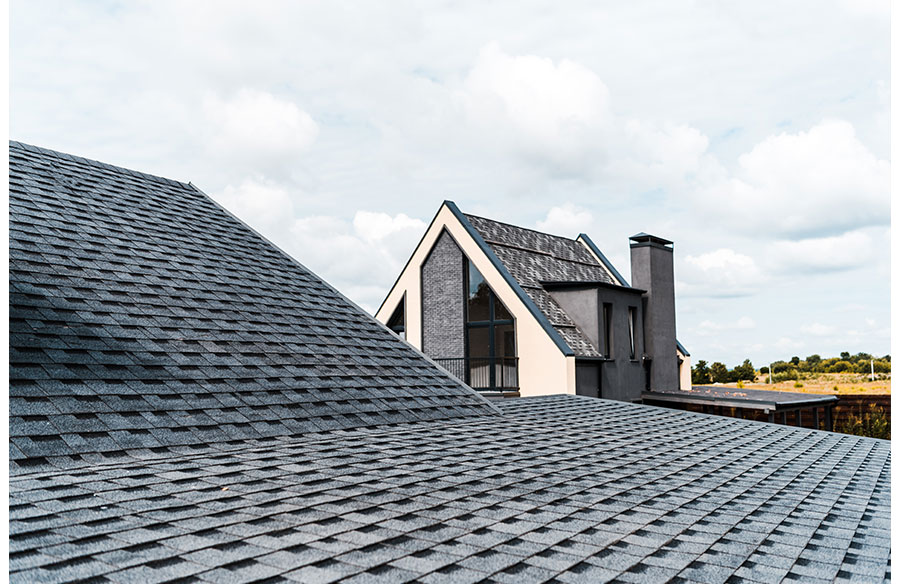
The roof is one of the most important aspects of home architecture. It protects everything beneath it from the elements, including rain, snow, and extreme temperatures. Choosing the right roofing system involves understanding the various types of materials, such as asphalt shingles, metal roofing, or tile, and how each works best in specific climates.
In addition to style and material, it is essential to understand roofing systems’ functional elements. Homeowners should consider factors like roof pitch, drainage, and ventilation when selecting their roof design. For those looking to learn more about the importance of roofing and what makes a roof last longer, resources such as Roofing Education offer detailed insights on these topics.
Windows and Doors: Enhancing Light and Security
Windows and doors are integral to both the functionality and the aesthetic appeal of your home. They allow light to enter and help with ventilation. The right placement of windows can create the perfect lighting effects and contribute to energy savings. For example, large south-facing windows can capture natural sunlight, reducing the need for artificial lighting and lowering energy bills.
The type of doors, both interior and exterior, should match the overall design theme. Whether you go for sleek modern glass doors or a more traditional wood finish, they contribute significantly to your home’s curb appeal.
Sustainable Design: Building for the Future
Homeowners today are increasingly concerned about sustainability and energy efficiency. The demand for eco-friendly homes is growing, as people look for ways to reduce their carbon footprints. Sustainable architecture incorporates renewable materials, energy-efficient windows, and smart technologies that monitor energy usage.
Solar panels, green roofs, and rainwater harvesting systems are becoming more common in modern home design. These sustainable elements help lower utility bills and make homes more resilient to environmental changes.
Why Homeowners Should Invest in Education
As a homeowner, it’s important to educate yourself about the architectural elements that make up your home. When you understand the foundations, structural design, roofing, and energy-efficient features, you are better equipped to make decisions that align with your needs and budget.
Roofing is one such area where education can have a significant impact. A solid roof ensures the protection of your home from harsh weather conditions. Understanding the roofing process and materials can help you make an informed decision about what works best for your home.
Whether you are planning a new build or renovating an existing structure, educating yourself on the basics of home architecture will help you communicate effectively with contractors and architects, ensuring that your vision becomes a reality.
Conclusion
The architecture behind your dream home is not just about aesthetics; it’s about creating a safe, comfortable, and functional space. From the foundation to the roof, each architectural element plays a vital role in the home’s longevity, energy efficiency, and overall livability.
By understanding the basics of home architecture, you can make smarter decisions about design, materials, and sustainability. This knowledge allows you to not only build the home of your dreams but also to maintain and protect it for years to come.
Homeownership is a long-term investment, and the more you know, the better equipped you’ll be to make the right choices for your family and your home. Educating yourself about roofing and other architectural elements is the first step in ensuring that your dream home becomes a lasting reality.