Modern interiors often seek to balance aesthetics, comfort, and functionality. Acoustic wood panels provide a solution that not only enhances the appearance of a space but also supports a comfortable acoustic environment. Options such as wood slat wall systems bring visual warmth while addressing sound quality in both residential and commercial settings. By adding an organic element, these panels can soften strong architectural lines and create a sense of harmony in the overall environment. Understanding how acoustic wood panels align with current design trends, as well as key factors to consider before choosing a product, can assist with planning an effective interior update. This makes them a relevant choice for projects where both practical and decorative requirements are valued.
The appeal of acoustic wood panels in modern interiors
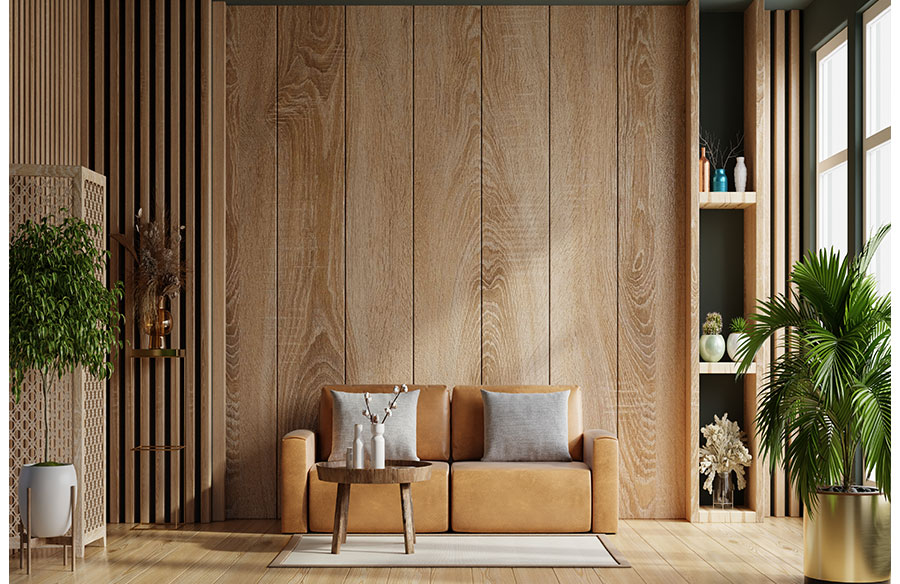
Acoustic wood panels have become increasingly common in contemporary spaces due to their blend of visual interest and practical function. They can help reduce unwanted noise, which makes rooms better suited for conversation or focused activity. Their clean lines and natural materials allow for integration with a variety of interior styles. Whether the goal is subtlety or a bold visual statement, these panels offer a flexible solution that does not compromise on style. Installing a wood slat wall introduces texture and depth to a room. This element not only contributes to sound absorption but also creates a clear visual feature. The unique grain and color variation of natural wood makes each installation distinctive, enhancing the overall look. Whether applied in living areas or workspaces, acoustic panels can influence both the appearance and the atmosphere of an environment. Their ability to complement everything from minimalist to rustic decor supports their continued popularity.
Important considerations when choosing wood slat wall systems
Selecting an appropriate wood slat wall system starts with assessing the size and purpose of the space. Different rooms may call for varying degrees of sound management or distinct aesthetic qualities. Reviewing panel dimensions and available finishes helps identify options that fit with specific design objectives. Considering color and finish options, from light oak to dark walnut, can help panels work harmoniously with floors, furniture, or other architectural details already present in the room. Installation is another important aspect to take into account. Many systems are designed for straightforward installation without the need for specialized tools, making them accessible for individuals with different levels of experience. Some systems come with mounting hardware or user-friendly guides, allowing for efficient placement even in larger spaces. The construction, including the mix of wood and other materials, may affect durability and long-term use, which are relevant factors when making a decision. Checking material specifications and maintenance requirements can further inform the selection process for lasting satisfaction with the final result.
How acoustic wood panels are used in different spaces
Acoustic wood panels offer flexibility for a range of environments, from homes to commercial properties. In living rooms or bedrooms, they can soften echoes and create a welcoming visual effect. Used as bedroom headboards or accent walls, these panels can add both warmth and quiet, nurturing relaxation and peace. In offices or restaurants, these panels help manage background noise, which can support clearer communication. This makes them suitable for shared workspaces, conference rooms, or bustling dining areas where a soothing ambiance is important. Designers often incorporate these solutions to achieve both aesthetic and functional objectives. Strategically placed panels can highlight architectural features or define zones within open-plan interiors. Whether covering entire walls or serving as accent features, acoustic panels can be adapted to suit evolving needs and style preferences. Custom layouts and color choices allow panels to keep pace as tastes and space functions change. As interior trends continue to change, options like wood slat walls remain a consistent choice for combining visual appeal with enhanced acoustics in various spaces. Their versatility and enduring design characteristics help make them a valued element in thoughtfully planned interiors.