When architects sit down to plan a building, the roof is rarely an afterthought. It is one of the most critical components of any structure, responsible for protecting everything beneath it from rain, wind, heat, and the slow wear of time. Homeowners and developers often turn to a trusted roofing contractor in Maryland Heights to get professional guidance on which roofing systems are built to last. The right choice depends on a combination of climate, building design, budget, and long-term maintenance expectations. Understanding what architects actually look for when evaluating a roofing system can help property owners make smarter, more informed decisions before the first nail is ever driven.
Why Durability Should Be the Starting Point
A roof that looks great on the day it is installed but begins deteriorating within a few years is not a good investment. Architects approach roofing with durability as the primary lens because the cost of replacement or major repairs far exceeds the cost of choosing quality materials from the start.
Durability is not just about how long a material lasts under ideal conditions. It is about how the roofing system performs under stress, whether that means heavy snowfall, scorching summer heat, or the kind of relentless moisture that slowly breaks down seals and underlayment. Architects factor in all of these variables before making a recommendation, and they often collaborate with a roofing contractor in Maryland Heights to understand how local weather patterns should influence material selection.
The Role of Climate in Roofing Decisions
Climate is one of the first things architects consider when evaluating roofing options. A material that performs exceptionally well in a dry southwestern climate may crack and fail in a region that experiences frequent freeze-thaw cycles. Similarly, roofing systems designed for high humidity need to manage moisture differently than those built for arid environments.
In areas with significant temperature swings, thermal expansion and contraction can be a serious issue. Materials that cannot flex with temperature changes tend to develop cracks over time, allowing water to penetrate and cause damage to the underlying structure. Architects pay close attention to how well a roofing material handles these cycles, and they often look for systems with proven performance records in similar climates.
Common Roofing Systems Architects Evaluate
There is no single roofing system that works best for every project. Architects typically evaluate several options based on the specific demands of the building and site, weighing the pros and cons of each before arriving at a recommendation.
Asphalt Shingles
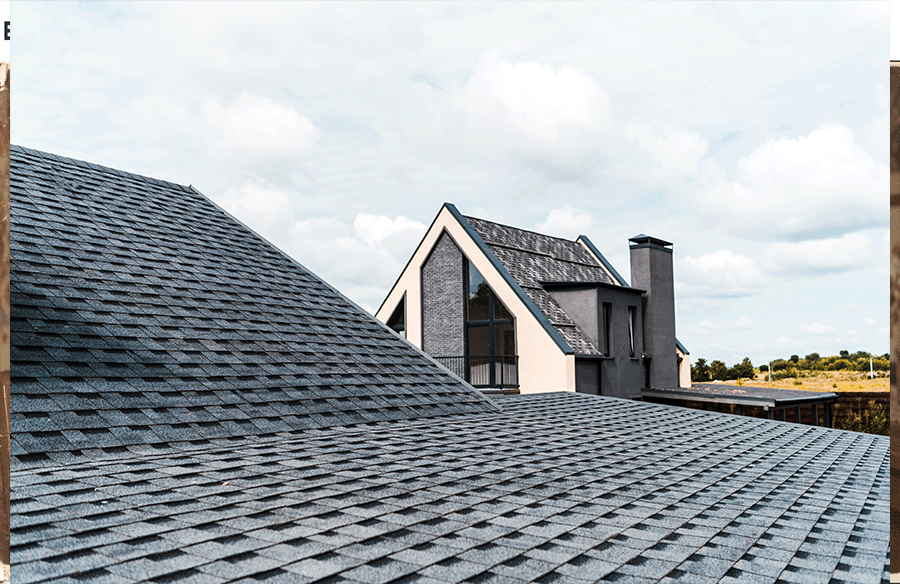
Asphalt shingles remain one of the most widely used roofing materials in residential construction, and for good reason. They are relatively affordable, widely available, and come in a range of styles and colors. Modern architectural shingles are significantly more durable than the three-tab shingles of decades past, with many products rated to withstand winds of 130 miles per hour or more.
That said, asphalt shingles have a shorter lifespan than some other options, typically lasting between 20 and 30 years depending on the quality of the product and the conditions they face. Architects tend to recommend them for projects where budget is a priority and the building owner is comfortable with the idea of eventual replacement.
Metal Roofing
Metal roofing has grown considerably in popularity over the past two decades, and architects frequently recommend it for both residential and commercial projects where longevity is a top priority. Steel, aluminum, and copper are the most common materials, each offering a different balance of cost, weight, and aesthetic appeal.
One of the most compelling arguments for metal roofing is its lifespan. A well-installed metal roof can last 40 to 70 years, sometimes longer with proper maintenance. Metal is also highly resistant to fire, impact, and extreme weather, which makes it an attractive option in regions prone to severe storms. Many property owners who consult a roofing contractor in Maryland Heights are surprised to learn how much energy efficiency metal roofing can provide, since its reflective surface reduces heat absorption and can lower cooling costs during warm months.
Slate and Tile Roofing
For projects where longevity and aesthetics are equally important, architects often point to slate and clay tile as the gold standard. These materials have been used for centuries and have a proven track record that few modern products can match. A properly installed slate roof can last well over a century, making it a true lifetime investment.
The trade-off is weight and cost. Both slate and clay tile are significantly heavier than asphalt or metal, which means the underlying structure must be engineered to support them. They are also more expensive to purchase and install. However, for historic renovations, high-end residential projects, or any building where longevity is the primary concern, these materials are hard to beat.
Flat and Low-Slope Roofing Systems
Commercial buildings and some modern residential designs often feature flat or low-slope roofs, which require an entirely different approach to waterproofing and drainage. Architects working on these projects typically consider membrane roofing systems, which include materials like TPO, EPDM, and modified bitumen.
Each of these materials has its own set of strengths. EPDM, a synthetic rubber membrane, is known for its durability and flexibility in cold climates. TPO is popular for its energy efficiency and resistance to UV radiation. Modified bitumen offers strong performance in high-traffic roofing applications where maintenance workers may frequently access the roof. Choosing the right membrane depends heavily on the specific use case and local climate conditions.
What Architects Look for Beyond the Material
Selecting the right material is only part of the equation. Architects are equally focused on how the entire roofing system is assembled and maintained over time.
Installation Quality
Even the best roofing material will fail prematurely if it is not installed correctly. Architects stress that installation quality is just as important as the material itself. This means using the right underlayment, properly sealing all penetrations such as vents and chimneys, and ensuring that flashing is correctly applied wherever the roof meets a wall or another surface.
Working with an experienced roofing contractor in Maryland Heights who understands how to install the specified system properly is essential. Architects often recommend that property owners verify the contractor’s experience with the specific material being used, since installation techniques vary significantly across different roofing systems.
Ventilation and Moisture Management
A well-designed roof does more than keep water out. It also manages heat and moisture within the roof assembly itself. Poor ventilation can lead to condensation buildup, which causes rot, mold, and premature deterioration of roofing materials. Architects design roofing systems with airflow in mind, ensuring that there is an adequate balance of intake and exhaust ventilation to keep the roof assembly dry and stable throughout the year.
Maintenance Planning
No roofing system is truly maintenance-free. Architects encourage property owners to think about long-term maintenance from the very beginning of the selection process. Some materials, like metal and slate, require very little upkeep once installed. Others, like asphalt shingles, benefit from periodic inspections and minor repairs to extend their useful life.
Building a maintenance plan into the overall roofing strategy helps property owners avoid the kind of deferred maintenance that leads to costly repairs down the road.
Conclusion
Choosing the right roofing system is one of the most consequential decisions a property owner can make. By approaching the process the way architects do, with careful attention to climate, material performance, installation quality, and long-term maintenance, it is possible to design a roof that provides reliable protection for decades. Whether you are building from the ground up or replacing an aging system, taking the time to understand your options and work with qualified professionals is always worth the effort.