Architecture is a profession built on vision, responsibility, and constant problem solving. It requires long hours of concentration, careful coordination, and the emotional weight of decisions that affect people, cities, and environments for decades. Over time, even deeply passionate architects can feel mentally drained, creatively blocked, or physically tense. Wellness hobbies are not a luxury in this field. They are a practical response to sustained pressure.
The most effective hobbies for architects tend to share a few qualities. They slow the pace of thinking, engage the senses, and offer creative satisfaction without critique or consequence. They do not demand perfection or optimization. Instead, they provide space to recover mental clarity and emotional balance. Below are eight wellness hobbies that help architects design calm back into their lives.
1. Slow sketching for observation rather than outcome
Many architects sketch every day, but most of those sketches serve a purpose. They communicate ideas, solve spatial problems, or respond to feedback. Slow sketching is different. It is drawing without intent to present, persuade, or refine.
This kind of sketching focuses on observation rather than performance. Sitting in a park, cafe, or quiet street and drawing what is there allows the mind to rest in seeing instead of deciding. The hand moves at a natural pace, guided by curiosity rather than standards. Mistakes lose importance because there is no final goal.
For stressed architects, slow sketching reconnects them with why they were drawn to design in the first place. It replaces urgency with attention. Over time, this practice can feel almost meditative, offering clarity and calm through simple presence.
2. Adult coloring as a structured form of relaxation
Adult coloring is especially effective for architects because it mirrors familiar visual patterns while removing responsibility. The shapes already exist. The only task is to choose colors and fill space. This limited decision making creates a sense of safety for an overworked mind.
Coloring therapy activates focus without pressure. Repetitive motion settles the nervous system, while color selection engages creativity in a gentle way. For architects accustomed to constant revision and critique, this kind of creativity feels unusually forgiving.
Many find that coloring before bed or during short breaks helps interrupt mental looping. It provides visual satisfaction without stimulation overload. Over time, adult coloring becomes a reliable way to shift from analytical thinking into a calmer mental state.
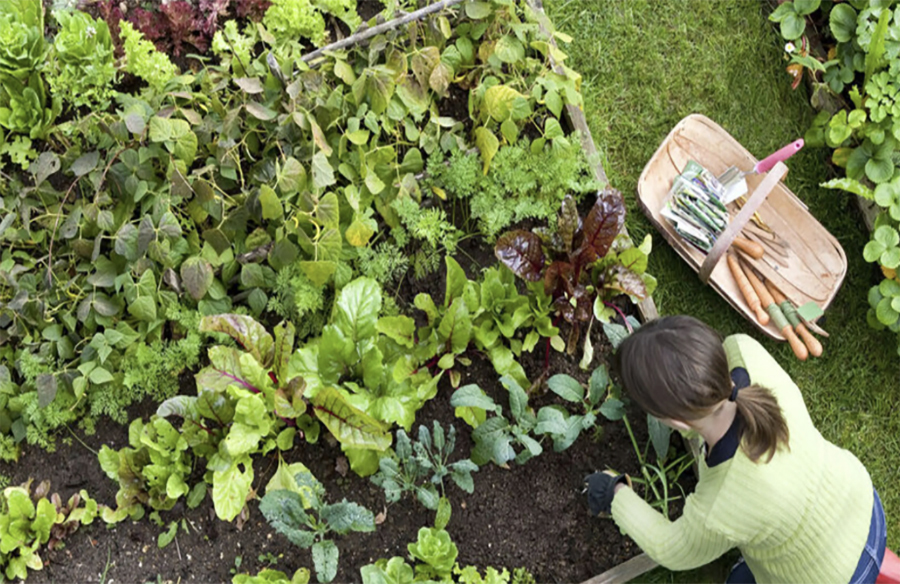
3. Gardening and working with living systems
Architecture often operates on long timelines, abstract models, and delayed results. Gardening offers a contrasting experience. Growth is visible. Progress is tangible. The feedback is natural rather than verbal.
Working with soil, plants, and weather grounds architects in physical reality. It encourages patience and acceptance, since living systems do not respond to control in the same way materials do. This shift can be deeply therapeutic for those accustomed to managing complex constraints.
Gardening also reconnects architects with cycles of growth and rest. It reinforces the idea that value exists even when nothing appears productive. For many, time spent tending plants becomes a quiet reminder that not everything needs to be optimized to matter.
4. Ceramics and clay work for tactile release
Clay work offers something architecture rarely does. Direct contact with material without layers of software, drawings, or approvals. Hands shape form immediately, responding to resistance, texture, and weight.
Ceramics invite imperfection. Cracks happen. Forms collapse. Glazes behave unpredictably. For architects who carry perfectionist tendencies, this unpredictability can feel freeing rather than frustrating when approached as a hobby.
The physical engagement of clay also helps release tension stored in the body. Many architects hold stress in their shoulders and hands. Working with clay gently loosens those areas while offering creative satisfaction that is personal rather than professional.
5. Walking as mindful spatial awareness
Walking might seem too simple to qualify as a hobby, but for architects it can become a powerful wellness practice when done with intention. Mindful walking shifts attention away from deadlines and toward sensory experience.
Observing light, shadow, proportion, and movement during a walk reconnects architects with space in a non evaluative way. There is no need to analyze or document. The body moves while the mind absorbs.
Regular walking also supports physical health after long hours of sitting. More importantly, it creates mental transitions between work and rest. Over time, walking becomes a daily reset that helps architects carry less tension into their evenings.
6. Cooking without precision or performance
Cooking professionally or precisely can resemble architectural work too closely. Cooking as a wellness hobby is different. It emphasizes intuition, taste, and enjoyment rather than measurement or presentation.
Letting go of exact recipes allows architects to practice flexibility. Adjusting flavors by instinct and accepting unexpected outcomes builds comfort with uncertainty. This contrasts sharply with the control demanded at work.
Cooking also engages the senses fully. Smell, texture, sound, and taste anchor attention in the present moment. Shared meals add emotional nourishment, reminding architects that creativity can be nurturing rather than demanding.
7. Photography for personal seeing
Photography appeals naturally to architects, but it becomes a wellness hobby only when detached from documentation or comparison. Personal photography focuses on moments that feel meaningful rather than impressive.
Using a camera to capture light, texture, or everyday scenes slows perception. It trains attention on beauty without expectation. Reviewing photos later often reveals patterns of calm and curiosity rather than performance.
For stressed architects, photography becomes a way to see the world again without framing it as a problem to solve. It restores a sense of wonder that professional pressure can quietly erode.
8. Gentle movement practices like yoga or stretching
Long hours at a desk take a toll on the body, but stress often hides in subtle physical patterns. Tight breathing, clenched jaws, and rigid posture become normal. Gentle movement helps interrupt those patterns.
Practices like yoga, stretching, or mobility work emphasize awareness rather than achievement. They invite architects to notice tension instead of ignoring it. Over time, this awareness carries into daily life, making stress easier to recognize and release.
Movement also supports mental health by regulating the nervous system. Even short sessions can improve sleep and emotional resilience. For architects, caring for the body becomes an extension of caring for the mind.
Designing calm into daily life
Wellness hobbies do not need to be impressive, optimized, or shared. Their value lies in what they give back quietly. For architects, the most healing activities often resemble familiar creative processes but remove judgment, urgency, and consequence.
Designing calm is not about escaping architecture. It is about supporting the person who practices it. By making space for restorative hobbies, architects protect their creativity, health, and long term connection to the work they once loved deeply.