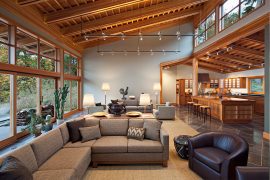
Renovating a home rarely goes the way people imagine at the start. A simple kitchen refresh turns into a full layout rethink, a garden tidy-up becomes a landscaping project, and suddenly the budget spreadsheet looks nothing like it did in week one. Yet homeowners who plan carefully, prioritise function over trend, and stay flexible tend to end up with spaces that feel considered rather than rushed.
This article looks at how architecture, interior design, and outdoor spaces work together to create a home that feels complete — and where small, smart decisions matter more than big spending.
Why Layout Should Come Before Style
Before choosing paint colours or furniture, it helps to understand how a space is actually used. Architects and interior designers consistently point out that flow matters more than finish.
A well-planned layout reduces wasted movement, improves natural light, and makes rooms feel larger without adding a single square foot. Homeowners who start with layout tend to spend less later, because they avoid costly re-dos.
Key questions worth asking before any renovation:
- How does natural light move through the space across the day?
- Which rooms are used most, and does their size reflect that?
- Are there awkward transitions between indoor and outdoor areas?
- Does storage exist where it’s actually needed, not just where it fits?
The Kitchen: Still the Heart of the Home
Kitchens remain the most renovated room in most houses, and for good reason. They’re functional, social, and often the first thing guests notice.
Practical Upgrades That Age Well
Trends shift quickly, but a few kitchen choices consistently hold their value:
- Durable countertop materials that resist heat and staining
- Cabinet hardware that’s easy to replace without redoing the whole kitchen
- Task lighting placed over work zones, not just decorative pendants
- Ventilation that’s sized correctly for the cooking style of the household
Small, functional changes like swapping outdated fixtures or reorganising storage — often deliver more day-to-day satisfaction than a full teardown.
Interior Design: Comfort Over Perfection
Good interior design isn’t about matching every cushion to the sofa. It’s about creating rooms people actually want to spend time in.
Layering textures, mixing old furniture with new pieces, and leaving room for personal objects tends to create warmth that showroom-perfect interiors often lack. Designers frequently advise clients to live in a space for a few weeks before making final furniture decisions, since real use reveals what a mood board can’t.
Furniture choices matter too. Pieces that serve more than one purpose — a bench with storage, a table that extends for guests are particularly valuable in smaller homes where every square metre counts.
Garden and Landscape: The Often-Forgotten Room
Outdoor space is frequently the last area homeowners think about, yet it can add real value and daily enjoyment. A garden doesn’t need to be elaborate to work well; it needs to suit how the household actually spends time outside.
Simple landscaping choices — defined seating areas, low-maintenance planting, and clear pathways — tend to outperform high-maintenance designs that look impressive for a season and then become a chore.
Urban Design and the Bigger Picture
For those in cities and towns, individual home renovations sit within a larger context. Good urban design influences everything from how much natural light reaches a property to how walkable a neighbourhood feels.
Homeowners renovating in dense areas often benefit from thinking beyond their own boundary lines — considering how their changes interact with shared walls, sightlines, and street-level appearance.
When Renovation Budgets Get Creative
Not every renovation is funded purely through savings. Some homeowners set aside prize winnings from free competitions toward a specific project, whether that’s new kitchen worktops or a garden redesign. Others have used winnings from instant win competitions to cover unexpected costs that inevitably come up mid-project, like plumbing surprises or structural adjustments. These aren’t reliable renovation strategies, but they’re a genuine part of how some people top up their plans.
Renovation Approaches Compared
| Approach | Best For | Typical Cost | Time Investment |
|---|---|---|---|
| Full structural renovation | Layout problems, poor flow | High | Months |
| Kitchen or bathroom refresh | Outdated fixtures, function issues | Medium | Weeks |
| Furniture and styling update | Tired-looking rooms, rentals | Low | Days |
| Garden and landscaping overhaul | Unused outdoor space | Medium | Weeks |
| DIY cosmetic changes | Paint, hardware, small fixes | Low | Days |
Frequently Asked Questions
Should I renovate the kitchen or bathroom first?
Most professionals recommend starting with whichever room affects daily life most. For many households, that’s the kitchen, since it’s used multiple times a day.
Is it worth hiring an architect for a small renovation?
For layout changes or structural work, yes. For cosmetic updates like furniture or paint, an interior designer or even careful DIY planning is often sufficient.
How do I avoid overspending on interior design?
Set a firm budget per room before shopping, prioritise function-first purchases, and resist buying decorative items until the essentials are sorted.
Does garden design really add home value?
Well-maintained, sensibly designed outdoor space is consistently cited by estate agents as a factor buyers notice, particularly in properties with limited indoor square footage.
Final Thoughts
A home that feels genuinely finished isn’t necessarily the most expensive one. It’s the one where layout, function, and personal taste have been balanced with patience. Whether the budget comes from careful saving, a renovation loan, or a lucky win from instant win competitions, the same principle applies: thoughtful decisions, made one room at a time, tend to outlast any passing trend.