I recently watched a client run her hand along a lever set during a final walkthrough and say, “This is the first thing that actually felt expensive.”
She wasn’t talking about the marble slab or the custom range hood. She meant the hardware on a bedroom opening.
That reaction points to a blind spot in luxury interiors. Openings and hardware shape how a home looks, sounds, and moves. The right assembly makes rooms quieter, circulation easier, and touch points satisfying. The wrong one leaves a punch list that never quite ends.
Studios usually spend months on casework, stone, and lighting, then push openings and hardware late into design development. By then, swings, clearances, finishes, and lead times have already boxed in the design.
Flip that order. Choose assemblies by use case, set clear performance targets, and coordinate sourcing early. Clients feel that work every time they cross a threshold.
Defining Architectural Openings in Residential Interior Design
Treat every opening as a full assembly, not a slab and a lever selected at the end.
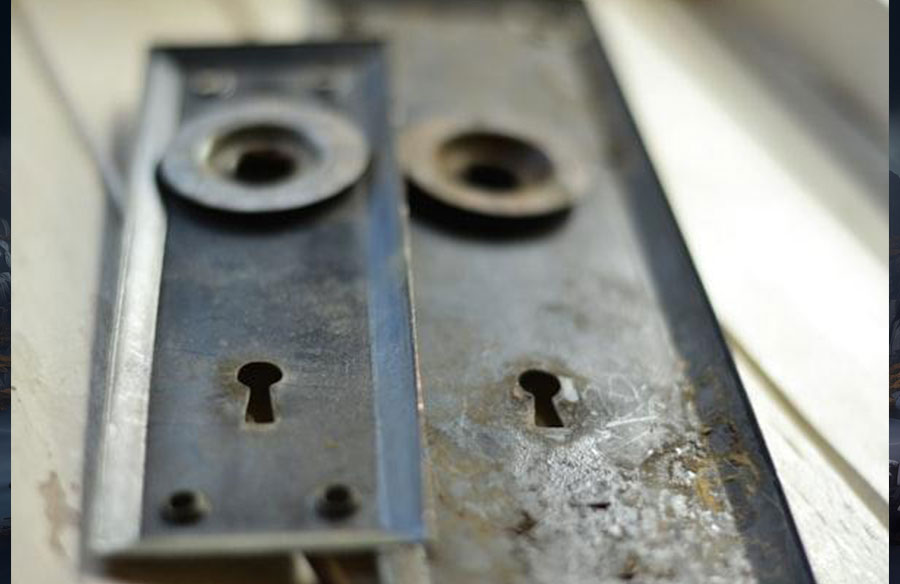
Openings are the controlled edges between spaces. They include swing, pocket, exposed slider, folding, pivot, and glazed systems. Hardware, from levers and locks to hinges, closers, and seals, turns design intent into daily use.
Define them as a system. A complete assembly includes slab type and core, frame construction, hinge or track type, latch and lock function, perimeter seals, thresholds, and control logic. A pocket unit also depends on stud kit depth, stop details, and track access for service.
The sequence matters. Set sightlines first, then motion, then performance targets for sound and accessibility, then materials and finish. That order limits late revisions that weaken a luxury program.
Why Openings and Hardware Set the Luxury Feel
Luxury shows up in sound control, touch, and long-term performance.
These layers are measurable, and they separate a polished home from one that only looks expensive in photos.
1. Silence and Separation on Demand
Mass, seals, and strike choice drive privacy. A representative hollow-core interior slab rates around STC 25, while a solid-core slab reaches STC 30. Add perimeter gaskets and an automatic drop seal, and you close the gaps that leak speech, light, and conditioned air.
2. Tactility and Ritual
Luxury registers through the hand before it shows up in a photograph. Weighted levers, balanced backplates, and soft-close pivot hardware make movement feel calm instead of flimsy. Because hardware is touched dozens of times a day, small upgrades are noticed more than another slab of stone.
3. Longevity and Wellness
A finish that pits or chalks in one season can cheapen the whole room. BHMA A156.18 testing covers corrosion, UV, humidity, and perspiration, which matters in coastal or high-UV markets. In high-touch zones, EPA-registered antimicrobial copper alloys can claim greater than 99.9 percent bacteria reduction within two hours when cleaned regularly.
Inspiration and Benchmarks
Good references show how hardware can support the architecture instead of competing with it.
For a boutique studio reference, study how openings and tactile hardware support mountain-modern materiality across complete rooms, circulation paths, and private retreats rather than isolated product shots, and use those relationships to refine your own detailing priorities alongside stone, millwork, lighting, and view-framing decisions in context before reviewing the portfolio of Ali & Shea Design. That kind of study sharpens specification instincts and helps hardware feel integrated, not ornamental.
When reviewing inspiration, look for aligned sightlines, concealed hinges where appropriate, quiet-latch sets in serene primary suites, and corrosion-resistant finishes in coastal palettes. The 2025 U.S. Houzz and Home Study also shows steady homeowner interest in security and smart technology upgrades, so performance-minded hardware is a visible value, not a hidden line item.
Where It Matters Most: A Space-by-Space Playbook
The best assembly changes from room to room because privacy, moisture, and traffic do too.
Use the room’s job to pick the slab, seal, motion type, and hardware function.
Entry and gallery. Control first impressions with aligned sightlines, a weighty lever, and a quiet latch. If the opening is exterior, coordinate multi-point locks, weather seals, and the finish family with nearby interior hardware for continuity.
Primary suite. Use solid-core slabs with perimeter seals for the bedroom and water closet. Specify a privacy function that can be released in an emergency, and place stops and robe hooks so stone and millwork stay protected.
Home office. Start with a solid-core slab, seals, and an automatic drop at the bottom. Keep the undercut tight, and preserve latch-side space for wheelchair users, rolling task chairs, and bags.
Kitchen and pantry. A pocket unit can save valuable clearance near islands and traffic lanes. Verify handle projection, soft-close settings, and trim thickness so the opening does not fight adjacent casework.
Media room. Treat it like a small theater. A sealed swing assembly with an upgraded core, light seals, and a quiet latch limits sound spill and keeps hall light off the screen.
Bath and wellness rooms. Use humidity-resistant hardware, emergency-release privacy functions, and antimicrobial touch metals in high-use powder rooms. At conditioned-to-unconditioned glazed thresholds, apply the same U-factor, solar heat gain coefficient, and visible transmittance thinking used for National Fenestration Rating Council labeled exterior glazing.
 Specification Playbook: Sourcing and Scheduling
Early coordination keeps a strong spec from failing in procurement.
Start with an opening narrative, one short paragraph per zone covering sightlines, privacy, traffic, and tactile goals. Next, freeze motion profiles early by choosing swing, slide, or pivot with dimensioned clearances that include generous approach space, even in private homes.
Then set performance targets, STC goals, clear widths, finish durability by environment, safety transitions by code section, and smart access logic. Draft the hardware schedule with set types, function numbers, handing, backset, latch and strike type, seals, thresholds, and smart components. This is also the moment to confirm handing against furniture layouts and art walls.
Last, coordinate trades. Electrical handles power and strikes, security handles modes, millwork handles backing and backplates, glazing handles sightlines, and flooring handles threshold build-ups. Prototype one high-touch set on site before bulk ordering. For U.S. studios that want a centralized, trade-friendly source to consolidate SKUs, a single hardware-ordering source can simplify luxury residential packages and reduce procurement errors. Add finish submittal approvals, long-lead tracking, and spare parts to the handover kit.
What to Specify for Lasting Performance
Clear performance targets turn a good-looking opening into one that works well for years.
Once acoustics, access, finishes, and code requirements are defined, procurement gets easier to manage across large residential packages and less vulnerable to avoidable substitutions. For teams coordinating multiple opening types, handed sets, finish codes, hinges, locks, levers, seals, and trim details in one place, a centralized trade-friendly source can reduce ordering errors, which is why some spec writers review doors for pros before finalizing the buy.
I group residential specs into five categories.
Acoustics. For bedrooms and offices, specify solid-core slabs, perimeter compression gaskets, automatic drop seals, and quiet or magnetic latches. Ask for lab reports using ASTM E90 and E413 methods even from residential-line manufacturers. Do not expect exposed sliders or barn styles to deliver privacy. They leak air and sound by design.
Accessibility and aging in place. For clear width, ADA 404.2.3 sets a minimum 32-inch opening, and a 36-inch nominal slab usually makes that easier. Protect latch-side maneuvering space, 18 inches by 60 inches on the pull side and 12 inches by 48 inches on the push side when a closer and latch are present. Operable parts should work with one hand, without tight grasping, pinching, or twisting, and sit 34 to 48 inches above finished floor.
Security and smart access. Plan power routes and strikes early. Coordinate low-voltage work, hub location, and Wi-Fi or Bluetooth Low Energy coverage with the security consultant. Choose fail-secure or fail-safe by location, then document night, travel, and service modes in the hardware schedule.
Materials and finishes. Use consistent industry finish codes, such as 613 or 619, to control color match across sets. In coastal or pool-adjacent zones, consider physical vapor deposition, or PVD, on stainless or brass. Softer sheens hide fingerprints and daily wear better than mirror-polished surfaces.
Safety transitions. Where the IRC applies, IRC R302.5.1 requires the garage-to-house opening to be protected by a solid wood slab not less than 1-3/8 inches thick, a solid or honeycomb-core steel slab of the same thickness, or a 20-minute fire-rated assembly. Add smoke and weather seals and a self-closing device if locally required.
| Opening Type | Best Use | Privacy | Sightline Control | Notes
|
|---|---|---|---|---|
| Swing + auto bottom seal | Bedrooms, offices | High | Full | Best acoustic performance |
| Pocket + gasket kit | Pantry, closet | Medium | Full when closed | Saves swing clearance |
| Barn slider | Decorative partition | Low | Partial | Sound and light leakage |
| Pivot + floor closer | Entry, gallery | Medium | Full | Dramatic statement piece |
| Folding system | Indoor-outdoor living | Low | Variable | Coordinate drainage at sill |
 Make the System Work
Design openings early, and the whole house will feel calmer and more resolved.
Do not treat hardware as a late add-on. Openings and hardware are the most touched and most heard finishes in a home.
Specify by performance, coordinate early, and measure results after occupancy. Can the client take a call in the office while a film plays nearby? Does any lever need two hands or too much force? Has any finish corroded or worn beyond the intended patina? Track punch-list items by set, log rework costs, and use that record to build a studio standards kit that gets quieter, safer, and easier to live with on every project.
FAQ
These answers cover the questions clients and contractors ask most.
What Assemblies Improve Speech Privacy for Bedrooms and Offices?
Start with a solid-core slab, perimeter compression gaskets, and an automatic drop seal. Add a quiet-latch or magnetic latch to cut click noise, and keep the undercut tight. For most homes, aim for a complete assembly around STC 30 when speech privacy matters.
How Wide Should Openings Be in Luxury Homes?
A 36-inch nominal slab usually gives comfortable clearance and helps exceed the 32-inch minimum clear opening target. That extra width also supports aging in place, furniture moves, and easier daily circulation.
Should You Choose Levers or Knobs?
Levers usually win. They meet the one-hand, no-twist operating principle and are easier for guests, children, and aging users. Specify lever returns where robes or sleeves could snag.
What Finishes Last in Coastal or Pool-Adjacent Spaces?
Favor BHMA A156.18-tested finishes and PVD coatings over clear-lacquered brass. Keep finish codes consistent across sets, and include basic cleaning and maintenance instructions in the handover file.
How Should You Plan for Smart Access?
Set operating modes first, night, travel, service, and guest access. Then coordinate strikes, power routes, hub location, and network strength with the security consultant. Always provide keyed override and battery backup, and record every device in the hardware schedule.
What About the Opening Between the Garage and the House?
Where the IRC applies, protect the garage-to-house opening with a code-listed assembly such as a 20-minute rated unit or compliant solid wood or steel. Add smoke and weather seals, plus a self-closing and latching device when local rules require it. Verify local amendments before final sign-off.